
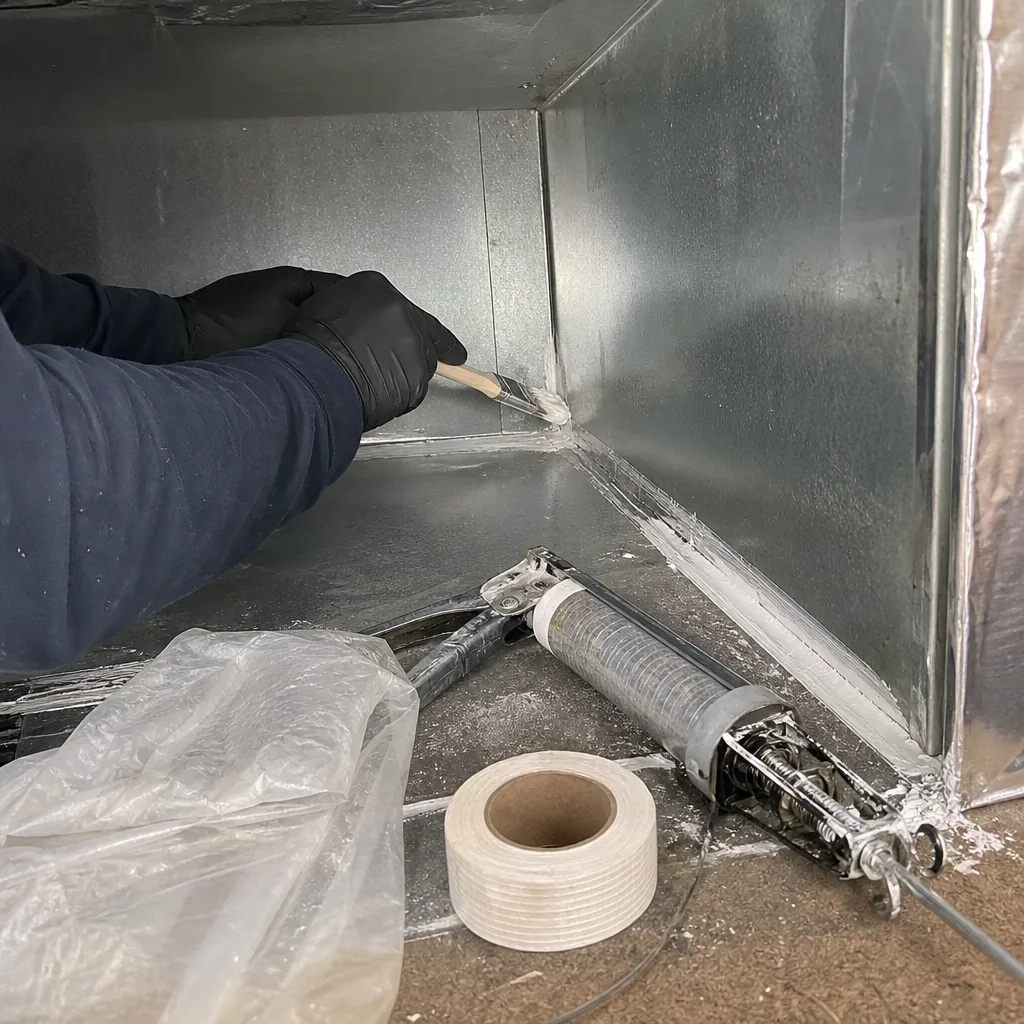
Last updated November 25, 2026
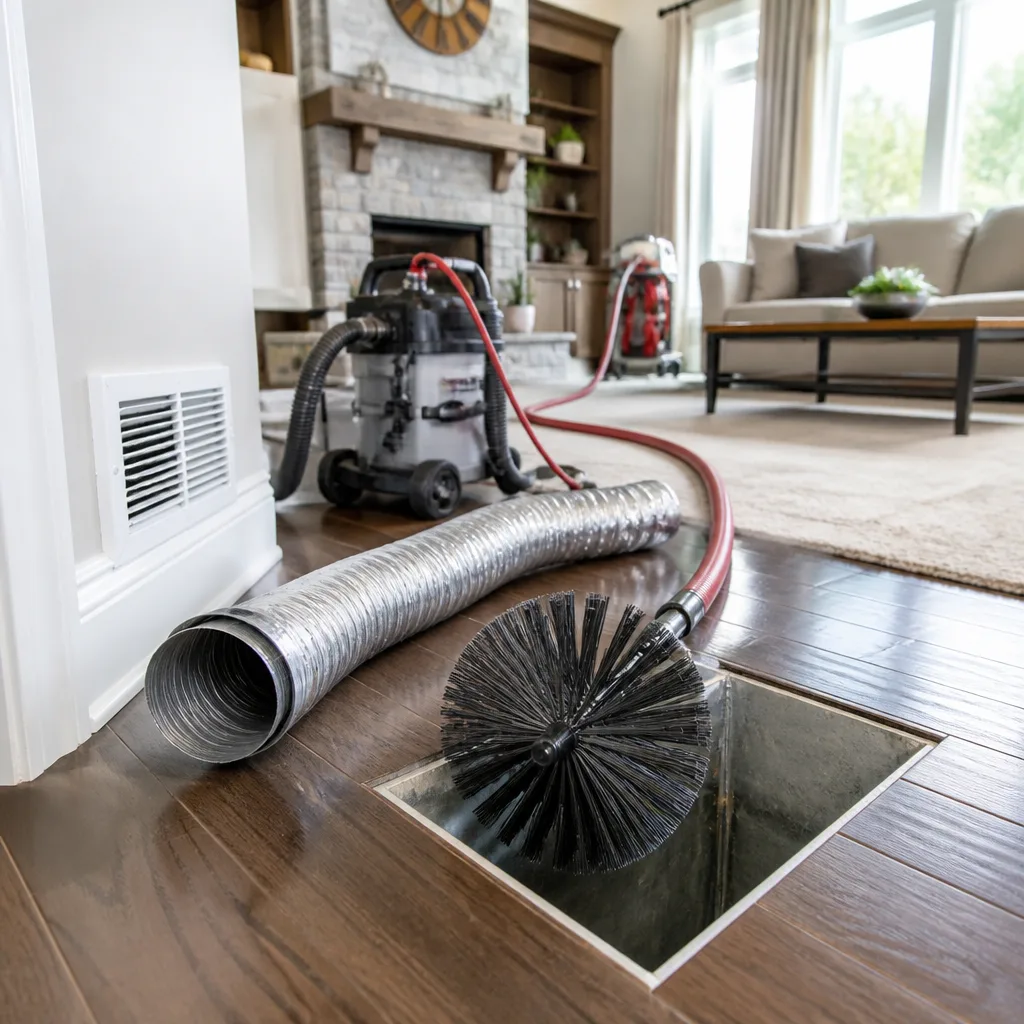 Whole-home duct cleaning
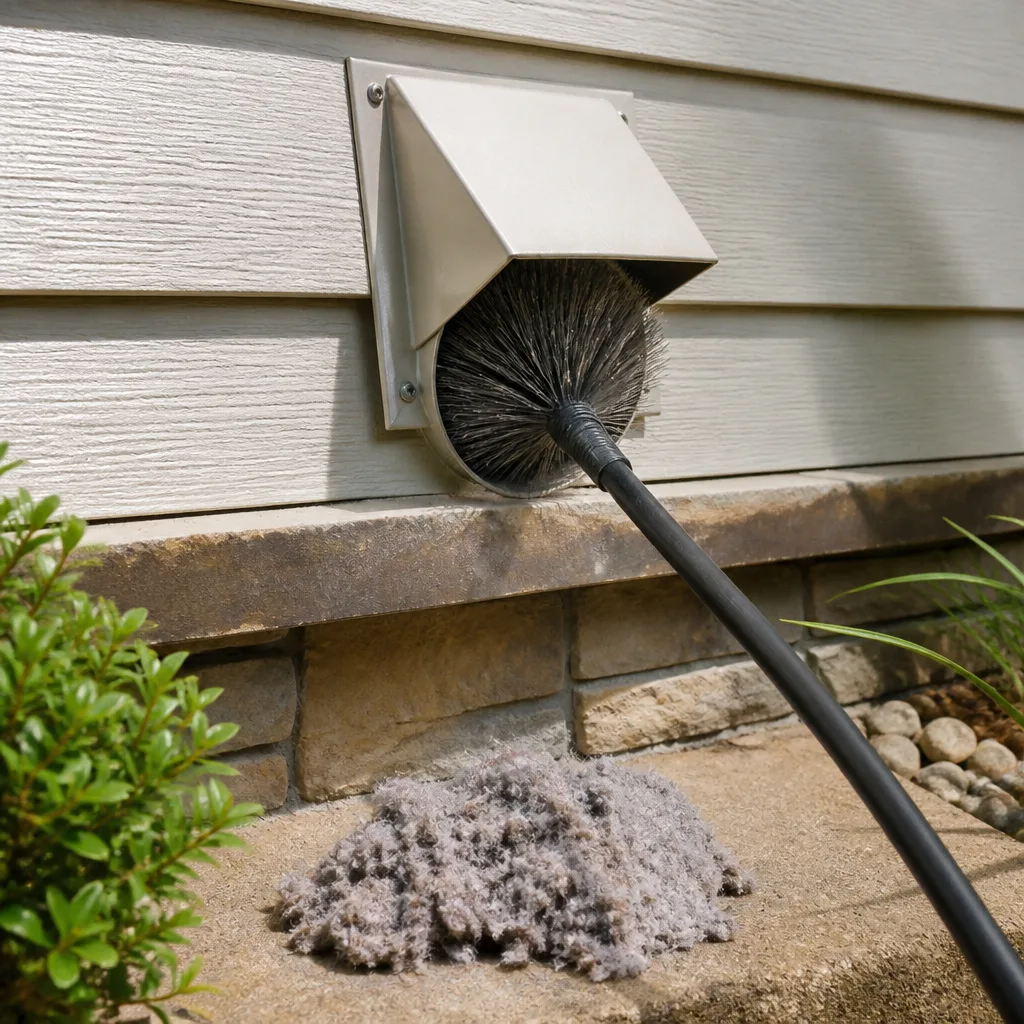 Dryer vent cleaning
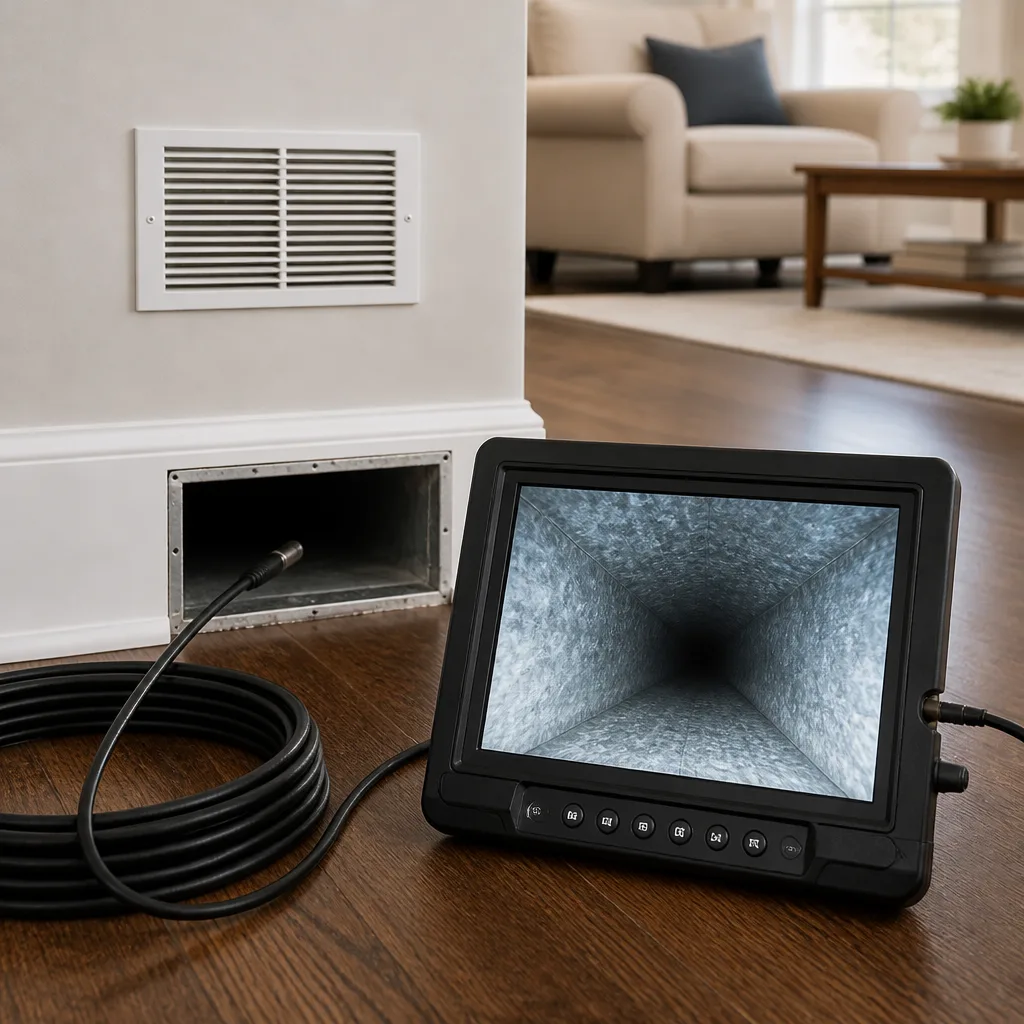 Camera inspection
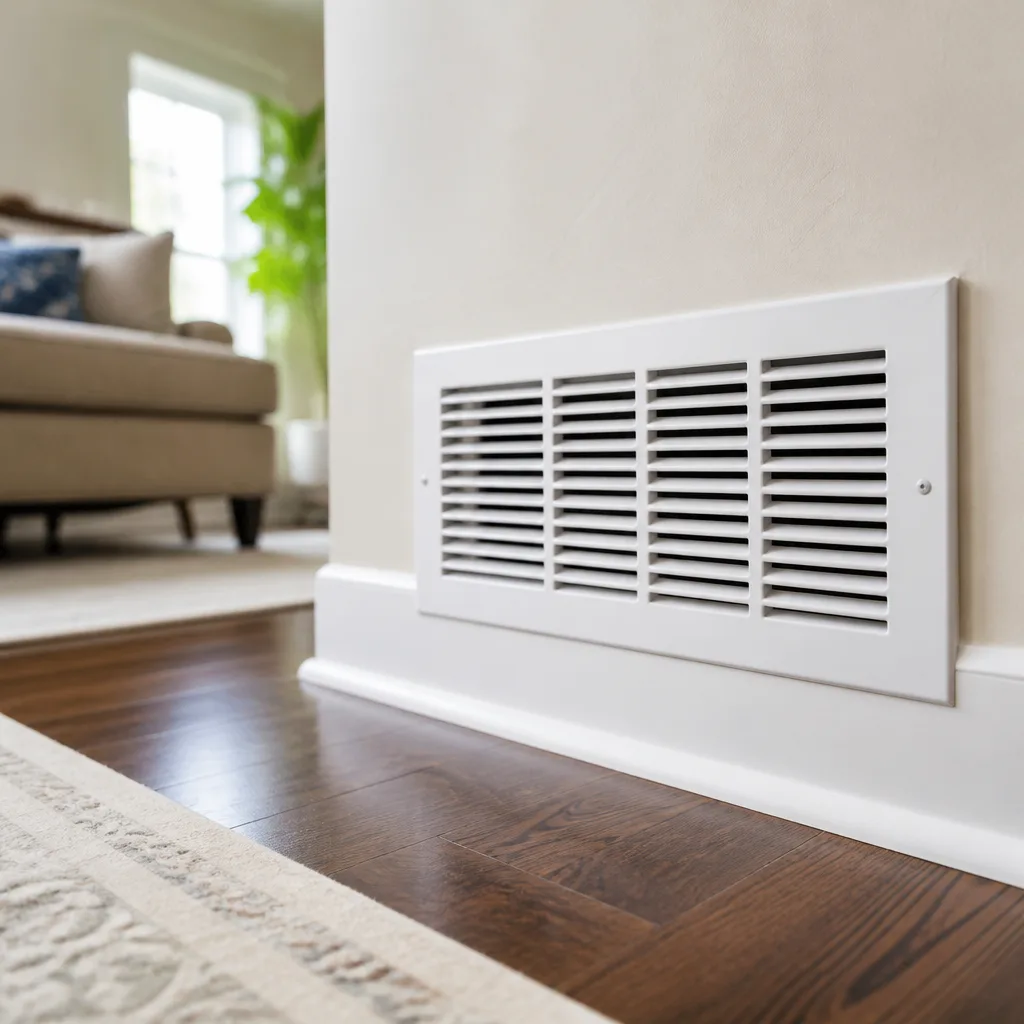 Sanitizing & deodorizing
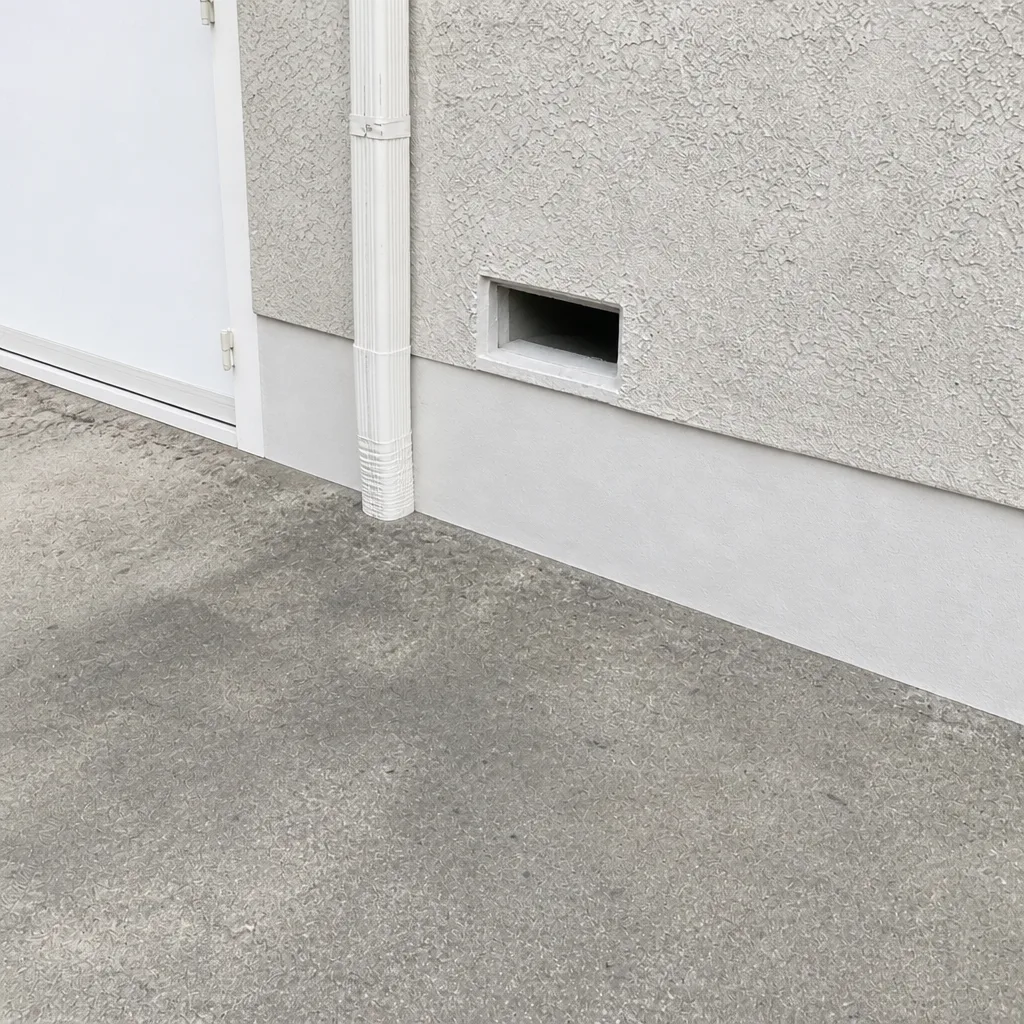
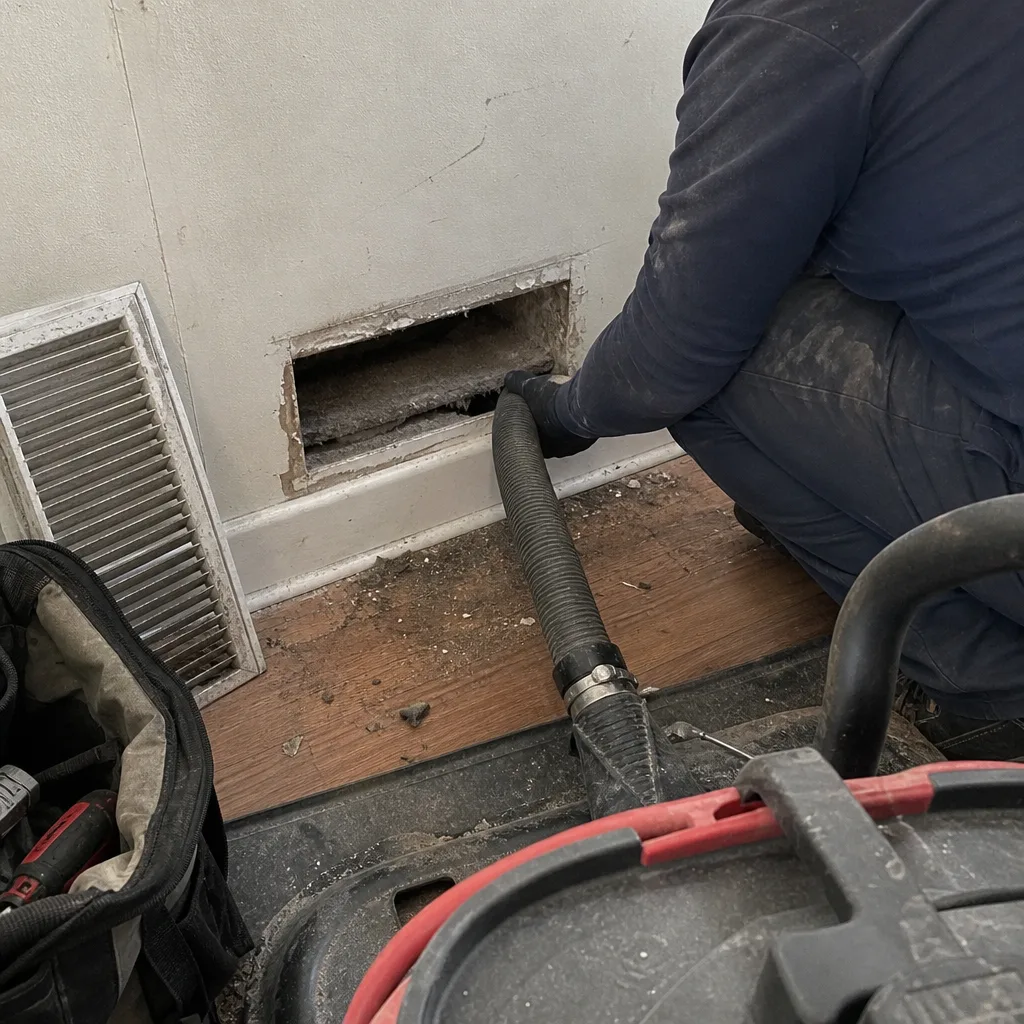
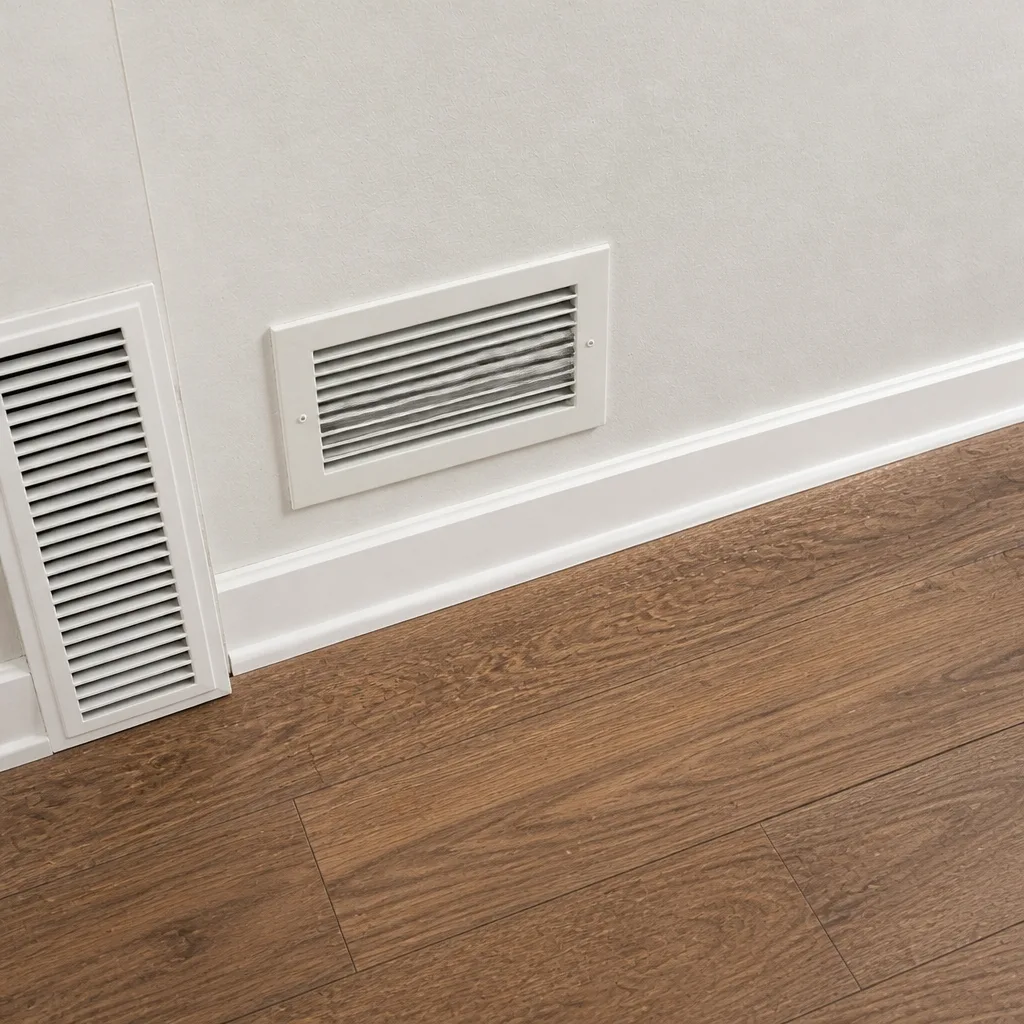
Whole-system duct and dryer vent check with before-and-after photos - you see exactly what came out of your vents
That "$99 whole-house special" is a bait ad - the real number appears once they are in your hallway, or the "clean" is a shop-vac at the register. We photograph the inside of your ducts before and after instead.
Air Duct Cleaning Permits, Codes & Inspections in Anaheim Colony, CA: What You Need to Know
Most homeowners assume cleaning ducts is a no-permit errand. Then a contractor offers to “seal a few leaks while we’re in there” and the job quietly changes category. In California, straight cleaning and maintenance of your duct system doesn’t need a building permit. But the moment a contractor cuts out, replaces, or reseals duct sections, the work can cross into regulated territory under the California Mechanical Code and, in many cases, Title 24 energy requirements. That line matters more than people realize, and it matters going into a resale or an insurance claim. This guide explains where the line sits in Anaheim Colony, how Orange County inspection works, and what paperwork to ask for before anyone touches your ductwork.
Quick Answer
Routine air duct cleaning in Anaheim Colony does not require a building permit. Duct repair, replacement, or resealing of significant sections usually does, because it’s treated as an alteration to the mechanical system under the California Mechanical Code and can trigger Title 24 duct leakage documentation. The practical rule: ask the contractor which category your job falls into before work begins, and request a copy of any permit pull if a repair is involved.
Styles & brands we work with
- Whole-home duct cleaning
- Dryer vent cleaning
- Camera inspection
- Sanitizing & deodorizing
Table of Contents
- Cleaning vs. Repair: Where California Draws the Line
- Anaheim Permit Thresholds for Residential Duct Work
- Title 24 Duct Leakage Rules and the 40-Foot Threshold
- What a HERS Test Actually Checks
- Documentation to Request From Any Contractor
- How Unpermitted Duct Work Surfaces at Resale and Insurance
- Why Anaheim Colony Homes Ask More of Their Ducts
- How to Choose a Contractor Who Understands the Code
Cleaning vs. Repair: Where California Draws the Line
The California Mechanical Code treats ductwork as part of the mechanical system it serves. Cleaning that system – agitation, negative-pressure extraction, sanitizing – is maintenance. Repairing it is construction. The two carry different permit obligations, and the confusion usually starts when a contractor blurs them into one visit.
Here’s how to tell which project you actually have:
- Cleaning only. Debris removal, sanitizing application, register and grille cleaning, air handler coil cleaning. No permit. This is the standard air duct cleaning scope.
- Repair. Patching holes, reconnecting separated joints, replacing crushed flex runs, resealing at the plenum or trunk. Often needs a permit under the mechanical code.
- Replacement. Removing and installing new duct sections, running new trunk line, rerouting branch runs. Permit required in most cases and, depending on scope, Title 24 documentation.
- Sealing with mastic or approved tape on the existing sealed system. If you’re resealing a small joint as part of a cleaning, that’s typically maintenance. Resealing measurable lengths of duct is an alteration.
The key question isn’t “am I getting my ducts cleaned?” It’s “is the system being altered?” If the answer is yes, the project is code-regulated whether or not the invoice says “cleaning.” In our experience, homeowners in Anaheim Colony are surprised most often by the sealing category, because sealing sounds like maintenance to anyone who hasn’t read the code. It isn’t always.
Anaheim Permit Thresholds for Residential Duct Work
The City of Anaheim’s Building Division issues mechanical permits for duct alterations in residential properties. The threshold isn’t measured in dollars or in linear feet alone. It’s measured by whether the work changes the mechanical system – new duct runs, replacement of rigid trunk sections, or repairs that affect system performance and energy compliance.
What that looks like in practice:
- Purely cosmetic or minor joint repairs. Small fixes that don’t change pressure balance or airflow typically fall under maintenance. Confirm with the building department before assuming.
- Replacement of a full flex run or rigid section. Mechanical permit required. Title 24 documentation likely when the replacement is measurable.
- Trunk line alteration or reroute. Mechanical permit required. Sealing requirements apply.
- Adding or capping registers. Permit required, because airflow distribution changes.
Anaheim falls under the California Building Standards Code as adopted locally, and the Building Division applies it consistently. Whenever you’re unsure where your job lands, call the department directly and describe the work in plain language: “one flex run from the trunk to the bedroom register, replacing the run because it’s torn.” That specific description gets you a specific answer. Vague descriptions get vague answers.
One thing we tell every Anaheim Colony homeowner we visit: get the permit question answered before the estimate is signed, not after. Retroactive permitting is possible but adds time and cost.
Title 24 Duct Leakage Rules and the 40-Foot Threshold
California’s Title 24 energy code sets duct leakage limits for altered systems. The specific threshold homeowners need to know: when more than 40 linear feet of duct is replaced or resealed, the system is subject to duct leakage verification under Title 24. That’s where the HERS test enters the picture.
What that means in plain terms:
- Small repairs under the 40-foot mark often don’t trigger a HERS test.
- Large-scale reseal or replacement jobs do, and the test result is part of the compliance documentation for the home.
- The result isn’t just paper for the contractor. It becomes part of your home’s document trail, which matters later.
Why this trips people up in Anaheim Colony is because duct repair is often quoted as an add-on to a cleaning. A homeowner books standard HVAC cleaning, hears that three branch runs have failed, approves the repair on the spot, and never learns the job crossed into Title 24 territory until they’re selling the house. The repair itself might be fine. The missing documentation is the problem.
Before approving any bulk duct repair, ask two questions: how many linear feet are involved, and does this trigger a HERS test? Any contractor working in California regularly should answer both immediately.
What a HERS Test Actually Checks
HERS stands for Home Energy Rating System. It’s a third-party verification network recognized in California for checking that installed systems actually meet the energy code – not just that the contractor says they do.
A HERS duct leakage test measures how much air escapes the system under pressure. Technicians seal the registers and pressurize the ductwork, then measure leakage. Results go into a report that becomes part of your home’s compliance file.
Three things homeowners should know about the process:
- The HERS rater is independent. They don’t work for the installing contractor. That’s by design; the whole point is third-party verification.
- The test isn’t optional when it’s triggered. If the alteration exceeds the Title 24 threshold, the test is part of the permit compliance.
- You should receive the result. Ask for a copy of the HERS report when the work is complete. If the contractor can’t produce one for a job large enough to require it, that’s a signal the paperwork trail isn’t what it should be.
Leaky ducts that go unrepaired waste energy and re-contaminate a cleaned system, which is exactly why we pair cleaning with air duct cleaning in Anaheim Colony using equipment like Rotobrush for agitation and Abatement Technologies filtration for HEPA-level containment. A cleaned system stays clean only if the ductwork holds.
Documentation to Request From Any Contractor
When a contractor quotes duct repair, the paperwork you ask for protects you more than the contractor. Here’s what to gather before signing:
- Contractor license number in writing on the estimate. Verify it through the Contractors State License Board.
- Written scope of work that names the specific sections being repaired or replaced, with linear footage where applicable.
- Permit pull copy if a permit is being pulled. Ask for the permit number and the inspection schedule.
- Certificate of insurance for general liability, plus workers’ compensation if they have employees on site.
- HERS rater information if the job triggers Title 24 duct leakage verification.
- Before-and-after photos of your actual ductwork, not stock images. This is standard on any professional job.
- Sanitizing product documentation if sanitizing is part of the scope – the name of the product and its EPA registration where applicable.
One more: ask the contractor to hand you a copy of the permit pull at the end of the job, not just at the start. If the permit was opened, the final inspection sign-off matters. That sign-off is what makes the work legally complete in the eyes of the city and, later, a buyer’s inspector. Our technicians have up to 9 years of experience, and in that time we’ve seen too many homeowners discover a missing final inspection years after the work was done. Paperwork isn’t the exciting part of duct work, but it’s the part that follows the house for a long time.
How Unpermitted Duct Work Surfaces at Resale and Insurance
California real estate disclosures include a seller’s obligation to disclose known material facts about the property, including unpermitted work. Most duct repairs never show up during escrow – until something else causes the buyer’s inspector to look inside the attic or crawlspace and start asking questions.
The patterns we see when contractor paperwork is missing:
- Buyer’s inspector finds fresh duct tape on a repaired run and asks when the work was done. No permit, no final inspection, no paper trail.
- Insurer requests proof of code-compliant repair after a water intrusion or smoke claim that involved the HVAC system. Without documentation, coverage questions arise.
- Title 24 compliance file shows a gap when the buyer’s energy consultant reviews the home’s file and finds an alteration with no HERS report.
- Seller submits a disclosure listing duct work as “unknown permit status.” That language tends to slow escrow.
The repair itself may have been solid work. The missing documentation is what creates the problem. Preventing that in Anaheim Colony is straightforward: for any duct job beyond basic cleaning, ask the contractor for the permit number and the final inspection sign-off. If they can produce both, you’re covered. If they deflect, that itself is the answer.
Why Anaheim Colony Homes Ask More of Their Ducts
Anaheim Colony encompasses a range of housing types – older mid-century single-family homes, newer infill construction, and multifamily properties – and each stock has its own duct-age issues.
The mild inland climate of Anaheim Colony means the AC runs hard through long warm stretches while the heater gets shorter seasonal duty. That imbalance accelerates wear on supply runs more than return runs, and it’s common to find the supply trunk showing more joint separation than the return line.
Two things older Anaheim Colony homes tend to have in common:
- Original rigid ductwork with taped joints that have aged past their seal life. Retaping is one repair; properly resealing under Title 24 is another, and the two are documented very differently.
- Air handler closets in tight interior spaces, which makes physical access harder and can push contractors toward quick-fix repairs that don’t get permitted. Question those.
Newer Anaheim Colony construction tends to be sealed more tightly under current code, which is good news for the system but means any future alteration needs to preserve the original compliance standards. A poorly documented repair on a newer home can undo some of the energy compliance that went into the build.
We handle dryer vent cleaning in many Anaheim Colony homes as well, and the paperwork principle carries over: the work is straightforward, the record of it matters.
How to Choose a Contractor Who Understands the Code
Most duct cleaners know cleaning. Fewer understand where cleaning ends and regulated alteration begins. Choosing well starts with asking the right questions before the visit.
Ask these during the estimate call:
- “Under the California Mechanical Code, is this job cleaning or alteration?” A proper answer separates the two clearly. If they treat every job as “cleaning,” they may not be watching the line.
- “Does this trigger Title 24 duct leakage testing?” They should ask how many linear feet you’re replacing or resealing before answering.
- “Which equipment will you bring?” Professional-grade systems like Rotobrush for agitation and Abatement Technologies filtration for HEPA containment separate serious operators from rental-grade setups.
- “Do you offer repair and sealing, or just cleaning?” Cleaning-only contractors have no incentive to flag a repair problem. We repair what we find, not just report it.
- “Can I see before-and-after photos of my own ducts after the work?” Yes is the only acceptable answer.
- “Who sanitizes, and with what?” Guardsman-grade sanitizing protocols matter if the system has microbial issues or persistent odors.
For filtration upgrades or whole-home air quality work that goes beyond a basic sweep, operators who carry Honeywell and Aprilaire product lines can match the system to the home. Working with Air Duct Cleaning Anaheim Colony means the diagnosis through remedy – cleaning, sealing, sanitizing, filtration – happens in one pass, without handoff gaps.
Common Mistakes to Avoid
- Approving a duct repair without asking whether it needs a permit. It’s easy to say yes when the technician is already up in the attic. Slow down and ask before signing, because the paperwork trail lives with your home, not the contractor’s office.
- Accepting “we don’t need a permit for cleaning.” True, but that answer is often given to questions about repair work disguised as cleaning. Make the contractor describe the scope in writing.
- Skipping the final inspection sign-off. An open permit without a final inspection is nearly as bad as no permit. The sign-off is the document a buyer’s inspector will ask to see.
- Trusting a Title 24 job without a HERS report. If over 40 linear feet of duct is replaced or resealed, the report should exist. If it doesn’t, ask why.
- Letting a low quote skip the sealed-system documentation. Cheap duct work in Anaheim Colony commonly means unpermitted, undocumented repairs that surface later. A flat price per system agreed before work begins is a better signal than the lowest number.
- Assuming your old duct tape is holding. Failed tape on rigid trunk joints is one of the most common finds in Anaheim Colony homes. It looks fine until a HERS test measures it.
- Booking repair-and-clean in one visit without a written scope. Two scopes, two prices, two sets of documentation. Bundling is fine; bundling without paper is where problems start.
See the difference
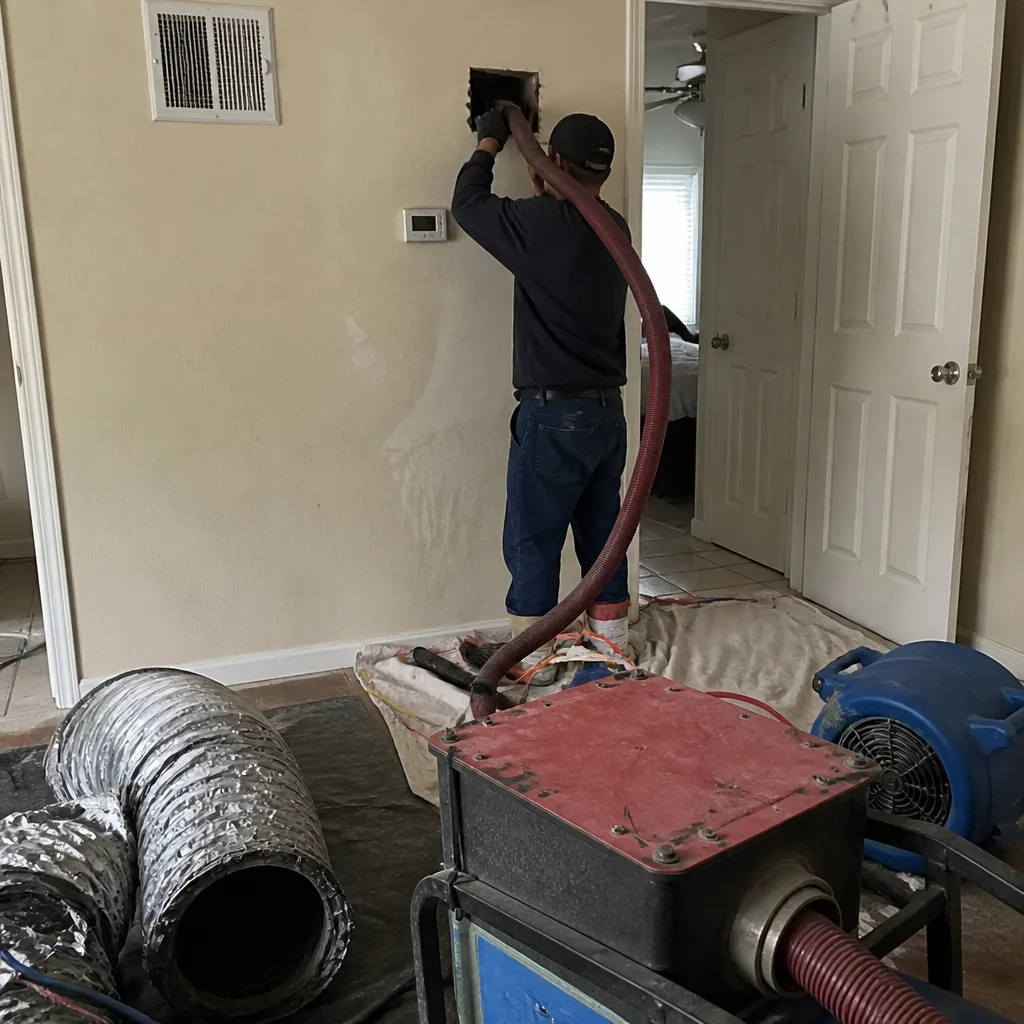 Before
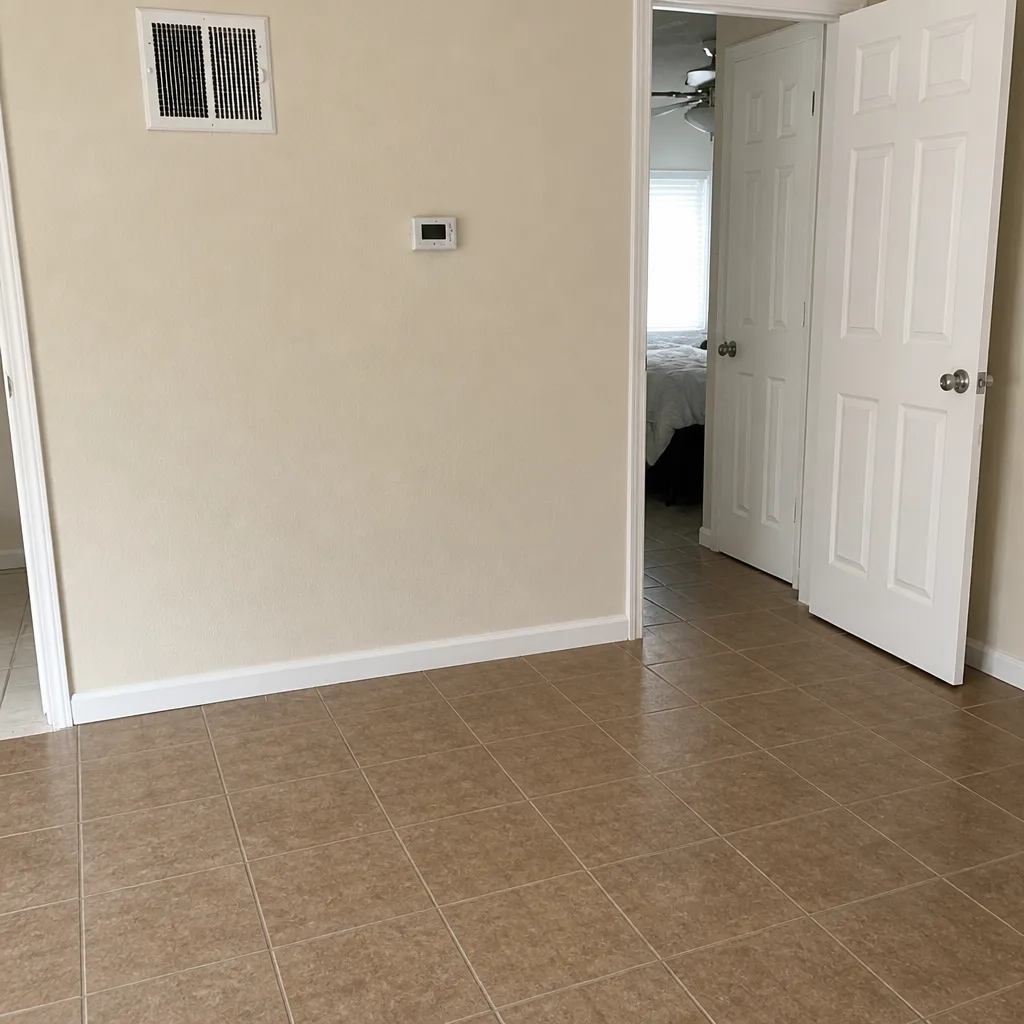 After
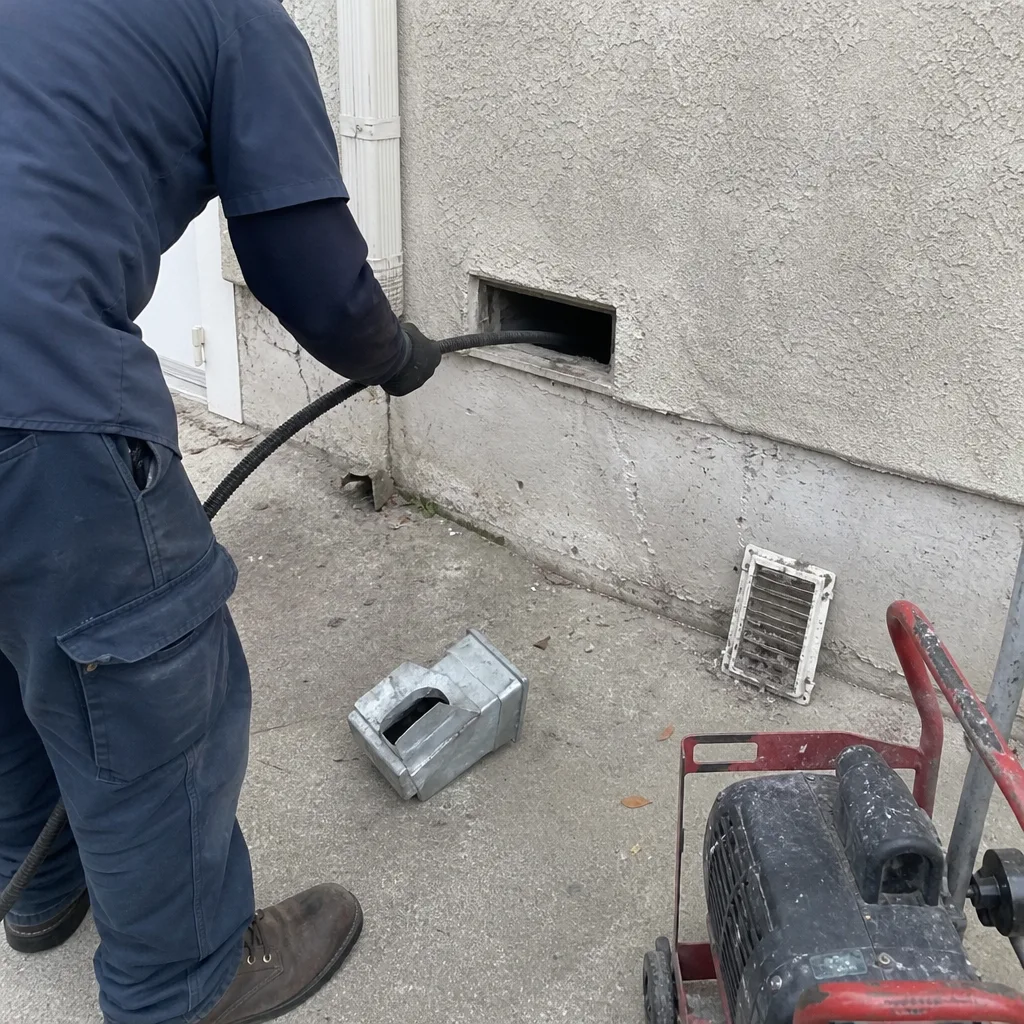 Before
 After
 Before
 After
When to Call a Professional
Call a professional when the system has visible joint separation, crushed or disconnected flex runs, or noticeable airflow loss at specific registers. Call when you’re a new homebuyer inheriting an unknown system, or when an inspector or insurer asks for documentation you don’t have. For allergy and asthma households, call before self-diagnosing – a system-level look combined with cleaning and sanitizing often produces more useful answers than an over-the-counter filter swap. Skip the DIY route entirely on air handler components and electrical controls; that work involves live power and should only be touched by a trained professional. Air Duct Cleaning Anaheim Colony offers free estimates in Anaheim Colony – call (844) 625-7366. We answer 24/7. Fast dispatch from 7am to 7pm, Sunday through Friday.
Frequently Asked Questions
No. Routine air duct cleaning in Anaheim Colony does not require a building permit. Permit obligations start when the work moves from maintenance into repair, replacement, or resealing measurable lengths of ductwork. If your contractor says “we’ll also fix a couple of leaks” and the leaks require cutting into or replacing duct sections, ask the permit question before approving.
More than 40 linear feet of duct replacement or resealing typically triggers Title 24 duct leakage verification, which means a HERS test is part of the compliance documentation. Under the threshold, smaller jobs often do not require it. The linear footage is the number that matters, so ask your contractor how much duct they’re altering before work begins.
It can, and it usually shows up in one of three ways: a buyer’s inspector finds an undocumented alteration, an insurer requests proof of code-compliant repair, or the title file shows a permit was opened but never given final inspection sign-off. California seller disclosures ask about known unpermitted work, so “unknown permit status” tends to slow escrow. Get the permit number and final inspection sign-off on any duct repair to avoid the problem entirely.
A HERS test is a third-party verification that a duct system meets California’s Title 24 duct leakage standards. You need one if your duct repair or replacement exceeds the Title 24 threshold – typically more than 40 linear feet of alteration. The HERS rater is independent of the installing contractor by design, and you should receive a copy of the report when the work is complete.
Ask for the contractor’s license number, a written scope of work naming specific duct sections, the permit pull with the permit number, the final inspection sign-off, a certificate of insurance, before-and-after photos of your actual ducts, and a HERS report if Title 24 verification was triggered. The full set protects you at resale, during an insurance claim, and if the buyer’s inspector starts asking questions years later.
Bundling itself isn’t suspicious; repair-and-clean in one visit is often the practical way to handle a system that needs both. What matters is that the two scopes stay distinct. If the contractor can’t tell you which part of the job is cleaning and which is alteration, or can’t produce a permit for the repair portion, that’s the red flag. A flat price per system and before-and-after photos of your own ducts are the signals to look for.
The Bottom Line
Cleaning ductwork in Anaheim Colony doesn’t require a permit. Repairing, replacing, or resealing significant duct sections usually does, and Title 24 duct leakage rules kick in around 40 linear feet of alteration. The line between cleaning and alteration is where most homeowner confusion lives, and the cost of not knowing is paid at resale, during insurance claims, or when an inspector asks for documentation that doesn’t exist. Get the permit question answered before the estimate is signed, request the permit number and final inspection sign-off, and never accept a repair scope without a written description of exactly which duct sections are being altered. That’s the whole protocol, and it protects your home for years.
If you’re not sure where your project lands, or you’re ready to book a cleaning and want the repair question answered honestly, call (844) 625-7366 for a free estimate. We answer 24/7. Fast dispatch from 7am to 7pm, Sunday through Friday. Air Duct Cleaning Anaheim Colony handles the full scope – cleaning, repair and sealing, sanitizing, and system-level HVAC care – so the diagnosis and the remedy happen in one place.
Written by the team at Air Duct Cleaning Anaheim Colony.