
Last updated November 25, 2026
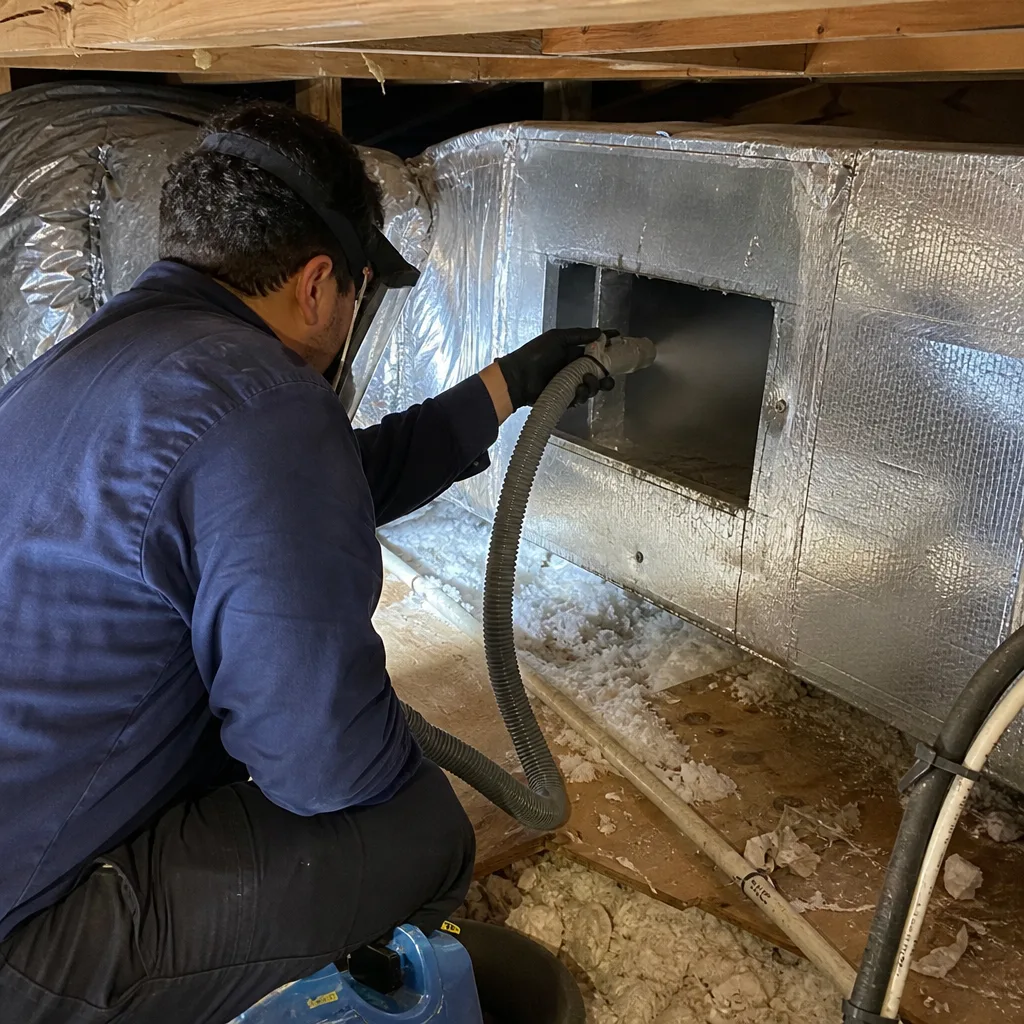
 Whole-home duct cleaning
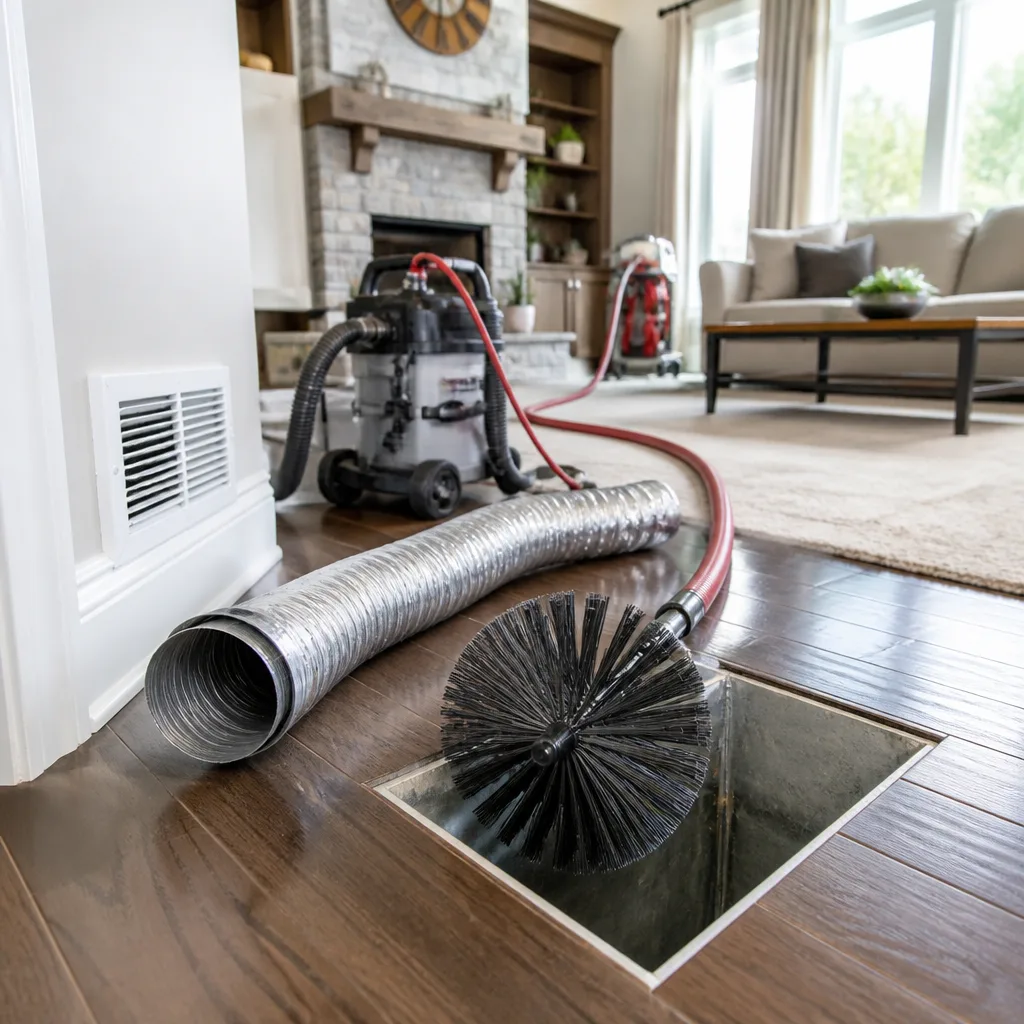
 Dryer vent cleaning
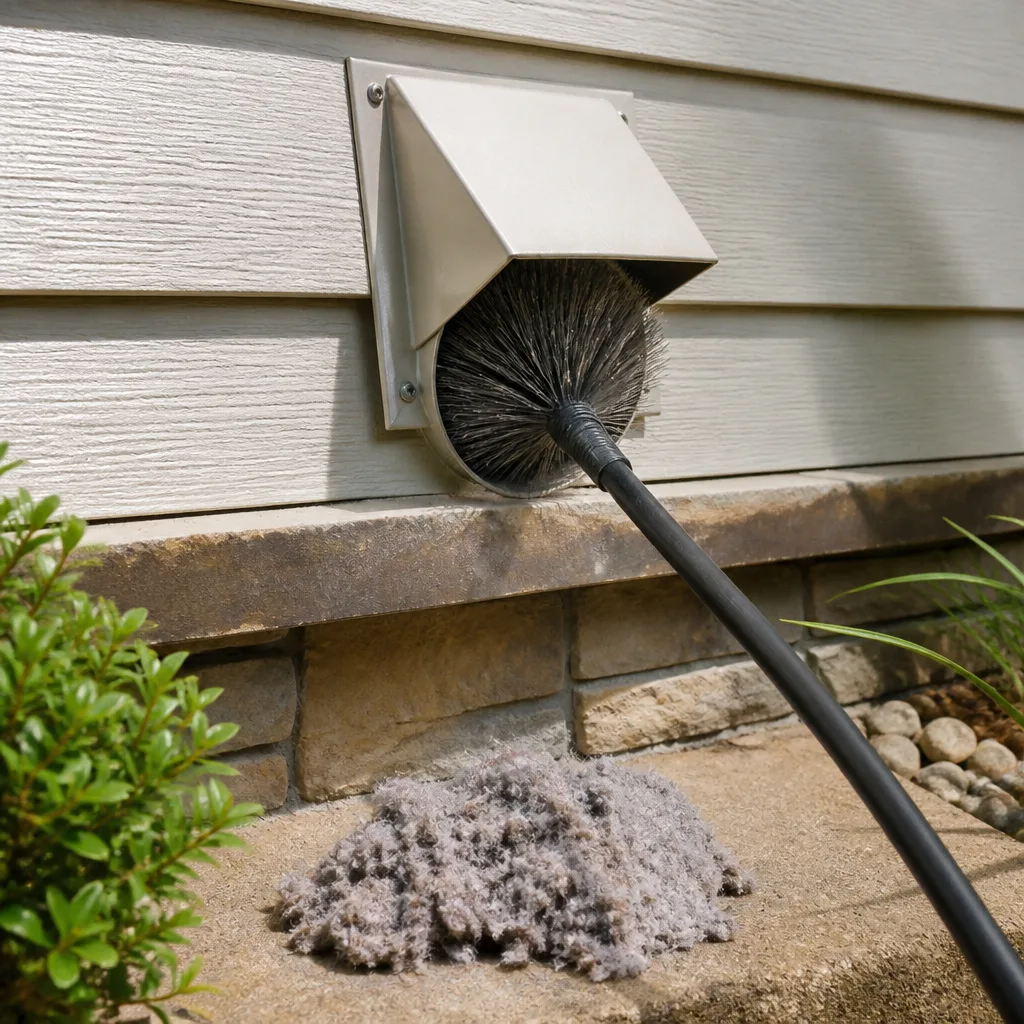
 Camera inspection
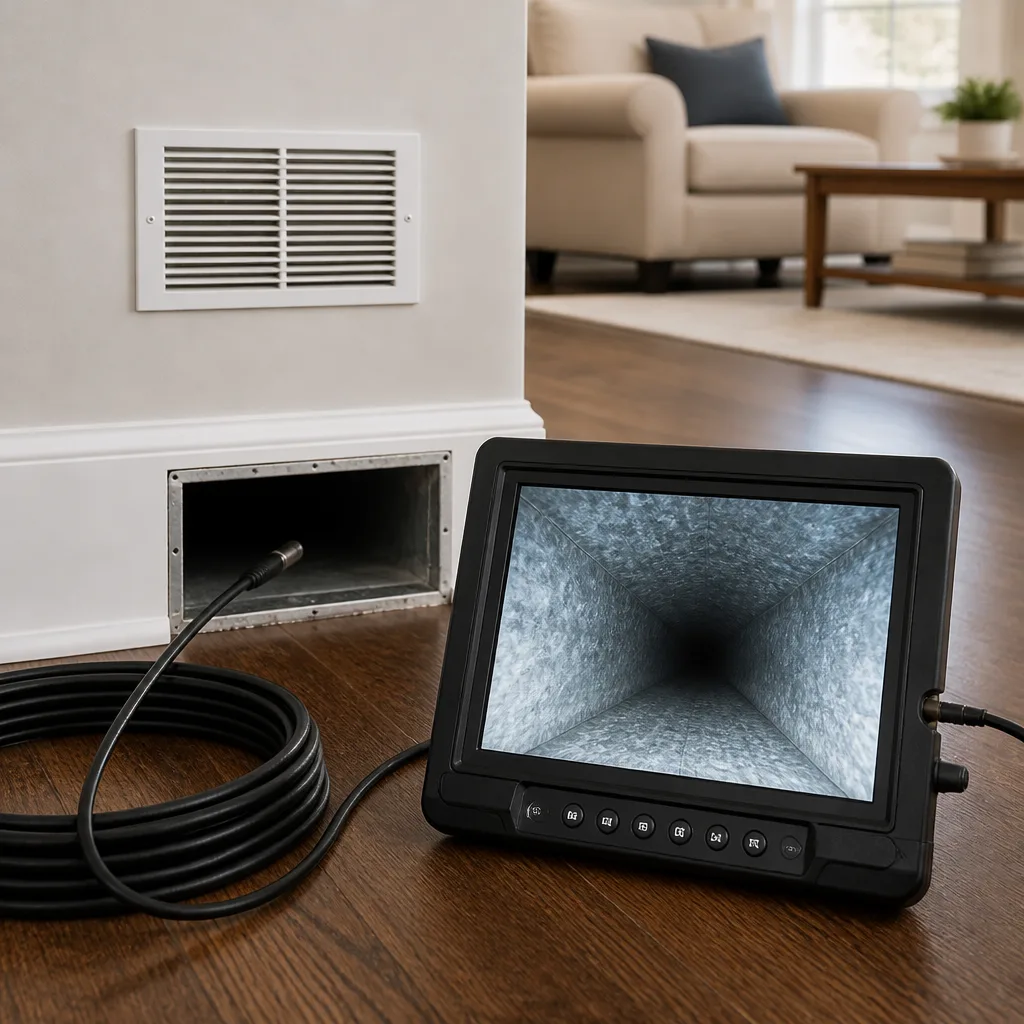
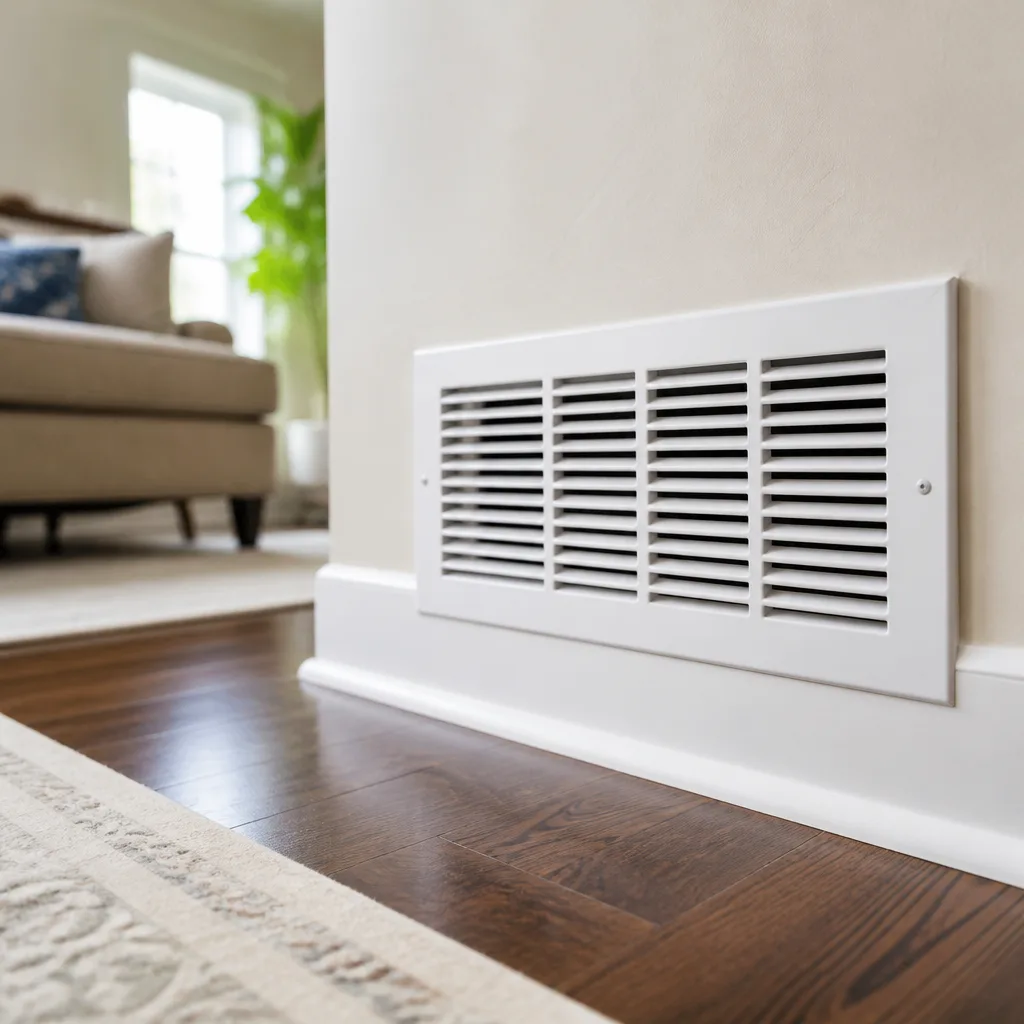 Sanitizing & deodorizing
Whole-system duct and dryer vent check with before-and-after photos - you see exactly what came out of your vents
That "$99 whole-house special" is a bait ad - the real number appears once they are in your hallway, or the "clean" is a shop-vac at the register. We photograph the inside of your ducts before and after instead.
Choosing the Right Air Duct Cleaning Brand: A Buyer’s Guide for Anaheim Colony
Most duct cleaning marketing in Anaheim Colony sounds identical. Every company claims certified technicians, professional equipment and guaranteed satisfaction, which means the words on the website tell you almost nothing about the work that happens in your home. The signals that actually predict quality sit one layer down: what machine a company runs, whether anyone inspects before quoting, how far their service scope reaches, and what they will commit to in writing before a single register comes off. That last point separates operators more sharply than any slogan. This guide teaches you to read those signals the way a facilities manager reads a contractor bid, so you can choose a duct cleaning brand in Anaheim Colony on evidence rather than adjectives.
Quick Answer
To choose the right air duct cleaning brand in Anaheim Colony, look past certification badges and evaluate four operational signals: the specific negative-pressure equipment and CFM rating the company uses, whether they inspect your system before quoting, whether their scope includes duct repair and sealing rather than cleaning alone, and what they will put in writing about method, equipment and re-inspection. A brand that answers those four questions clearly is a safer choice than one that answers with reassurance instead of specifics.
Styles & brands we work with
- Whole-home duct cleaning
- Dryer vent cleaning
- Camera inspection
- Sanitizing & deodorizing
Table of Contents
- Why NADCA certification is a floor, not a differentiator
- Equipment as a brand signal: what to ask before you book
- The inspection-first standard: why quotes without a look are a warning
- What a company’s service scope tells you about its limits
- How to read reviews for technical specificity
- The contract as a brand test: what belongs in writing
- Anaheim Colony specifics that change the job
- Twelve questions to ask before you book
Why NADCA certification is a floor, not a differentiator
NADCA membership costs a company roughly $700 per year and requires passing a written exam. That’s a meaningful minimum bar, and it tells you the company has at least engaged with a written standard for how duct cleaning should be done. But it’s also accessible enough that you should treat it as the entry requirement rather than a reason to choose one brand over another. Every credible duct cleaning company in Anaheim Colony should be able to tell you they follow NADCA guidance. If they can’t, that’s a reason to keep looking.
The more useful question is what sits above that floor. Certification doesn’t tell you which machine shows up, whether the technician inspects your air handler before starting, or whether the company can repair a disconnected duct run they uncover. Those are operational facts, and they matter more to the outcome in your house than a logo on a van.
Here’s how we think about it at Air Duct Cleaning Anaheim Colony. Our technicians have up to 9 years of experience, and in that time the pattern is consistent: the jobs that end well are the ones where someone looked at the whole system first and had the equipment and scope to address what they found. Certification is the price of entry. Method is what you’re actually buying.
When you talk to any brand, ask directly whether they follow NADCA’s assessment, cleaning and post-cleaning verification steps. A company that can walk you through those steps in plain language, without reading from a script, is signaling that the standard is actually part of how they work rather than a badge on a page.
Equipment as a brand signal: what to ask before you book
Clean ducts start with the right machine. This is the single most testable claim any duct cleaning company makes, and most buyers never test it. Duct cleaning relies on two things working together: agitation to loosen debris from the duct walls, and negative pressure to pull that debris out of the system and into a collection unit rather than into your living room.
Negative-pressure systems come in a few broad types. Truck-mounted units generate high airflow and are typically used on larger commercial jobs. Portable high-powered units bring substantial negative pressure into residential settings and are the practical standard for most homes. Consumer-grade shop vacuums, and the small units some low-cost operators run, don’t produce enough airflow to move settled debris through a full duct run. When a company shows up with equipment that looks like it came from a hardware store rental counter, that’s the whole story.
Ask two specific questions before you book:
- What negative-pressure equipment will you use, and what is its CFM rating? CFM means cubic feet per minute, the measure of how much air the unit moves. A company that can name its machine and its rating is operating with intent. A company that says “professional-grade” and nothing else is hoping you won’t ask.
- What agitation tool do you use inside the ducts? Look for a named rotary brush or air-whipping system. Brush agitation and compressed-air tools do different jobs, and a brand that can explain which they use and why has thought about your duct material.
We run professional-grade equipment from Rotobrush and Nikro, the systems specified by commercial HVAC contractors and restoration professionals for duct agitation and negative-pressure extraction. We also use Abatement Technologies air-filtration equipment on-site for HEPA-level containment during cleaning, so debris is captured rather than redistributed. Those brand names aren’t decoration. They’re the reason we can answer the CFM question with a straight answer, and it’s the standard we’d hold any brand to if we were the ones hiring.
The inspection-first standard: why quotes without a look are a warning
A company that quotes your duct cleaning over the phone, before anyone has seen your system, is telling you something about its process. It’s not being efficient. It’s skipping the step that determines what the job actually requires.
Every home’s duct system is different. Duct material varies: sheet metal, flex duct, and rigid board each respond differently to agitation. The number and layout of runs varies. So does the condition of the air handler, the return plenum, and the registers. A duct system that hasn’t been touched in years may be carrying debris loads a quick walkthrough would reveal in minutes. A recently cleaned system in a newer Anaheim Colony home might need far less. Neither situation can be assessed through a phone call.
What inspection-first looks like in practice:
- The technician arrives and asks about your system: age, recent HVAC work, any rooms that feel stuffy or dusty.
- They open the air handler or furnace cabinet and look at the blower, the evaporator coil area, and the filter housing.
- They check a sample of registers and, where accessible, the duct interior at the plenum.
- They give you a written scope based on what they saw, not a flat package price for every house.
In our experience in Anaheim Colony, the inspection step is also where real problems surface: a disconnected flex run in the attic, a return duct pulling air from a wall cavity, a filter that hasn’t been changed in a way that tells you something about the system’s history. A company that inspects first can plan for those. A company that quotes blind will either miss them or discover them mid-job and change the price.
When you call a brand, ask whether the estimate includes an on-site system inspection. If the answer is “we can give you a price right now,” that’s a signal about how the work will go.
What a company’s service scope tells you about its limits
Read a duct cleaning company’s service menu carefully and you’ll learn what happens when the job gets complicated. Brands that only clean ducts will eventually hit the edge of their competency, and how they handle that edge is a preview of your experience.
The pattern is predictable. A cleaning-only contractor opens up a system and finds a duct run that’s come apart at a joint, or a plenum with gaps that let attic air into the supply. They can’t repair or seal it, so they either refer you out, stop work at the boundary of their service list, or clean around the problem and move on. Cleaning around a leak means the cleaned system re-contaminates, because unfiltered air keeps entering through the gap. You paid for clean ducts that don’t stay clean.
Look for a brand whose scope covers the full chain from the register to the air handler. That means cleaning, sanitizing, repair, sealing, and system-level HVAC care under one roof. At Air Duct Cleaning Anaheim Colony, the menu runs from air duct cleaning through duct repair and sealing to full air quality and sanitizing work, plus dryer vent cleaning and HVAC cleaning. We repair what we find rather than just reporting it, which is the difference between a company that cleans a system and one that leaves it working.
Two scope items deserve specific attention when you’re evaluating brands:
- Duct repair and sealing. Leaky ducts waste energy and re-contaminate a cleaned system. If a brand lists cleaning but not sealing, ask what they do when they find a leak, and listen for whether the answer involves someone else.
- Sanitizing. Not every job needs it, but the capability signals whether the company can address microbial contamination, persistent odors and allergens rather than just visible debris. We use Guardsman-grade sanitizing protocols for that work.
A brand that can diagnose, clean, repair and seal in one visit eliminates the handoff gaps where problems get dropped. That’s the practical reason to weigh scope so heavily.
How to read reviews for technical specificity
Reviews are useful, but not in the way most people read them. A wall of five-star ratings that all say “great job, very professional” tells you the company was polite and showed up. It tells you almost nothing about whether the ducts got clean. The reviews that carry information are the ones that describe a specific experience.
Learn to sort reviews into two buckets. Generic satisfaction reviews are the low-signal bucket: fast, friendly, easy to schedule, would use again. Technical reviews are the high-signal bucket, and they mention things like:
- Noticeable improvement in airflow to specific rooms afterward.
- Before-and-after photos of the ducts or the collection unit.
- The specific equipment used, or the fact that the technician named it.
- What the technician found and how it was handled, such as a disconnected duct that got repaired.
- An honest answer about whether the cleaning was needed yet.
Those details are hard to fake at scale. A reviewer who notes that the crew ran HEPA filtration and showed photos afterward is describing a documented process, not a feeling. A reviewer who mentions that the technician recommended sealing a leaky return before cleaning is describing a brand with a real diagnosis step.
Read for patterns rather than individual reviews. Do several people describe the same equipment or the same inspection process? Does anyone mention a problem that got found and fixed? If the technical reviews cluster around specific behaviors, you’re seeing how the brand actually operates. If every review is generic praise and the company runs a coupon-driven model, the reviews are probably describing the price, not the work.
The contract as a brand test: what belongs in writing
A reputable duct cleaning brand will put the important parts of the job in writing before any work starts. A low-quality operator will resist exactly the items that would hold them accountable. This is where you can do the most reliable comparison in a single step.
What a credible contractor commits to on paper:
- Scope of work. Which components get cleaned: supply ducts, return ducts, registers, the air handler, the blower, the coil area. Names, not generalities.
- Equipment used. The negative-pressure machine and agitation tool, named. This is the same question from earlier, now in a form the company has to sign.
- NADCA compliance statement. Confirmation that the job follows NADCA’s assessment and cleaning standards.
- Re-inspection and verification. What happens after cleaning: whether the technician does a post-cleaning visual check and shows you the result, including photos of your own ducts.
- A single flat price for the system. Not a per-vent price and not a teaser figure that grows once the technician is on site. One price per system, agreed before work begins, with the written estimate setting the final number.
The written estimate is the part you keep. If a brand hedges on scope, won’t specify equipment, or treats a request for a written price as inconvenient, you’ve learned what you needed to know. The duct cleaning industry carries a reputation for the low coupon that becomes a much larger invoice, and it carries that reputation for a reason. A single flat price per system, in writing, is the direct answer to that concern.
The inspection step and the contract step fit together: inspection tells the brand what the job needs, and the contract commits to it. A brand that does both is showing you its process rather than describing it.
Anaheim Colony specifics that change the job
Anaheim Colony sits in a mild inland Southern California climate, and that shapes what a duct system goes through here. The heating season is short and gentle compared with colder parts of the country, so the furnace and blower run fewer hours per year. But the cooling season is long, and a system that moves air through the ducts for months at a stretch accumulates debris the way any other would. The mild winters also mean less condensation inside the duct system, which matters because moisture is what turns accumulated dust into a source of microbial growth. Dry debris is easier to remove cleanly. Damp debris is not.
Housing stock in the neighborhood shapes the job too. Homes in and around the Colony range from older single-family houses with retrofitted central systems to newer construction with tighter envelopes and more elaborate duct layouts. Older homes often have duct runs with more joints and more opportunities for leaks and disconnections, and they may have flex duct sections that have aged and kinked. Newer homes tend to have longer runs, more registers and more reason for a careful inspection before cleaning.
Two local realities deserve a spot in your evaluation:
- Long cooling seasons mean more runtime on the blower and coil. Ask any brand how they handle the evaporator coil area and the blower during cleaning. A system that spends months moving air gets dust on more than the duct walls.
- Anaheim Colony homes with allergy or asthma occupants benefit from the sanitizing step. Visible debris removal is the baseline. Addressing allergens and odors takes sanitizing with a protocol, which is a capability question, not a price question.
If you’re a new homebuyer inheriting an unknown system, or a landlord preparing a unit between tenancies, this local context is the reason inspection-first matters more than a flat package price. A brand that inspects can tell you what your specific system needs, which is the only useful answer.
Twelve questions to ask before you book
Here is the buyer’s short list, in one place, for evaluating an air duct cleaning brand in Anaheim Colony. Print it, or keep it open while you make calls.
- Do you follow NADCA’s assessment, cleaning and post-cleaning verification standards?
- What negative-pressure machine will you use, and what is its CFM rating?
- What agitation tool do you use inside the ducts, and why that one for my duct material?
- Will you inspect my air handler, blower, coil area and a sample of registers before quoting?
- Do you offer duct repair and sealing if you find a leak or a disconnected run?
- Do you sanitize, and what protocol do you use if it’s needed?
- Will you show me before-and-after photos of my own ducts?
- Is the price one flat price per system, in writing, before work begins?
- What exactly is included in the scope: supply, return, registers, air handler, blower?
- How do you contain debris during cleaning, and what filtration do you run on site?
- What happens if the system is dirtier than expected once you open it up?
- Can you clean the dryer vent as part of the visit, and why does that matter for safety?
That last question is worth explaining. Dryer vent cleaning is linked by the NFPA directly to dryer-related home fires, and a brand that includes it in its service scope is signaling a safety-first orientation. It’s a small tell, but it’s a real one: companies that think about fire risk in a lint line tend to think about containment and equipment specification in a duct line.
Common Mistakes to Avoid
- Treating NADCA certification as a differentiator instead of a floor. It’s a meaningful minimum bar, but every credible brand should have it. Use it to filter out the unserious, then compare on equipment, inspection and contract.
- Booking from a phone quote without an inspection. A price given before anyone has seen your system is a package, not an estimate. Insist on an on-site look, because the job depends on what’s actually there.
- Never asking for a CFM rating. “Professional-grade equipment” means nothing on its own. Ask for the machine name and the number, and treat a refusal as a data point.
- Reading review stars instead of review detail. Generic satisfaction reviews describe scheduling, not cleaning. Sort for reviewers who mention airflow changes, before-and-after photos or named equipment.
- Choosing a cleaning-only brand for a system with leaks. Clean ducts behind a disconnected run re-contaminate. If the brand can’t repair and seal, the cleaning may not hold.
- Accepting a per-vent price or a coupon figure as the final number. A low teaser that grows once the technician is on site is the industry’s core reputation problem. Ask for one flat price per system in writing.
- Overlooking the dryer vent. It’s a separate safety service, not a duct cleaning add-on to skip. If a brand offers it, ask how they do it and why.
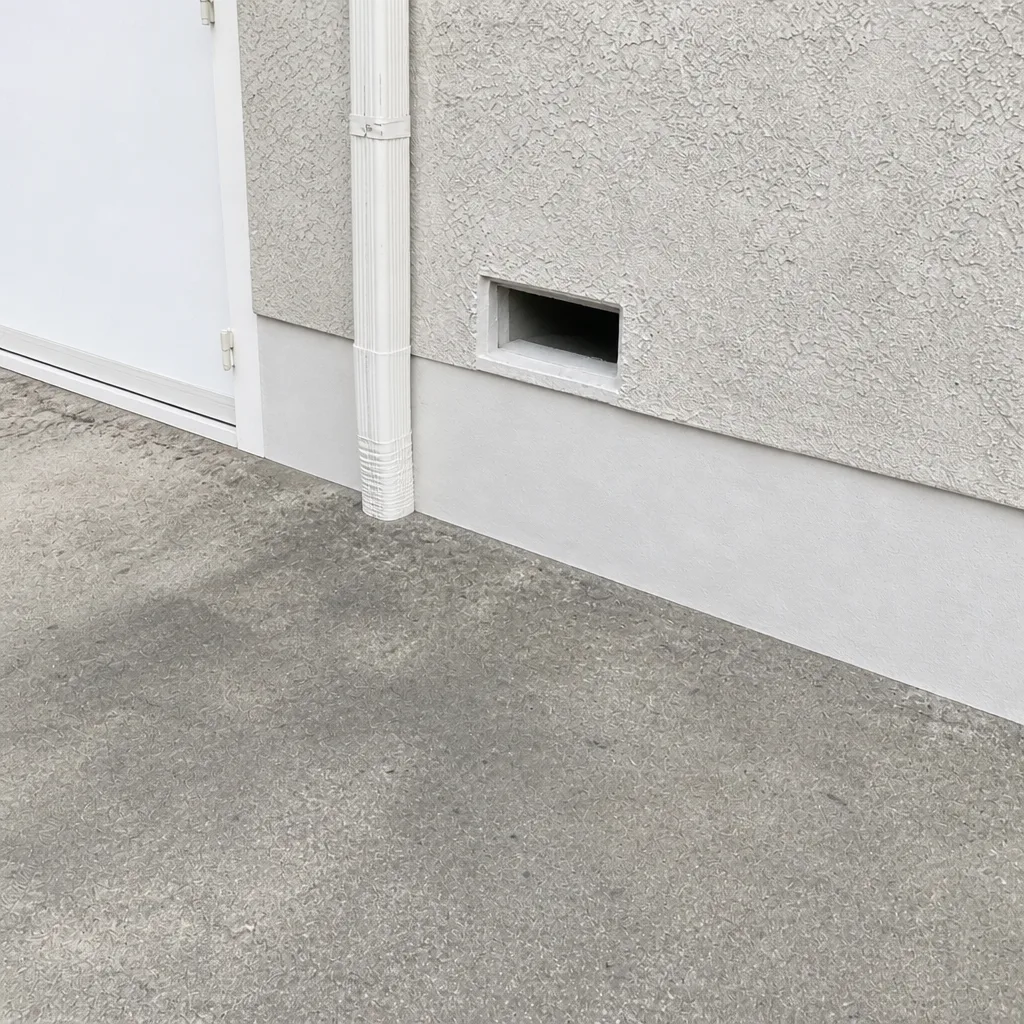
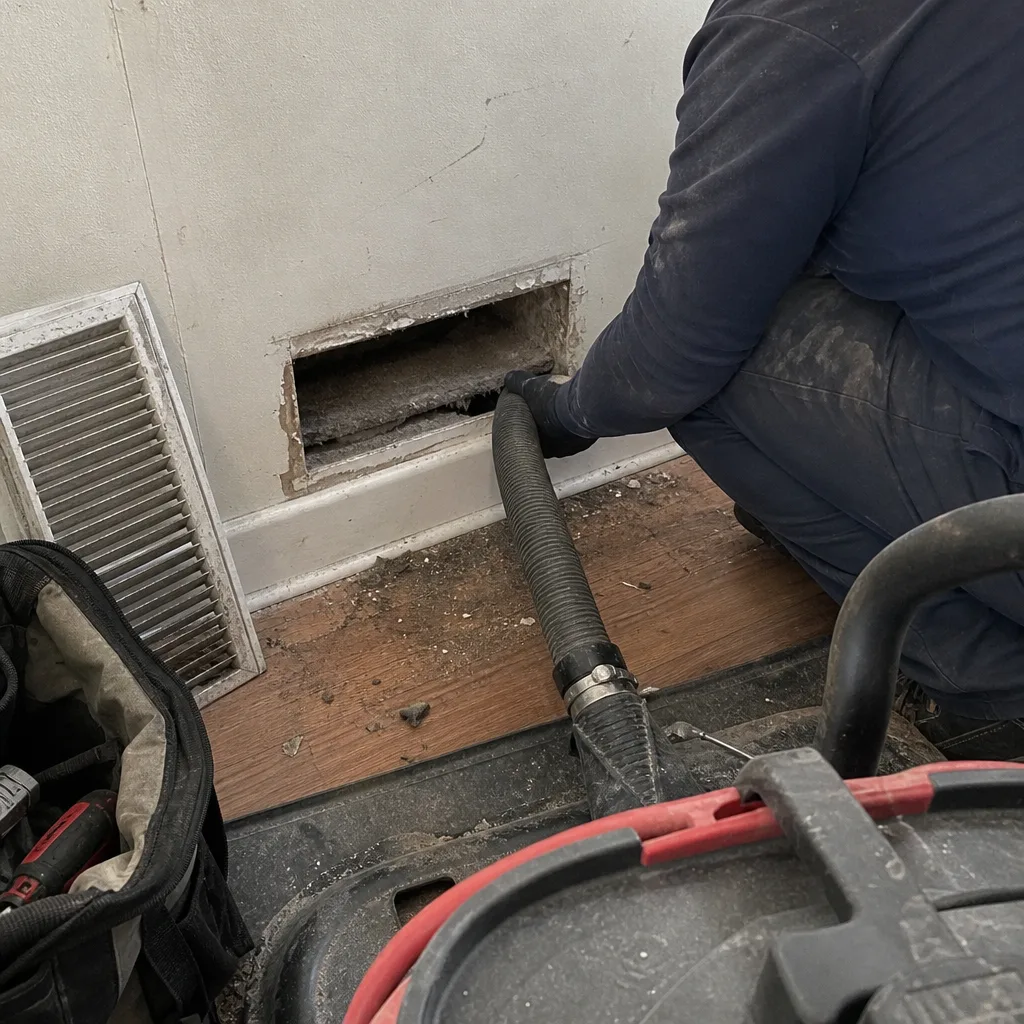
See the difference
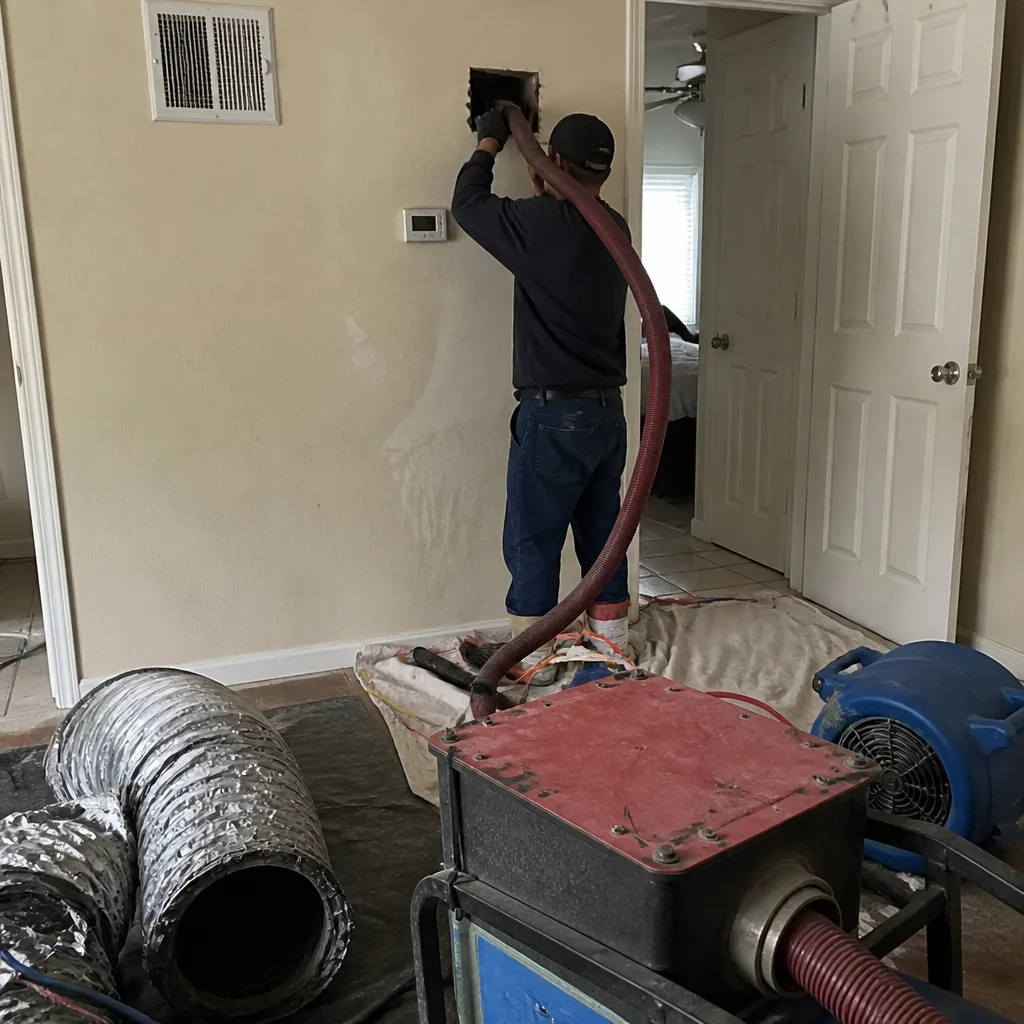 Before
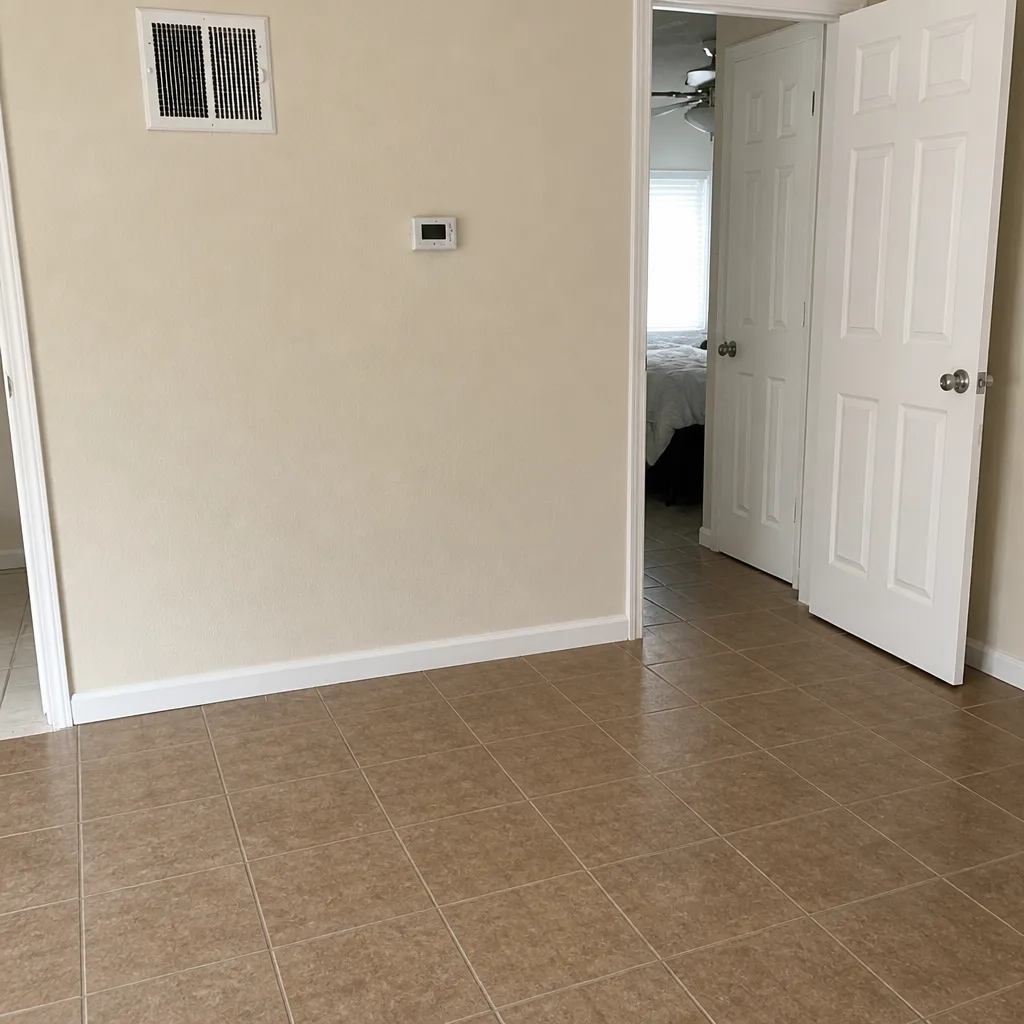 After
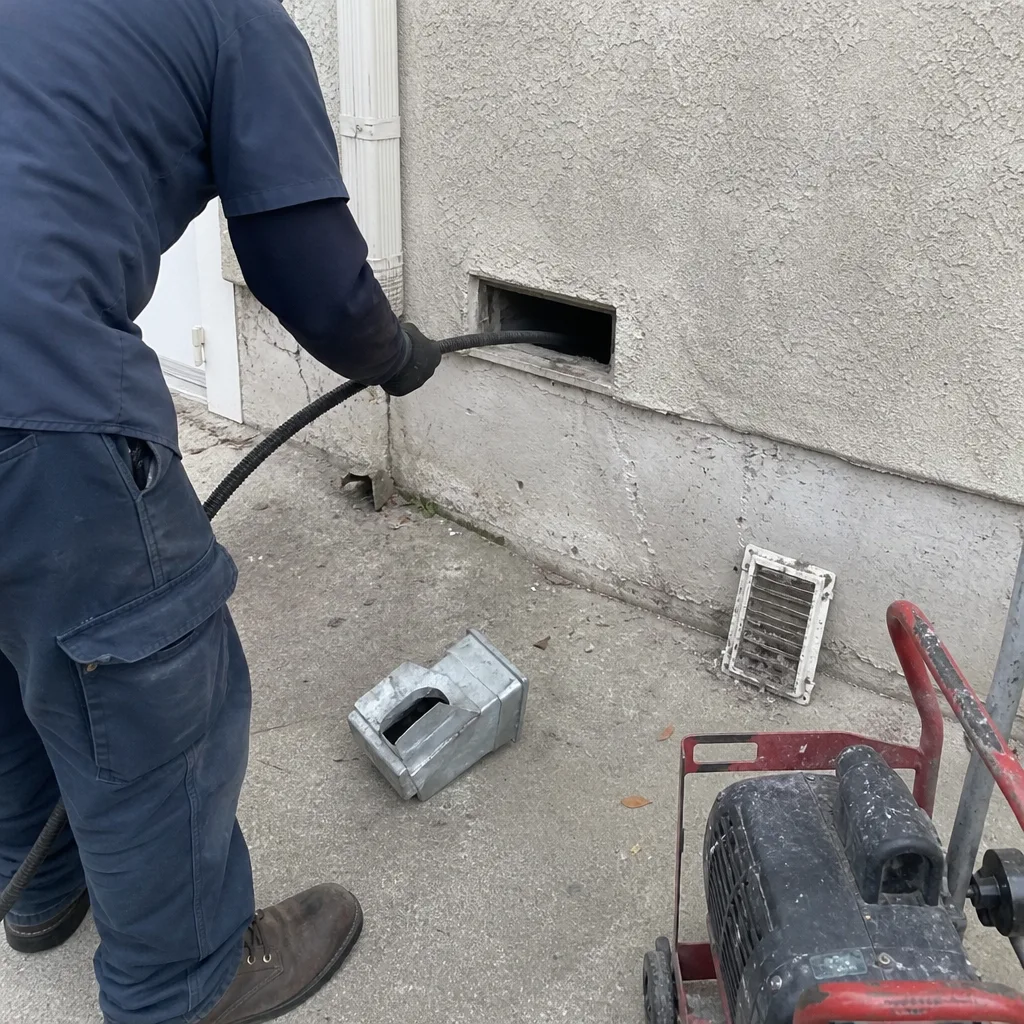 Before
 After
 Before
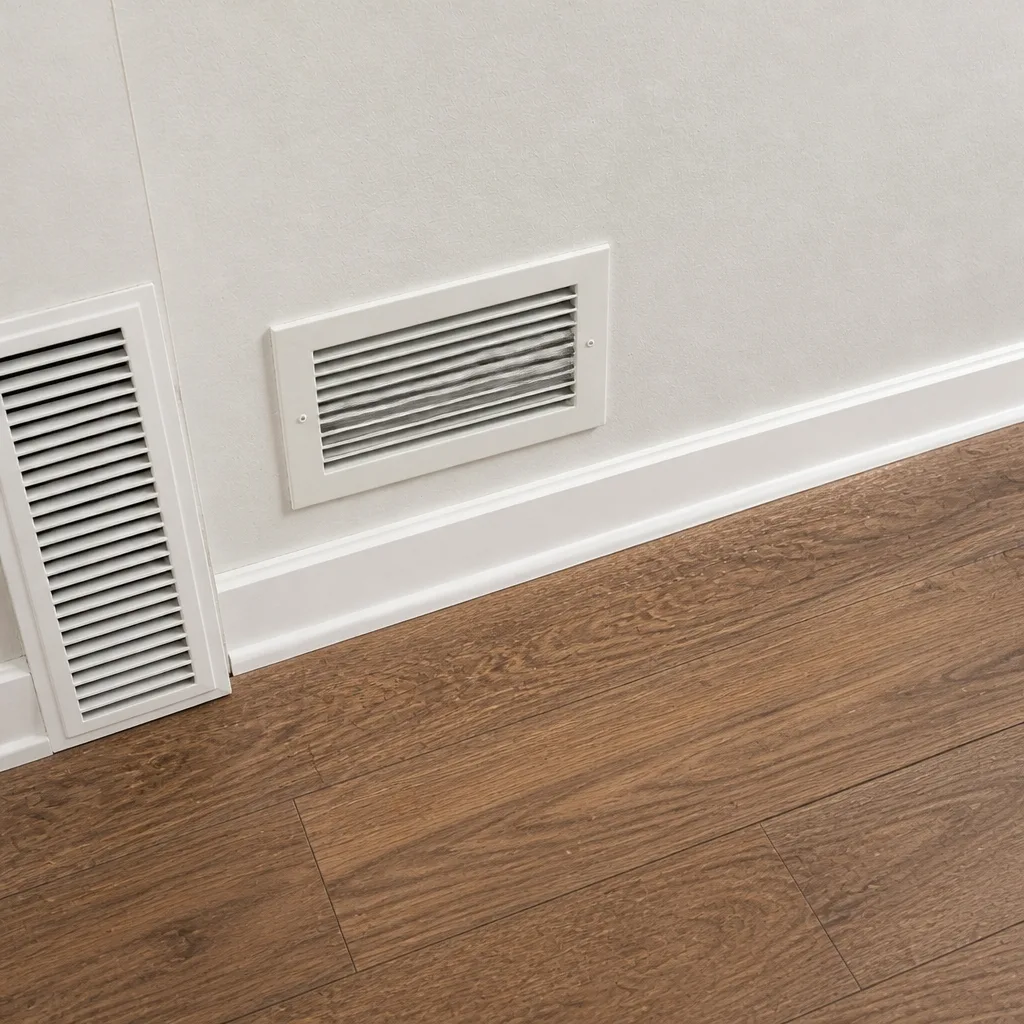 After
When to Call a Professional
Call a professional when you notice uneven airflow between rooms, dust settling faster than it used to, visible debris or dark staining around registers, or lingering odors when the system runs. Call if anyone in the home has allergies or asthma and the symptoms seem worse indoors. Call if you’ve just bought or rented a home and don’t know the system’s history, if you’re a property manager turning over a unit, or if it’s been long enough since the ducts were cleaned that you can’t remember. Call if your dryer takes longer than it used to dry a load, which points to a vent that needs attention for safety. Air Duct Cleaning Anaheim Colony offers free estimates in Anaheim Colony. Call (844) 625-7366. We answer 24/7, with fast dispatch from 7am to 7pm, Sunday through Friday.
Frequently Asked Questions
Costs depend on the size of the system, how many runs and registers are involved, the condition of the ducts, and whether repair, sealing or sanitizing is needed. Quotes vary because a cleaning-only brand and a full-scope brand are often pricing different work, and because teaser pricing is common in this trade. The right move is to get a written estimate after an on-site inspection, with one flat price per system. Call (844) 625-7366 for an exact quote; estimates are free.
Cheaper quotes usually reflect a smaller scope: less equipment, no inspection, no repair or sealing, and sometimes per-vent pricing that grows once the technician is on site. A low coupon figure is not a price for your system. It’s an opening number. Compare brands on what’s included and what’s in writing, not on the headline number. Call (844) 625-7366 for an estimate that reflects your actual system.
Ask for before-and-after photos of your own ducts, not stock images, and confirm that post-cleaning verification is part of the job. NADCA standards call for assessment before and verification after, so a credible brand can show you what changed. If a brand won’t document the work, that’s the answer to your question. Call (844) 625-7366 to book a visit with documentation.
There’s no single number that fits every home. A long cooling season in a mild inland climate means the system runs a lot, so dust accumulates steadily, and a household with pets, allergy occupants or recent remodeling will need attention sooner than a lightly occupied home. The useful answer comes from an inspection of your specific system rather than a general rule. Call (844) 625-7366 and we’ll help you decide whether your ducts are actually due.
You need repair and sealing if the inspection finds leaks, gaps or disconnected runs, because cleaning a system that leaks means clean ducts that re-contaminate. A brand that inspects will tell you which situation you’re in. A cleaning-only brand can’t. Call (844) 625-7366 to arrange an inspection that covers both.
A good brand brings a high-powered negative-pressure unit and a named agitation tool, plus filtration for containment on site. Ask for the machine name and its CFM rating before booking. At Air Duct Cleaning Anaheim Colony we run Rotobrush and Nikro equipment and use Abatement Technologies filtration on site, and we’re glad to specify what will be used in your home. Call (844) 625-7366 to book.
The Bottom Line
The brand you choose matters less than the process you can verify. Certification is a floor. Equipment is the testable signal. Inspection before quoting is the process marker. Service scope tells you what happens when the job gets complicated, and the contract tells you what the brand will stand behind on paper. Read reviews for technical detail, not star counts, and insist on one flat price per system in writing before work begins. That’s the evaluation a facilities manager would run. For a free estimate in Anaheim Colony, call (844) 625-7366. We answer 24/7, with fast dispatch from 7am to 7pm, Sunday through Friday. Learn more about our Air Duct Cleaning Anaheim Colony services and get started with a visit that documents the work from inspection through re-verification.
Written by the team at Air Duct Cleaning Anaheim Colony.