
Last updated November 25, 2026
 Whole-home duct cleaning
 Dryer vent cleaning
 Camera inspection
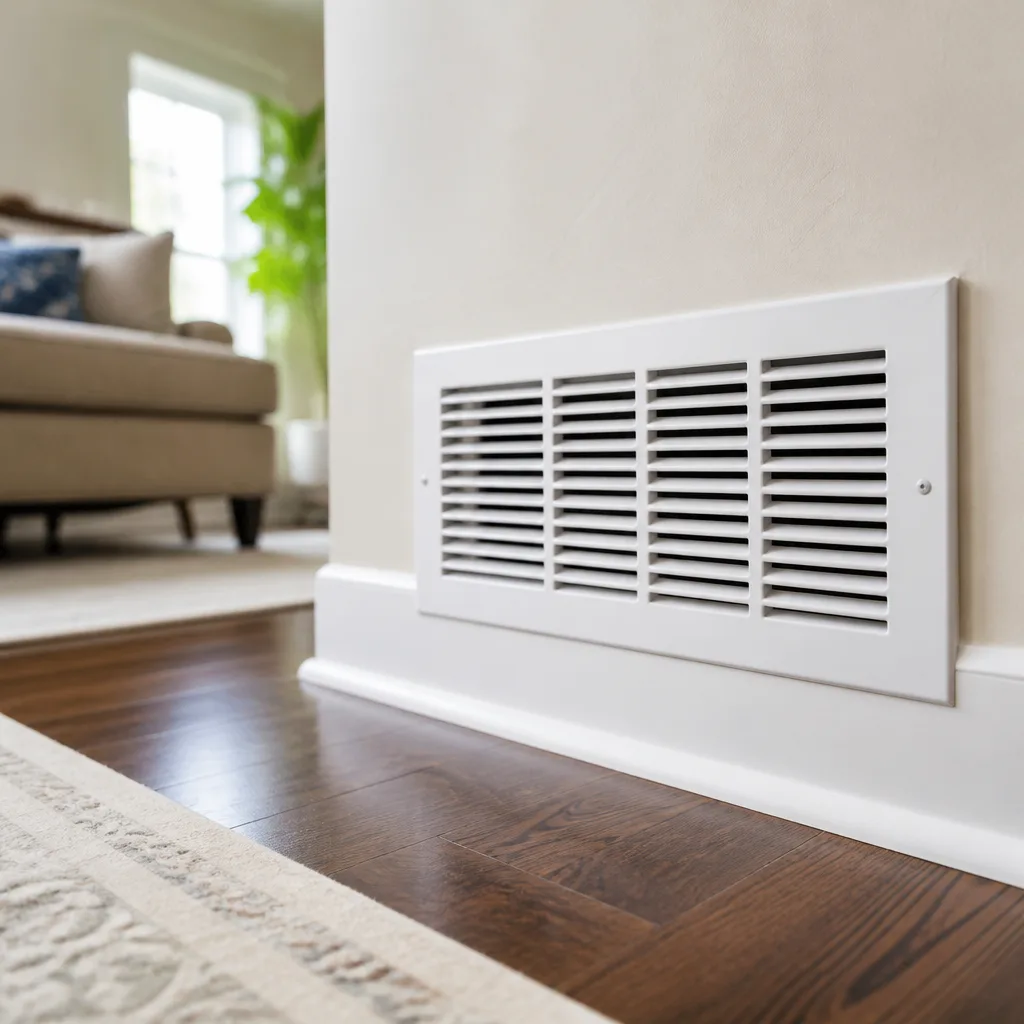 Sanitizing & deodorizing
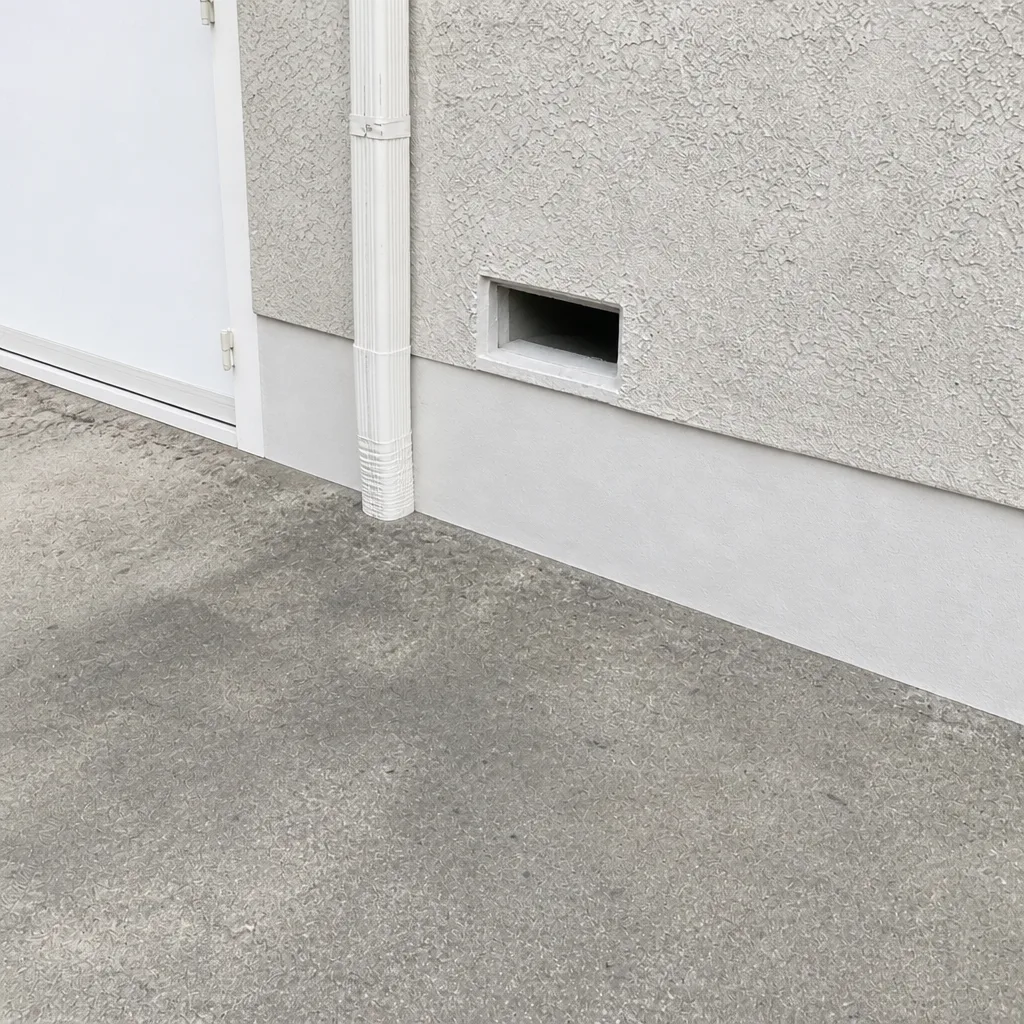
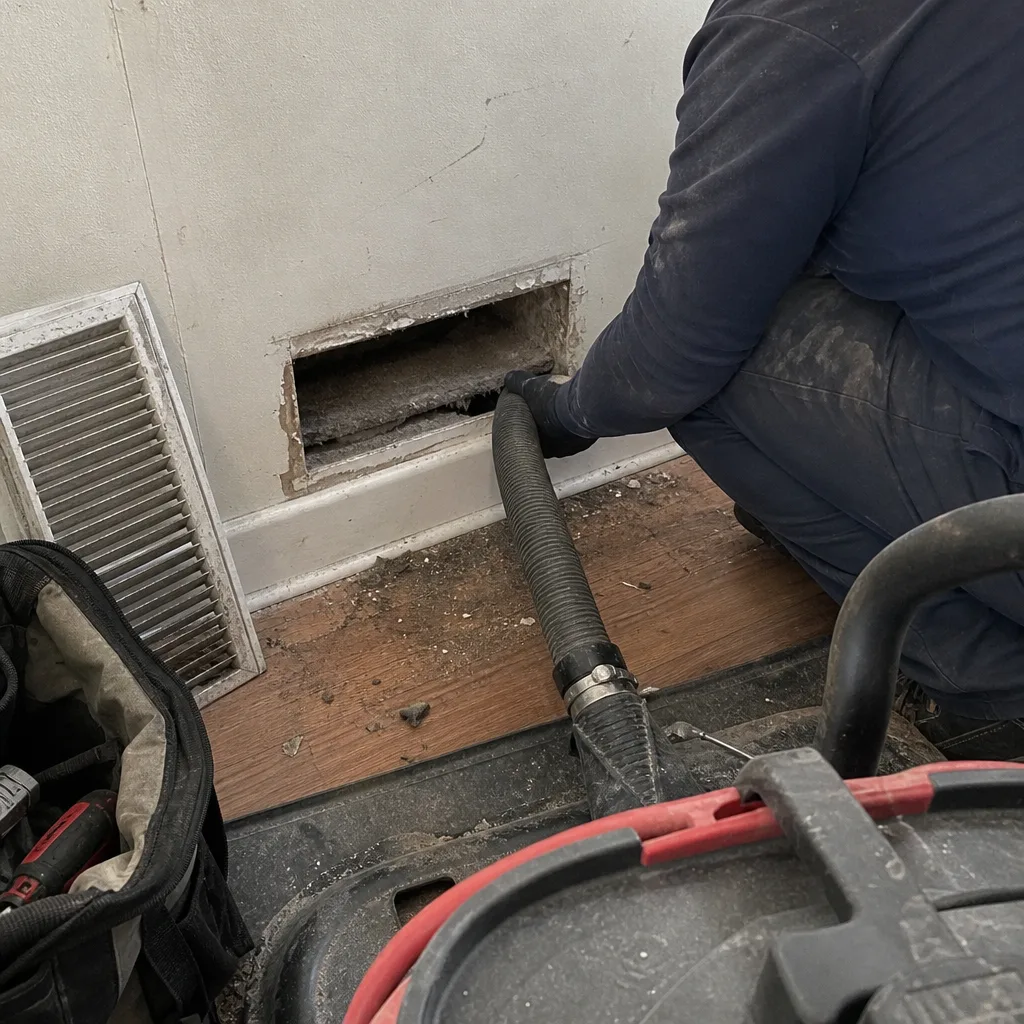
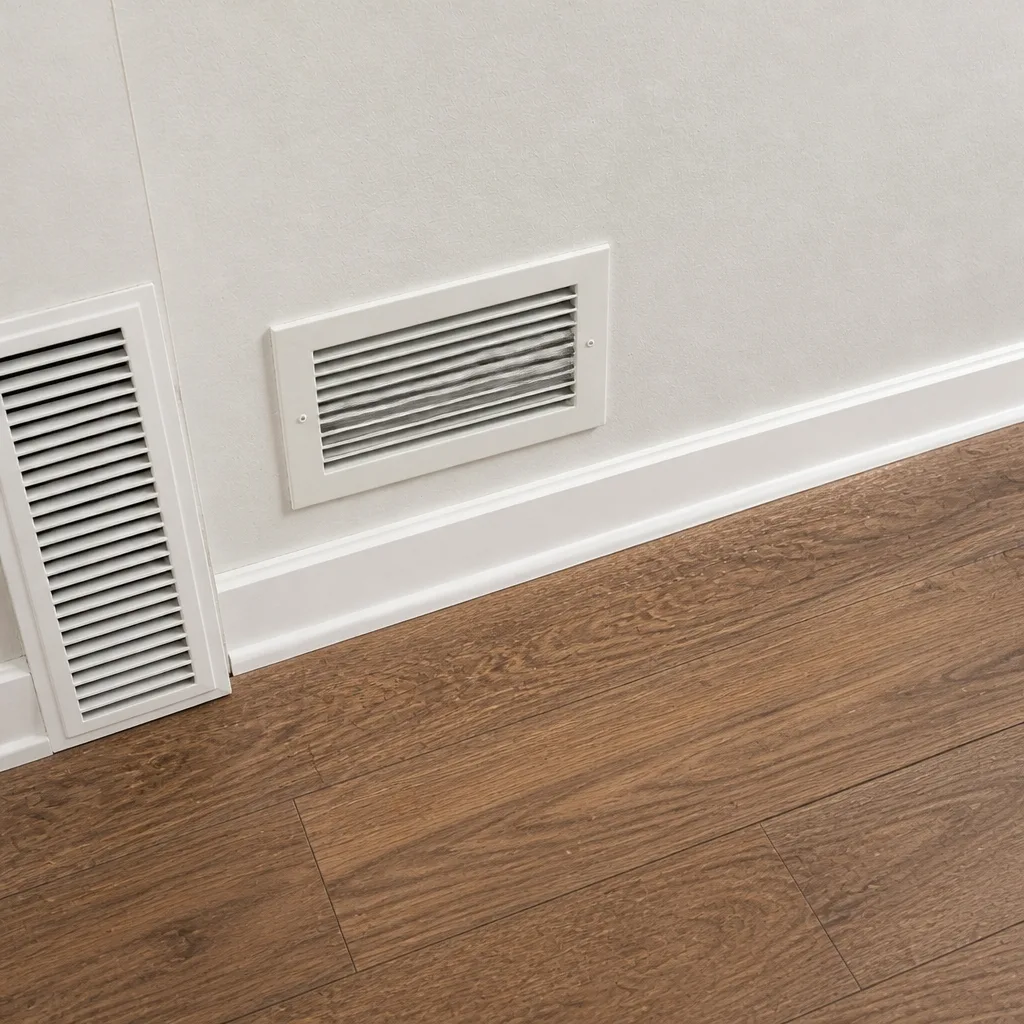
Whole-system duct and dryer vent check with before-and-after photos - you see exactly what came out of your vents
That "$99 whole-house special" is a bait ad - the real number appears once they are in your hallway, or the "clean" is a shop-vac at the register. We photograph the inside of your ducts before and after instead.
DIY vs Professional Air Duct Cleaning: The Anaheim Colony Homeowner’s Decision Guide
Most homeowners compare DIY duct cleaning and professional cleaning as if the two sit on the same scale, one cheaper, one better. They don’t. They’re different physical processes. A shop vacuum moves roughly 60 to 80 cubic feet per minute of air. A truck-mounted extraction system moves somewhere in the range of 12,000 to 16,000 cubic feet per minute. That gap isn’t a matter of degrees, it’s the difference between stirring up dust and actually pulling it out of the system. In this guide we’ll walk through what you can genuinely do yourself in an Anaheim Colony home, what you can’t, and how to tell where the line falls for your own HVAC setup.
Quick Answer
You can clean register covers, grilles, and accessible return-air components yourself, and that work is worth doing. But true source-removal duct cleaning, the kind that lifts settled debris off the interior walls of the ductwork and carries it out of the system under negative pressure, requires truck-mount equipment. Consumer vacuums can’t generate enough airflow to move that material, and in some cases they push it further into the duct run. The realistic split: homeowner maintenance slows accumulation between cleanings, and professional cleaning removes what’s already built up.
Styles & brands we work with
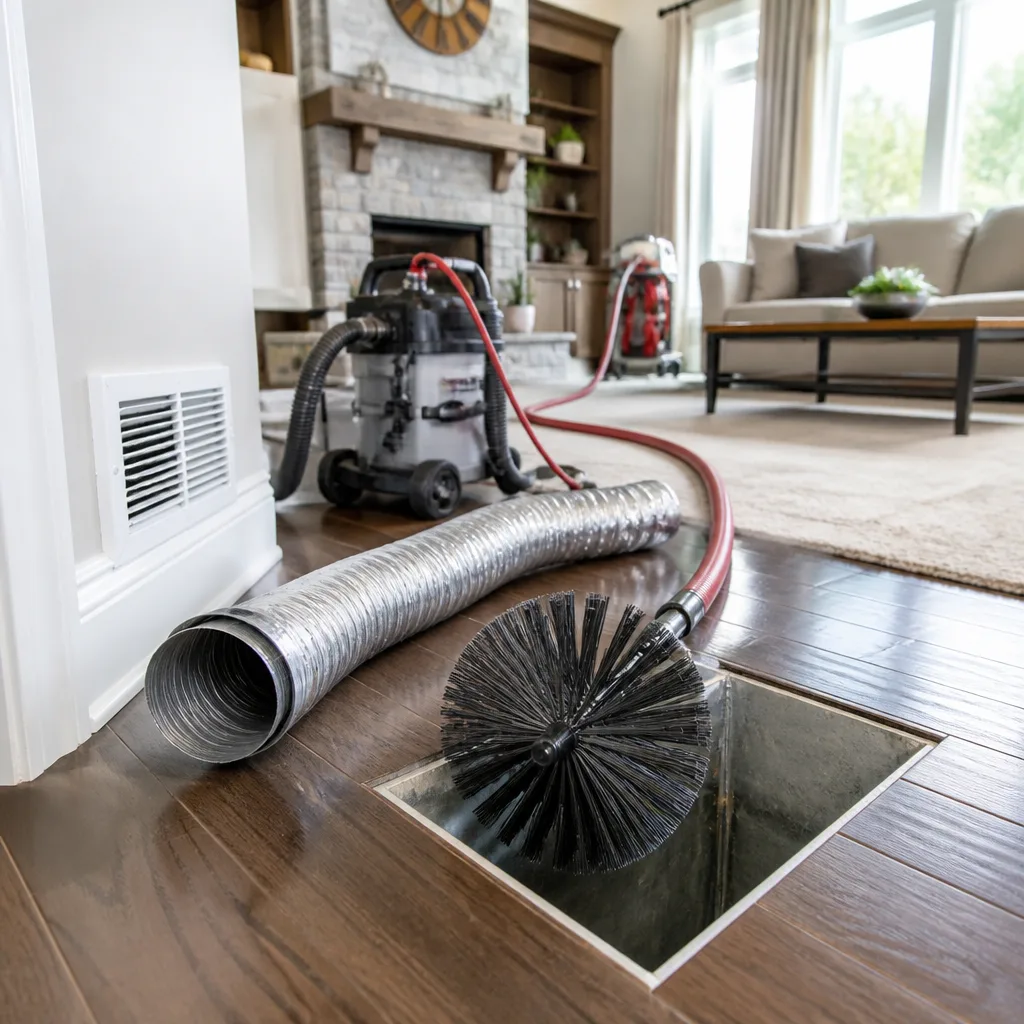
- Whole-home duct cleaning
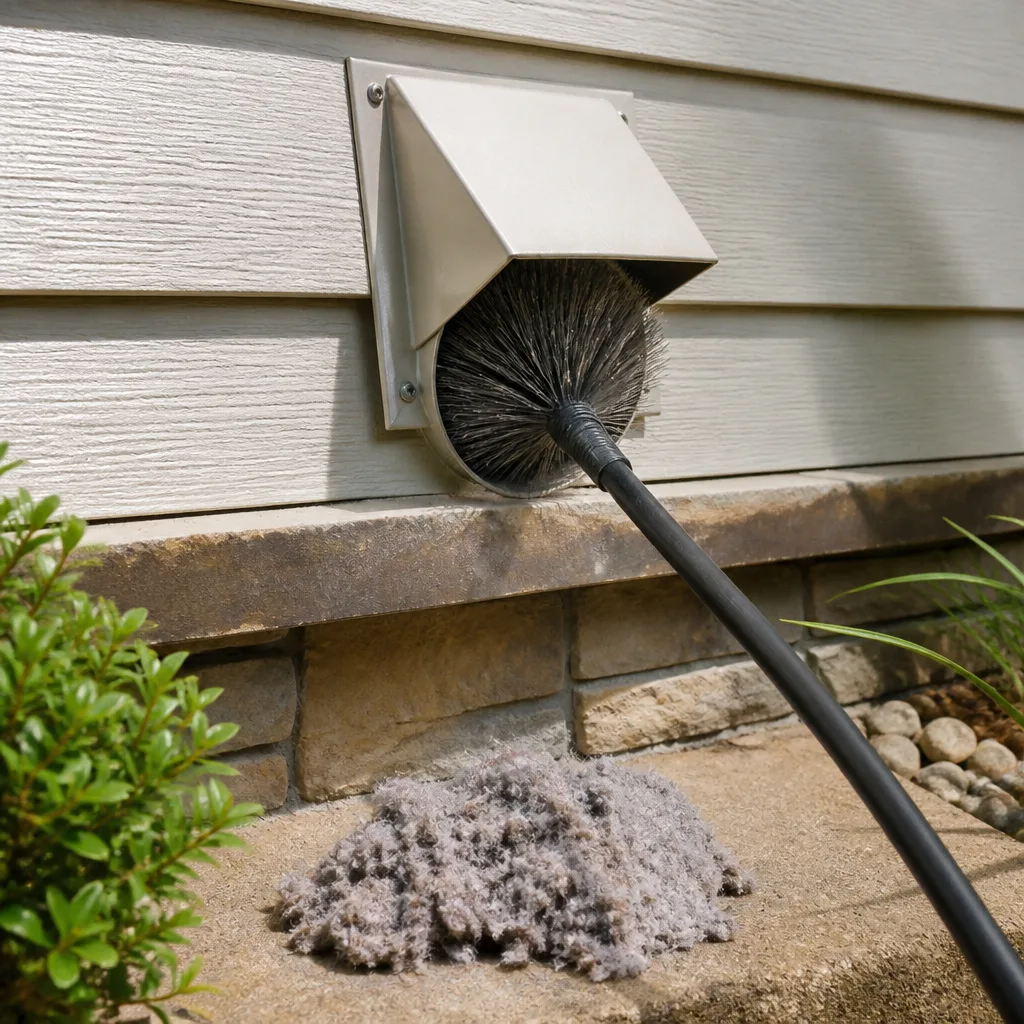
- Dryer vent cleaning
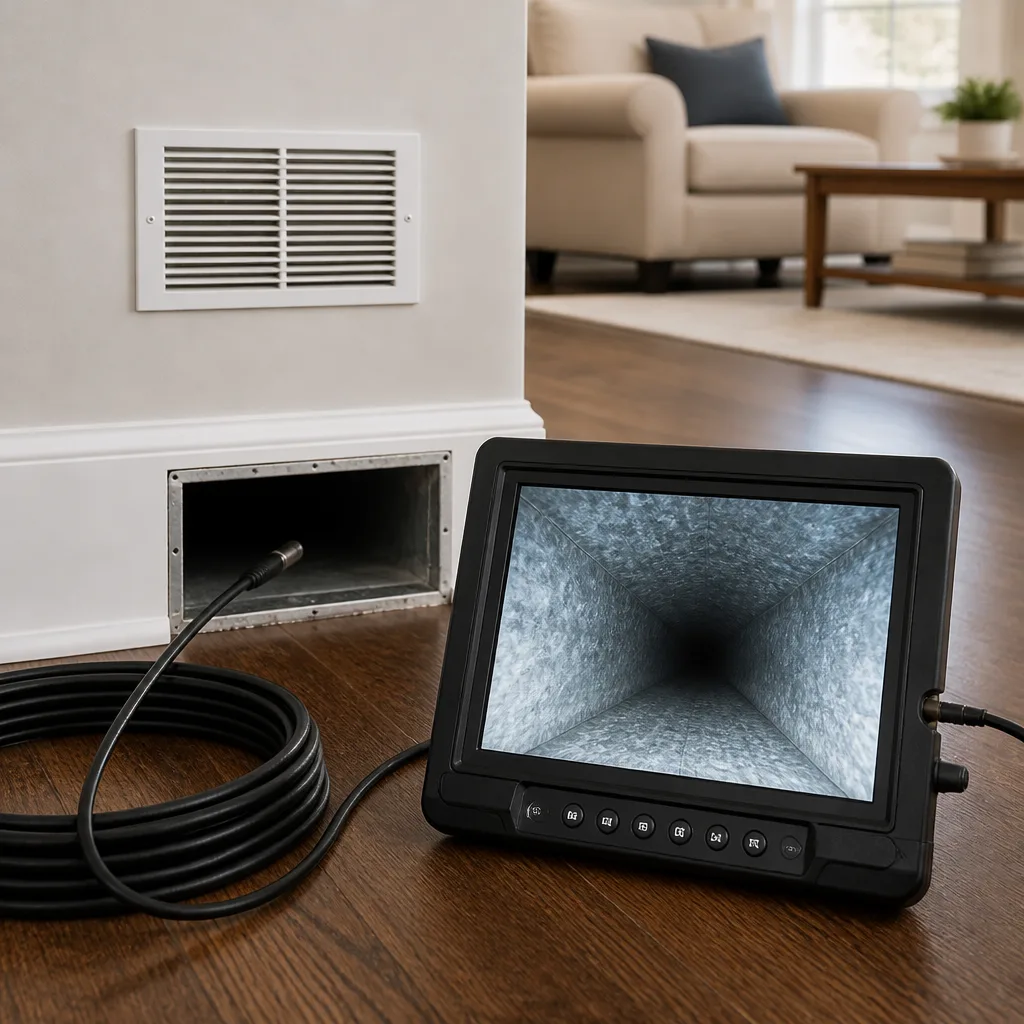
- Camera inspection
- Sanitizing & deodorizing
Table of Contents
- Why negative pressure is the whole ballgame
- What you can actually do yourself in Anaheim Colony
- What DIY duct cleaning cannot accomplish
- Where DIY attempts go wrong in Anaheim Colony homes
- The middle ground: maintenance between cleanings
- The honest cost comparison
- Whole-system thinking: cleaning, sealing, and repair
- How to choose a professional in Anaheim Colony
Why Negative Pressure Is the Operative Mechanism in Professional Duct Cleaning
Most people think a duct cleaning is performed by the brush. It isn’t. The brush agitates debris off the duct wall, but the machine that matters is the one pulling air out of the system at the same time. That’s negative pressure, and it has to overcome both the natural resistance of the ductwork and any leaks in the system itself. When the pressure is high enough, loosened material gets captured at the source and never re-enters the living space. When it isn’t, the agitation just redistributes what was settled.
Think about what a shop vac does inside a duct run. The hose end is small, the airflow is modest, and the vacuum can only capture what passes within an inch or two of the nozzle. The rest of the duct volume, sometimes a forty- or fifty-foot run in an Anaheim Colony ranch home, sits untouched. A truck-mount system hooks up at the main trunk or through a custom access port, seals the opening, and evacuates the entire connected duct network simultaneously. That’s what “source removal” means in practical terms.
We run Rotobrush and Nikro agitation tools paired with high-capacity extraction. Those brands are specified by commercial HVAC contractors and restoration crews for the same reason: they’re designed to work as a matched system, with the brush and the vacuum coordinated so agitation happens while extraction is holding. Consumer equipment can’t replicate that coordination because it doesn’t have the airflow to begin with.
Anaheim Colony homes add a wrinkle. Many were built with duct systems routed through low attic spaces and tight wall chases, which means the ducts are shorter but more constrained. Short runs are easier to clean in theory, but the tight clearances make it harder to get a large extraction connection seated properly without disturbing adjacent ductwork. That’s why setup matters as much as the machine itself.
What You Can Actually Do Yourself in Anaheim Colony
DIY duct maintenance is real, and it’s worth an hour of your time a few times a year. Just be honest about what category of work you’re doing. These are the tasks that make a measurable difference when done correctly:
- Clean the register covers and grilles. Pull each supply and return grille, wash it in the sink with mild soap, dry it fully, and reinstall. Dust builds up on the fins and gets blown back into the room every time the system cycles. This is the single highest-value DIY task, and it’s the one most homeowners skip.
- Upgrade your return-air filter. A quality pleated filter in the return grille catches a meaningful share of airborne particulate before it ever enters the ductwork. Check your filter slot size, match the filter to the manufacturer’s recommendation for your air handler, and change it on schedule. Honeywell and Aprilaire make reliable replacement media if you’re upgrading from the fiberglass panel the builder installed.
- Do a visual inspection with a borescope camera. An inexpensive USB or Wi-Fi borescope with a flexible 10-foot lead can be fed through a register opening to look down the run. What you’ll see is instructive: light dust is normal, heavy accumulation, rodent evidence, or standing moisture is a signal that professional work is due.
- Wipe down accessible trunk-line surfaces. Where the main trunk is exposed in a garage or attic and reachable safely, a damp cloth on the exterior housing is fine. Do not open sealed trunk sections yourself.
- Keep returns unobstructed. Furniture, rugs, and storage boxes blocking return grilles starve the system and increase static pressure, which makes dust settle faster. A couple of inches of clearance on every return is the fix.
None of these tasks require any specialty equipment. All of them are safe for a careful homeowner. And together they slow the rate at which Anaheim Colony homes accumulate duct contamination, which stretches the interval between professional cleanings.
What DIY Duct Cleaning Cannot Accomplish
The gap between consumer and professional equipment isn’t a marketing claim. It’s a measurable difference in airflow, and airflow is the thing that removes debris. Here’s what falls on the professional side of the line:
- Source removal from the duct interior. Without sustained high-volume negative pressure, loosened debris has nowhere to go but back into the airstream.
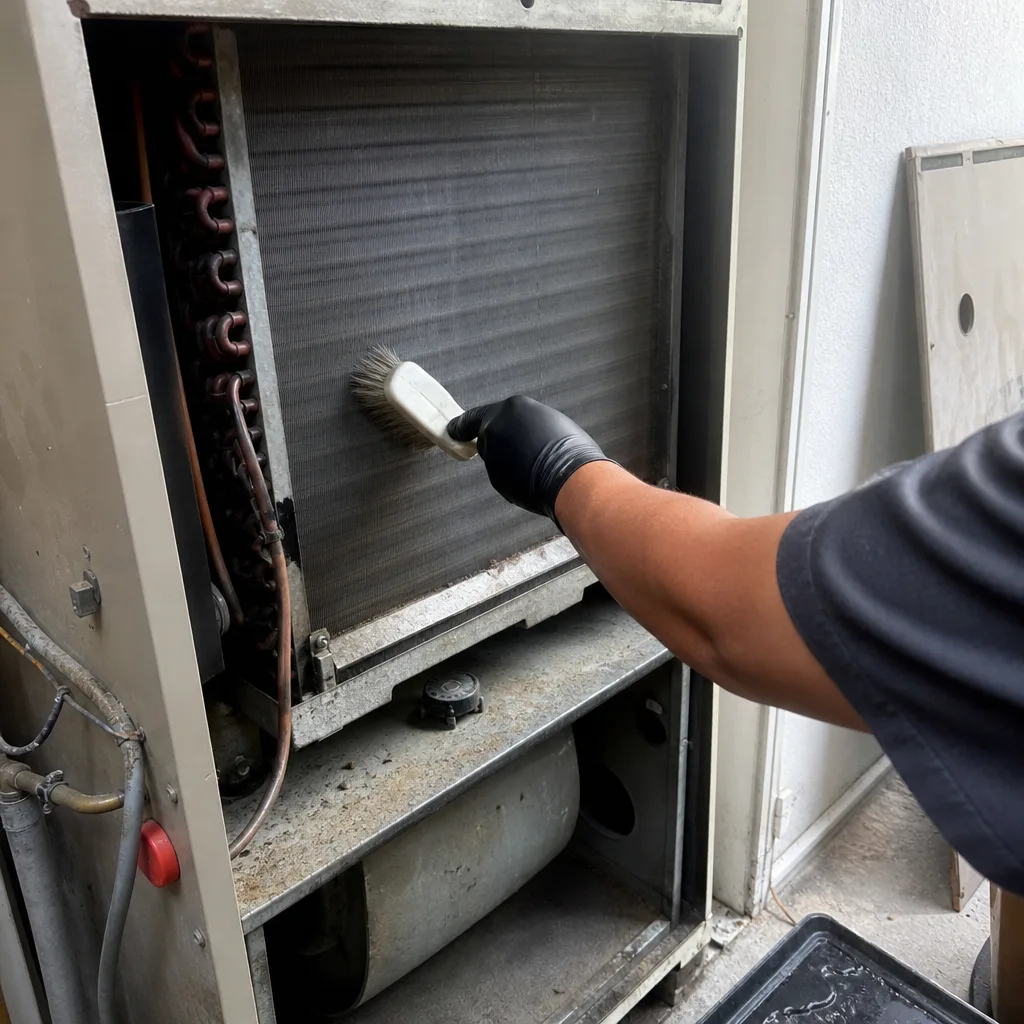
- Cleaning the air handler, evaporator coil, and blower. These components sit downstream of the ducts, and they collect dust, mold, and biofilm in ways that a register-based approach can’t reach. HVAC cleaning requires disassembly and safe handling of components that shouldn’t be touched by an untrained homeowner.
- Sanitizing with professional-grade products. Antimicrobial treatment applied under controlled conditions is a different process from spraying a consumer product into a register. We use Guardsman-grade sanitizing protocols to address microbial contamination because surface-level spraying doesn’t penetrate the duct lining the way proper application does.
- Containment during the work. Professional cleaning uses HEPA-level containment equipment from brands like Abatement Technologies so that dislodged material doesn’t become airborne in the living space. Without containment, DIY efforts can make indoor air temporarily worse.
- Detecting and repairing duct defects. A cleaning that doesn’t address disconnected joints, crushed flex runs, or gaping seams leaves the system vulnerable to re-contamination within months.
If the question is whether to clean registers yourself, the answer is yes. If the question is whether to attempt a full-system cleaning with a shop vac and a brush kit rented from a home center, the answer is that the physics don’t work. The equipment can’t remove what it can’t move.
Where DIY Attempts Go Wrong in Anaheim Colony Homes
In our experience across Anaheim Colony, DIY duct cleaning rarely causes catastrophic damage, but it does sometimes cause problems that are more expensive than the cleaning would have been. The most common failure modes are mechanical and predictable:
- Punctured flex duct liners. Stiff brush attachments on flexible drill leads can tear the inner liner of flex duct. Once the liner is compromised, the duct loses its insulation value and becomes a collection point for condensation and dust. Replacing the affected section is the only fix.
- Dislodged connections. Older Anaheim Colony homes often have duct sections joined with tape, mastic, or slip-fit fittings that have loosened over years of thermal cycling. A brush moving through the interior at speed can push these joints apart. When that happens, the system starts leaking conditioned air into the attic or crawlspace, and efficiency drops.
- Pushed debris into the air handler. A shop vac nozzle at the wrong angle can push debris downstream toward the evaporator coil. Once the coil fins are clogged, the system loses capacity and may freeze up. Coil cleaning is more involved than duct cleaning.
- Disturbed microbial growth. If there’s existing mold or fungal growth in the ductwork and it gets agitated without containment, spores can spread through the home before the work is complete. Professionals address this by ordering containment and sanitizing before any agitation happens.
- Broken boots and registers. Pulling grilles too aggressively or forcing a borescope through a tight boot can crack the fitting. These are usually fixable, but they’re a nuisance that a professional crew knows to avoid.
The pattern is consistent: the DIY attempt doesn’t fail because the homeowner isn’t careful. It fails because the tools aren’t matched to the environment. The same brush that seems harmless in an open trunk line can tear a flex run in seconds.
The Middle Ground: Maintenance Between Professional Cleanings
Most Anaheim Colony households don’t need a duct cleaning every year. The realistic interval is six to twelve months of active maintenance between professional service visits, with the actual cleaning on a longer cycle that depends on the system, the home, and the household. Here’s what the 6-to-12-month maintenance window looks like in practice:
- Monthly: Check the return filter. If it’s visibly gray or loaded, replace it. In dusty seasons or during wildfire smoke events, check more often.
- Quarterly: Remove and wash all supply and return register covers. Wipe the visible duct throat behind each grille with a damp cloth.
- Quarterly: Run a borescope inspection through one supply register and one return register to check for new accumulation or moisture.
- Twice a year: Wipe down the exterior of any accessible trunk lines in the garage or attic. Check the visible duct insulation for tears or worn tape.
- Annually: Have dryer vent cleaning performed as a separate fire-safety task, since lint accumulation in the dryer exhaust is a distinct hazard from duct dust and deserves its own schedule.
- Ongoing: Keep return grilles unobstructed, and note any rooms that feel warmer or cooler than the rest of the house. Uneven temperatures often signal a leak that needs repair.
This schedule delays the inevitable professional cleaning, but it doesn’t eliminate it. Even the most diligent homeowner can’t extract settled debris from the duct interior. What they can do is keep the system from loading up faster than it needs to.
The Honest Cost Comparison
The cost comparison between DIY and professional duct cleaning isn’t $0 versus a professional price. That framing hides the real math. A homeowner attempting a DIY cleaning spends money on equipment, spends a weekend of their time, and runs a meaningful chance of leaving the job incomplete, which means the professional cleaning still happens later. Here’s what the honest comparison looks like when you line up the actual inputs:
| Approach | What You Spend | What You Get |
|---|---|---|
| DIY register and filter maintenance | Under $50 in filters and cleaning supplies per year | Reduced dust load entering the system; extended cleaning interval |
| Consumer shop vac plus rented brush kit | $60 to $150 for equipment or rental | Surface agitation of the accessible duct sections; debris often redistributed rather than removed |
| Professional full-system cleaning | Typically several hundred dollars per system, set by written estimate | Source removal under high-volume negative pressure, containment, sanitizing, and inspection |
| Duct repair and sealing | Quoted separately based on scope | Leaks closed; the cleaned system stays clean and efficient |
What the table can’t capture is the probability of incomplete extraction, which is the real cost of a DIY attempt. A homeowner who spends a Saturday on a shop vac cleaning often finds that dust returns within weeks, because nothing was actually carried out of the system. That experience drives the call to a professional anyway, just later. The two-hundred-dollar shop vac is now sunk cost, and the professional cleaning still has to happen.
On the professional side, one flat price per system agreed before work starts is the fair structure. Anyone quoting per-vent pricing, or offering a teaser rate that grows once the technician is on site, is running the model our industry earned its bad reputation from. Ask for before-and-after photos of your own ducts. Ask for a written scope. Those two requests separate honest providers from the ones who count vents instead of cleaning them.
For pricing, we give every Anaheim Colony homeowner a written estimate before any work starts, and the estimate sets the final price. Call (844) 625-7366 to schedule one. Estimates are free.
Whole-System Thinking: Cleaning, Sealing, and Repair Together
Duct cleaning in isolation has a limited shelf life. If the ductwork has leaks, and many Anaheim Colony homes built decades ago do, then the freshly cleaned system starts pulling attic or crawlspace air back in within weeks. That’s why the professional service providers who get good long-term results treat cleaning, sealing, and repair as a connected scope rather than three separate services.
What a whole-system approach looks like:
- Diagnosis first. A walkthrough identifies the duct route, system layout, filter type, and any visible defects. Borescope inspection covers the sections that can’t be seen from a register.
- Cleaning second. Rotobrush and Nikro agitation plus high-flow extraction under containment removes what’s accumulated.
- Sanitizing third. Guardsman-grade protocols address any microbial contamination the cleaning exposed.
- Repair and sealing fourth. Loose joints are reconnected, tears in flex duct are replaced, and sealing tape or mastic is applied at any gap that was found. This is the step that makes the cleaning persist.
- Filtration upgrade last. Honeywell and Aprilaire products can raise the baseline filtration so the next accumulation cycle is slower.
We repair what we find, not just report it. That’s a meaningful distinction in the Anaheim Colony market, where some cleaning companies hand you a list of defects they noticed and leave the repair to someone else. The handoff gap between the cleaner and the repairer is where a lot of cleanings quietly fail. We handle the full scope in one visit because it’s the only way to guarantee the cleaned system stays clean.
If you find that the discussion has drifted to air duct cleaning while you were curious about a specific room, that’s usually the right instinct. A single room that’s consistently warmer or cooler than the rest of the house is often a leak symptom, and the cleaning is the answer after the repair.
How to Choose a Professional Duct Cleaning Provider in Anaheim Colony
Once you’ve decided that professional work is warranted, the next question is how to sort the providers. The good news is that the questions are simple. The bad news is that the answers sort the field quickly.
- Ask what equipment they use. If the answer is “professional truck-mount” without specifics, ask for the brand. Rotobrush and Nikro are industry benchmarks for a reason, and a provider who uses them will name them without hesitation.
- Ask whether containment is used. Cleaning without containment agitates more contaminant into the home than it removes. Abatement Technologies-grade equipment is standard for a job done properly.
- Ask whether they repair what they find. A provider who cleans but can’t seal or replace defective sections is leaving half the work for someone else. Duct repair and sealing capability is a real differentiator.
- Ask how pricing works. One flat price per system, agreed before work starts, is the fair structure. Per-vent pricing and teaser rates are the model to avoid.
- Ask for before-and-after photos of your own ducts. Not stock photos. Yours. If a provider can’t produce them, the work isn’t verifiable.
- Ask about sanitizing. Cleaning without sanitizing leaves microbial growth that the cleaning exposed. A complete scope includes both.
- Confirm licensing and insurance. The local pro should be licensed and insured as their state requires; ask for documentation without embarrassment.
Our technicians have up to 9 years of experience with this equipment and these systems. That experience shows up in how a job is scoped: a good technician will tell you what doesn’t need work as readily as what does. If you’re in a newer Anaheim Colony home with a tight, recently installed duct system, you may not need the full scope. If you’re in an older home that’s never had the ducts cleaned, you probably do. A written estimate tells you which side you’re on.
Common Mistakes to Avoid
- Assuming a shop vac can match truck-mount airflow. The gap is roughly two orders of magnitude. Consumer equipment cannot generate the negative pressure required for source removal, and no amount of patience makes up the difference.
- Using stiff brush attachments inside flex duct. Flex duct liners tear easily, and a torn liner means the section needs to be replaced. Never force a brush through a run you can’t see.
- Skipping the register and filter maintenance because the professional cleaning is scheduled. The maintenance is what stretches the interval between cleanings. Skipping it shortens the cycle and gets expensive.
- Choosing a provider on price alone. A low teaser rate is often the setup for a much larger invoice once the technician is on site. The flat-price-per-system model with a written scope is the alternative to shop for.
- Cleaning without sealing the leaks. A cleaned system with leaking joints re-contaminates faster than a barely-cleaned one with sealed joints. Repair is part of cleaning, not a separate project.
- Ignoring the dryer vent. Dryer vent cleaning is a fire-safety service independent of duct cleaning. The NFPA links dryer-related home fires directly to lint accumulation, and the vent doesn’t get cleaned as a natural byproduct of duct work.
- Waiting for visible dust at the registers before cleaning. By the time dust is visible at a grille, the interior of the duct is usually more heavily loaded than the register suggests. Borescope inspection gives a clearer picture than a grille check.
See the difference
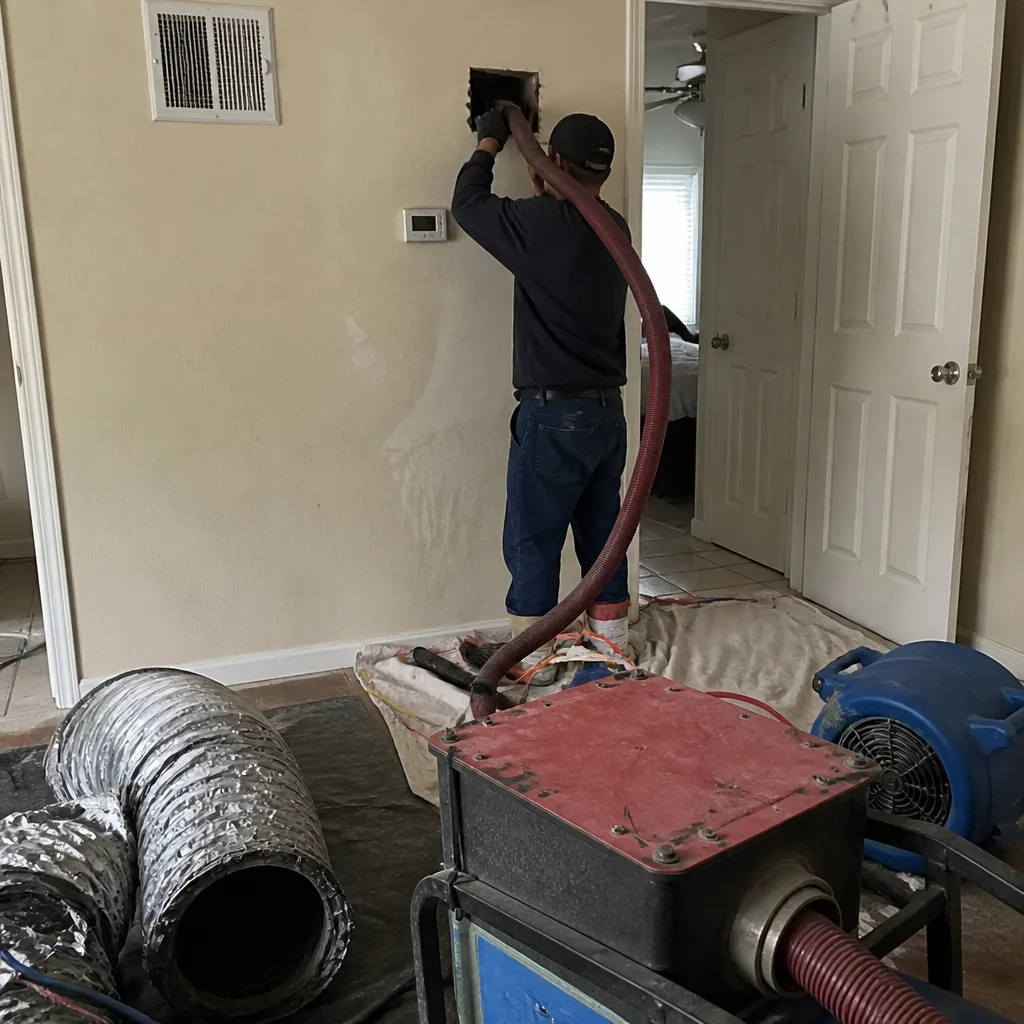 Before
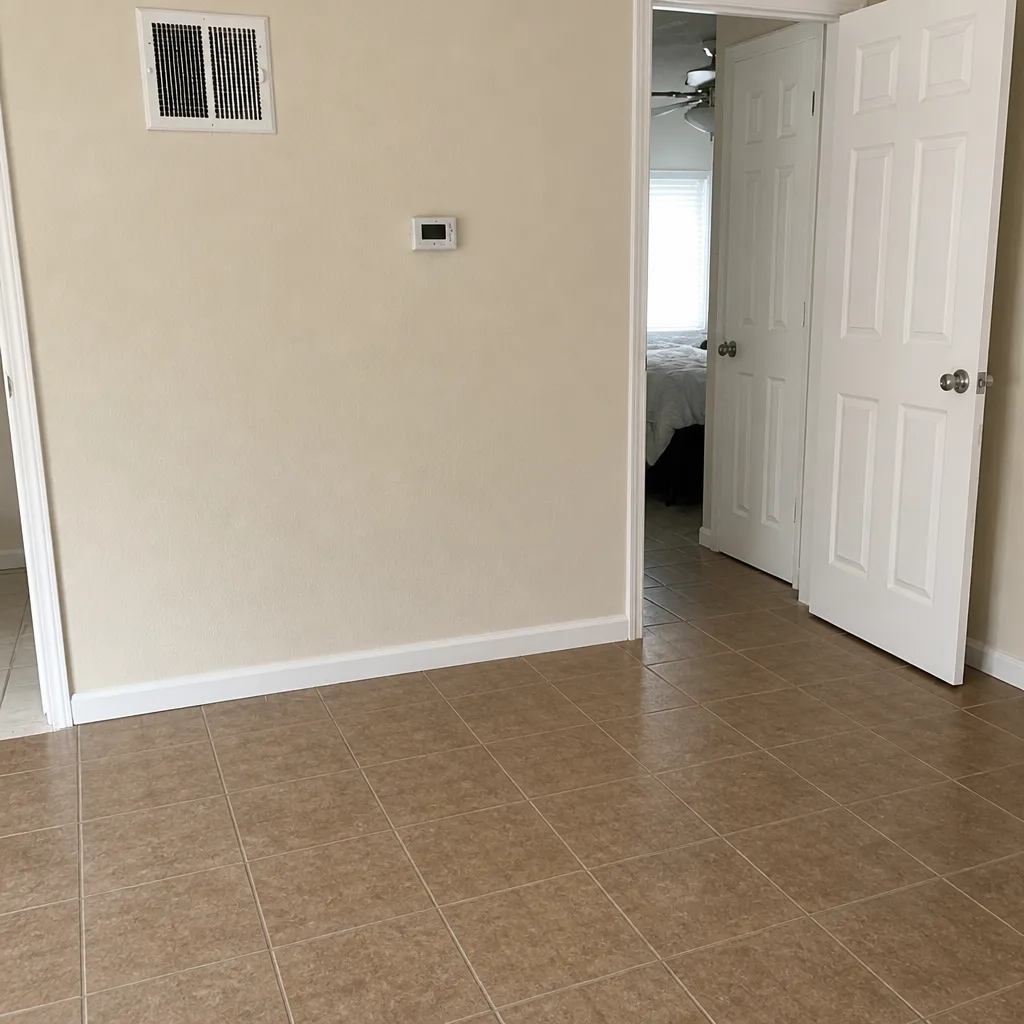 After
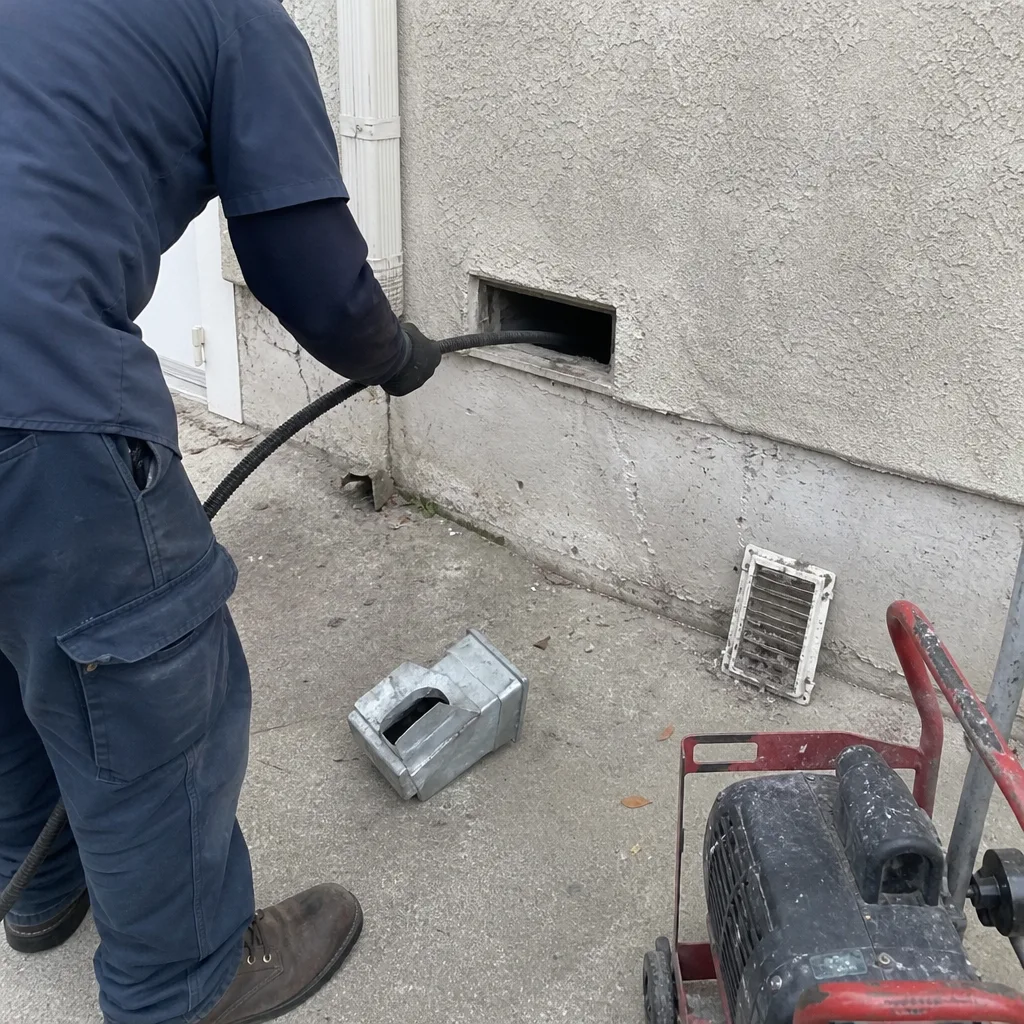 Before
 After
 Before
 After
When to Call a Professional
Certain conditions push a duct system from “maintenance” to “professional cleaning needed now.” If you can see visible mold growth inside a register or on the duct interior, that’s a call. If a borescope inspection shows heavy accumulation, rodent evidence, or standing moisture in a run, that’s a call. If the home has been through a renovation that generated significant dust and construction debris while the HVAC was running, that’s a call. If anyone in the household has asthma or significant allergies and symptoms are worsening indoors, that’s worth investigating professionally. And if you’ve recently bought an Anaheim Colony home and don’t know the cleaning history of the system, an inspection-then-clean approach is the safe default.
Air Duct Cleaning Anaheim Colony offers free estimates in Anaheim Colony. Call (844) 625-7366. We answer 24/7. Fast dispatch from 7am to 7pm, Sunday through Friday. A call outside dispatch hours is booked into the next opening, Sunday through Friday, 7am to 7pm.
Frequently Asked Questions
Air duct cleaning in Anaheim Colony is typically quoted as one flat price per system, set by written estimate after a walkthrough. The range depends on the number of systems, the complexity of the duct route, and whether repair or sanitizing is included. We don’t quote per-vent pricing, and we don’t run teaser-rate coupons. Call (844) 625-7366 to schedule a free estimate; the written estimate sets the final price.
You can clean registers, grilles, and the visible throat behind each register with a shop vac, and that work is worth doing. You cannot clean the interior of the ductwork with one, because the airflow is roughly 60 to 80 CFM against the 12,000 to 16,000 CFM a truck-mount system generates. The gap isn’t closable with consumer equipment. Call (844) 625-7366 if you want an honest assessment of what your system needs.
Cheap quotes usually reflect a different scope, not a better deal. Some are teaser rates that grow into a larger invoice once a technician is on site, and some are per-vent pricing that ends up more expensive than a flat system price. Others skip containment, sanitizing, or repair, which means the cleaning doesn’t hold. Ask for a written scope and a flat price per system before any work starts. Call (844) 625-7366 for a written estimate.
Ask for before-and-after photos of your own ducts, not stock photos. Borescope images before and after the cleaning are the clearest proof that the interior state changed, and a reputable provider produces them without being asked twice. Call (844) 625-7366 to schedule a cleaning with photo documentation.
For most Anaheim Colony households, a professional cleaning every few years is the realistic cadence, with register and filter maintenance in the six to twelve months between visits. Homes with pets, allergy-sensitive occupants, recent renovation dust, or a heavy dust environment benefit from a shorter interval. A free estimate walkthrough gives you a more specific answer for your home. Call (844) 625-7366.
Duct cleaning can reduce the reservoir of dust, pollen, and microbial material that a system recirculates, which helps some households with allergy or asthma concerns. It’s part of a broader indoor-air strategy that includes proper filtration and, where appropriate, sanitizing. If allergy symptoms are part of why you’re considering cleaning, ask about the full scope during the estimate. Call (844) 625-7366 to talk through your household’s situation.
Professional cleaning shouldn’t damage a properly installed system, but DIY attempts sometimes do, mostly through torn flex duct liners or dislodged connections. The agitation tools professionals use are designed to work with containment and extraction so that debris gets captured, not redistributed. If you’re unsure whether your ductwork has vulnerable sections, a walkthrough during the estimate will usually reveal them. Call (844) 625-7366 to schedule.
The Bottom Line
The DIY duct cleaning question comes down to physics. Consumer equipment can’t generate the negative pressure required to remove settled debris from the interior of a duct system, so a shop vac cleaning stirs up what’s there rather than carrying it out. Register and grille cleaning, filter upgrades, borescope inspections, and accessible trunk wipe-downs are worth doing yourself, and they extend the interval between cleanings. But the full-system work belongs to a truck-mount system, a containment setup, and a technician trained on both. Our technicians have up to 9 years of experience with the equipment and the scope of work involved. One flat price per system, agreed before work starts, is the fair structure, and before-and-after photos of your own ducts are the only real proof of a job well done. For Anaheim Colony homeowners who want an honest assessment, the free estimate is the place to start.
Air Duct Cleaning Anaheim Colony handles the full scope of indoor-air work: duct cleaning, dryer vent cleaning, HVAC cleaning, duct repair and sealing, and air quality sanitizing. If you’ve read this far and you’re still not sure which side of the line your home is on, call (844) 625-7366. We answer 24/7. Fast dispatch from 7am to 7pm, Sunday through Friday. A free estimate will tell you what your system actually needs.
Written by the team at Air Duct Cleaning Anaheim Colony.