
Last updated November 25, 2026
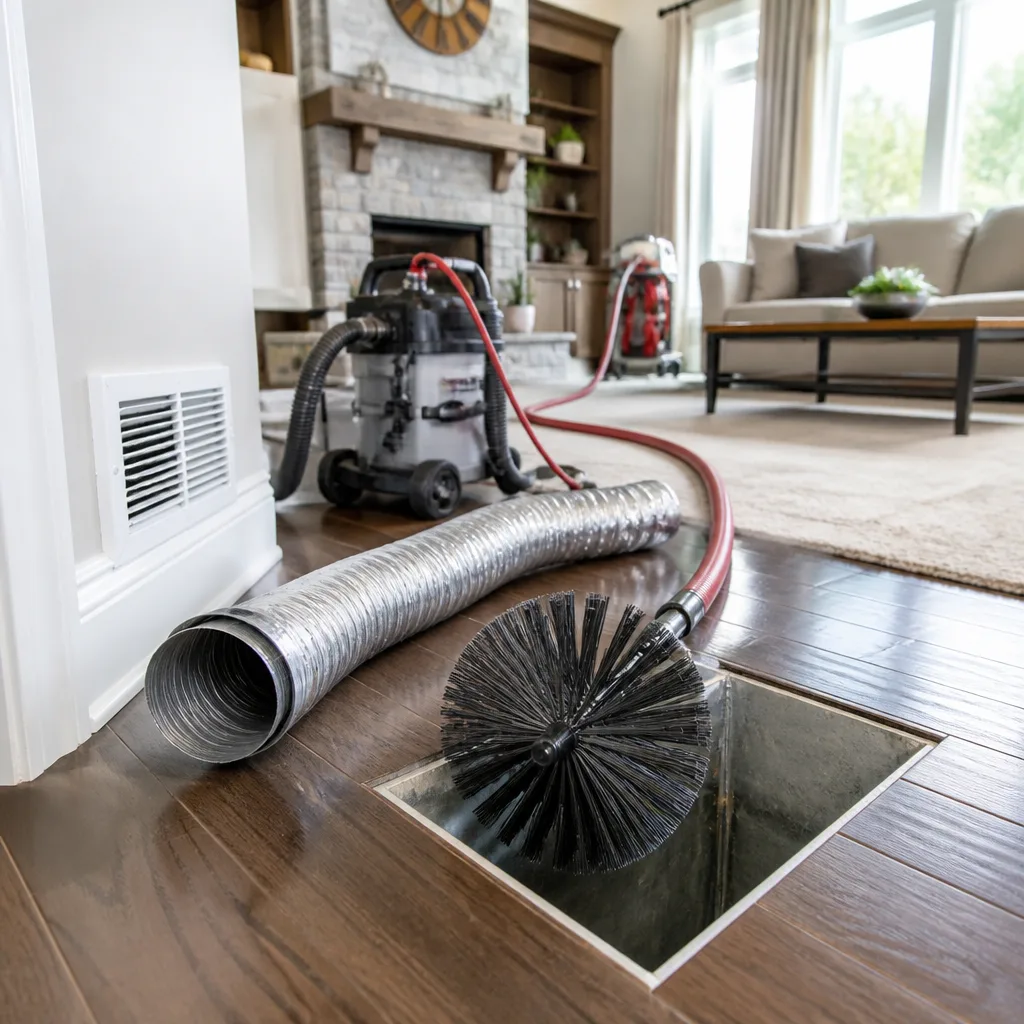 Whole-home duct cleaning
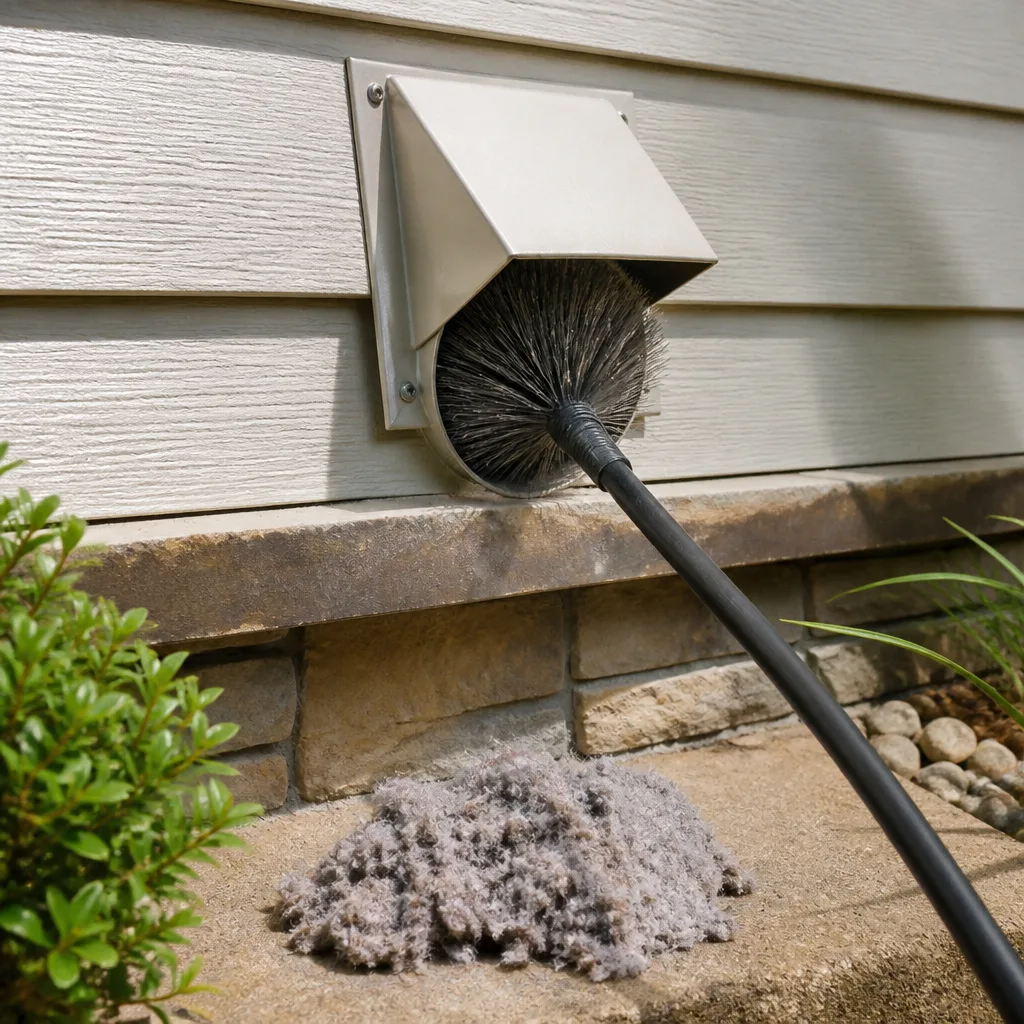 Dryer vent cleaning
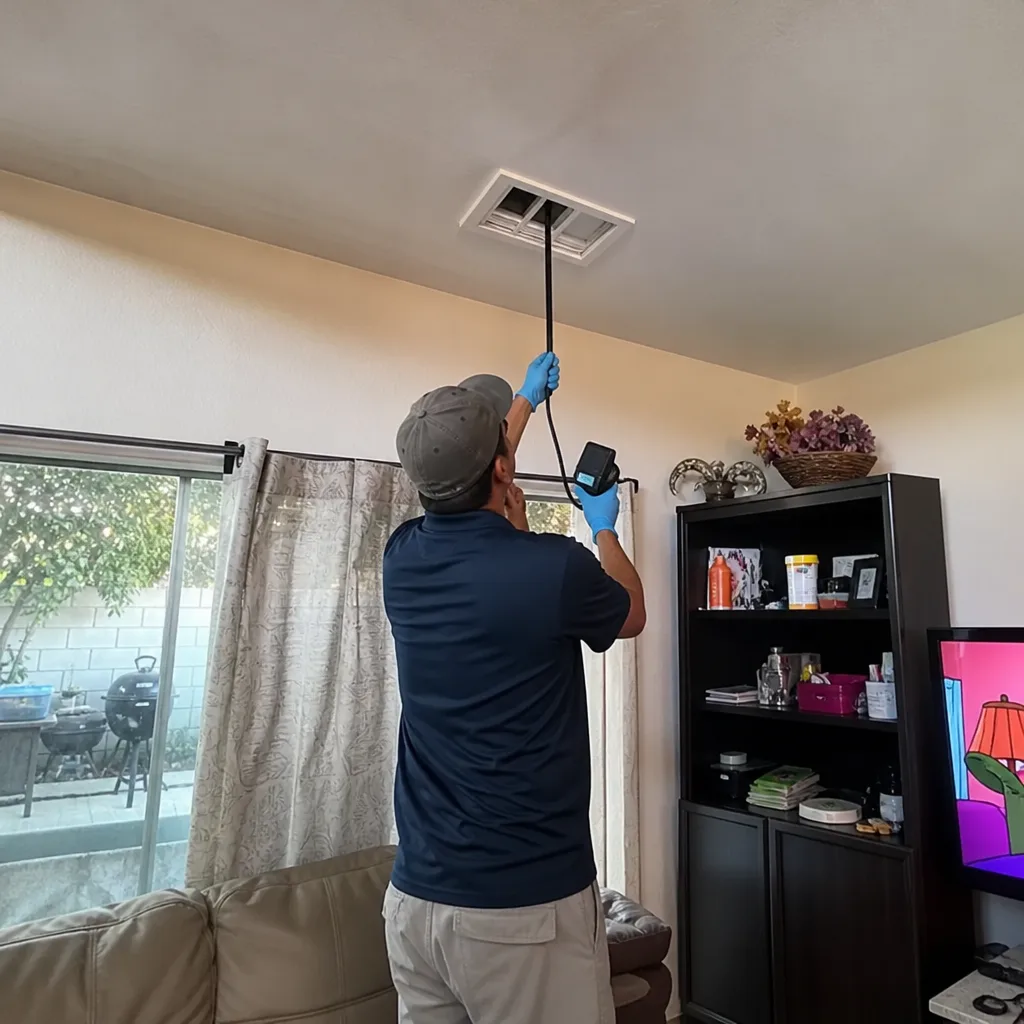
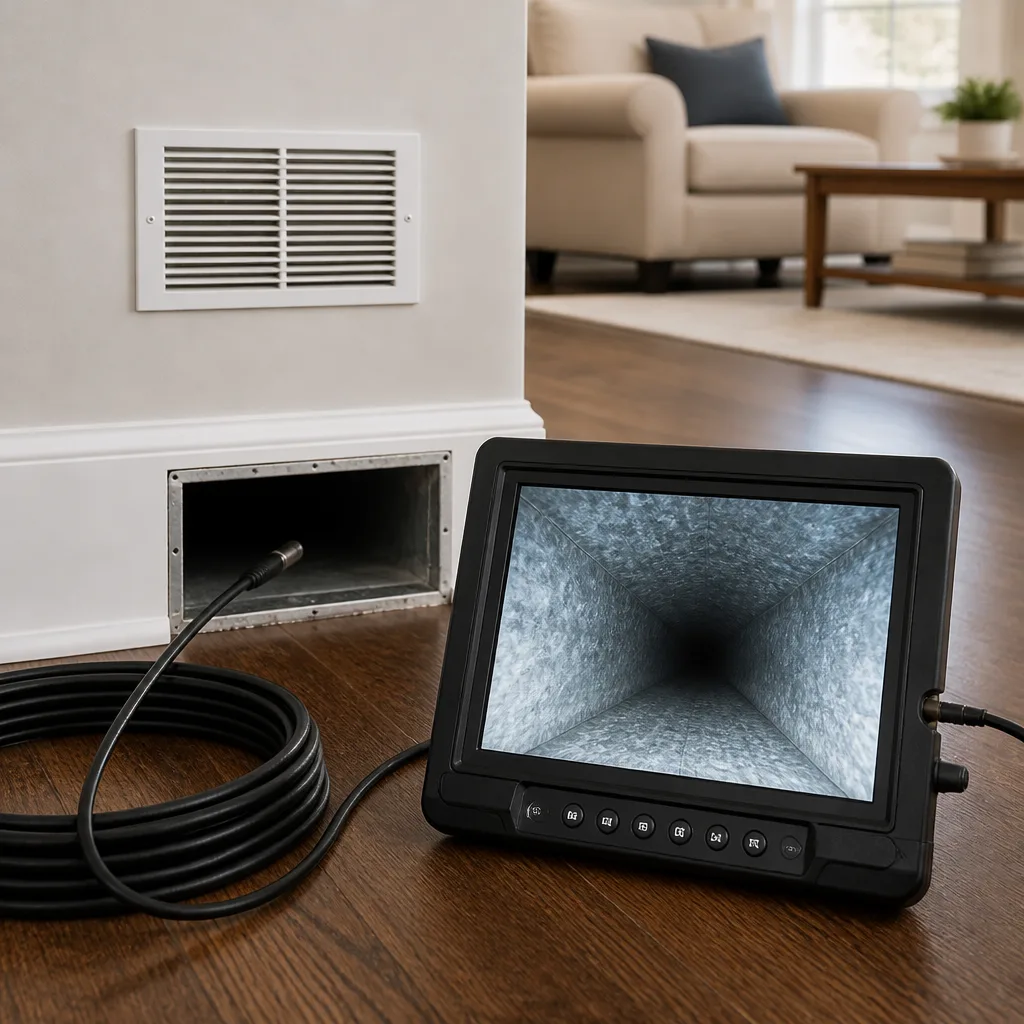 Camera inspection
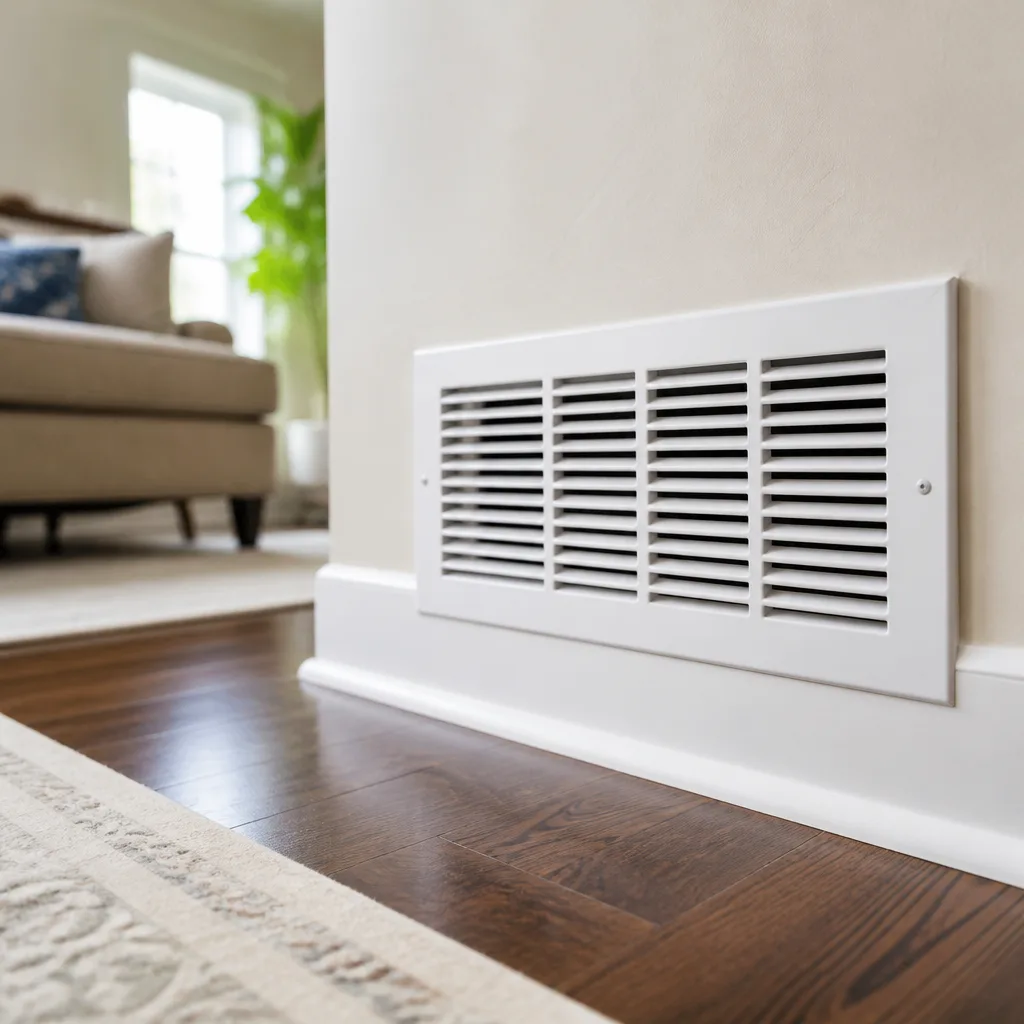 Sanitizing & deodorizing
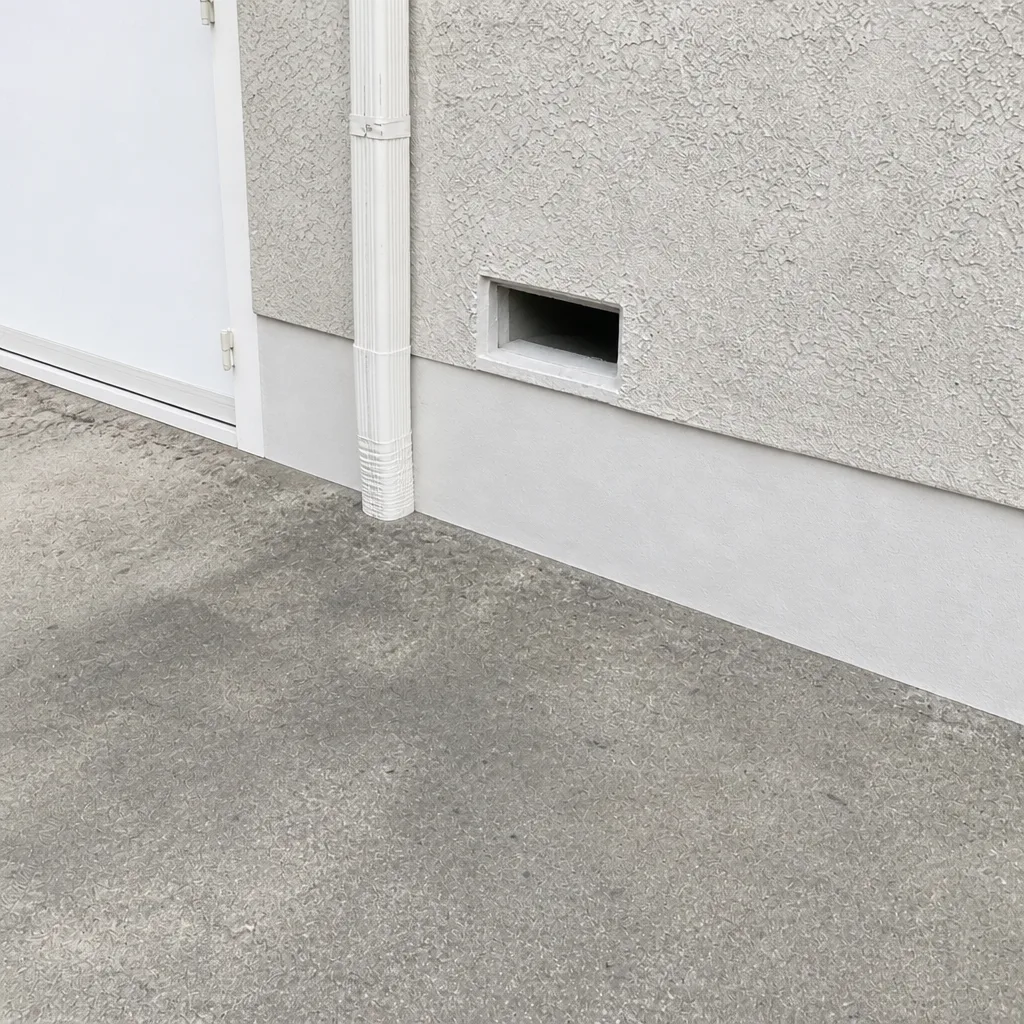
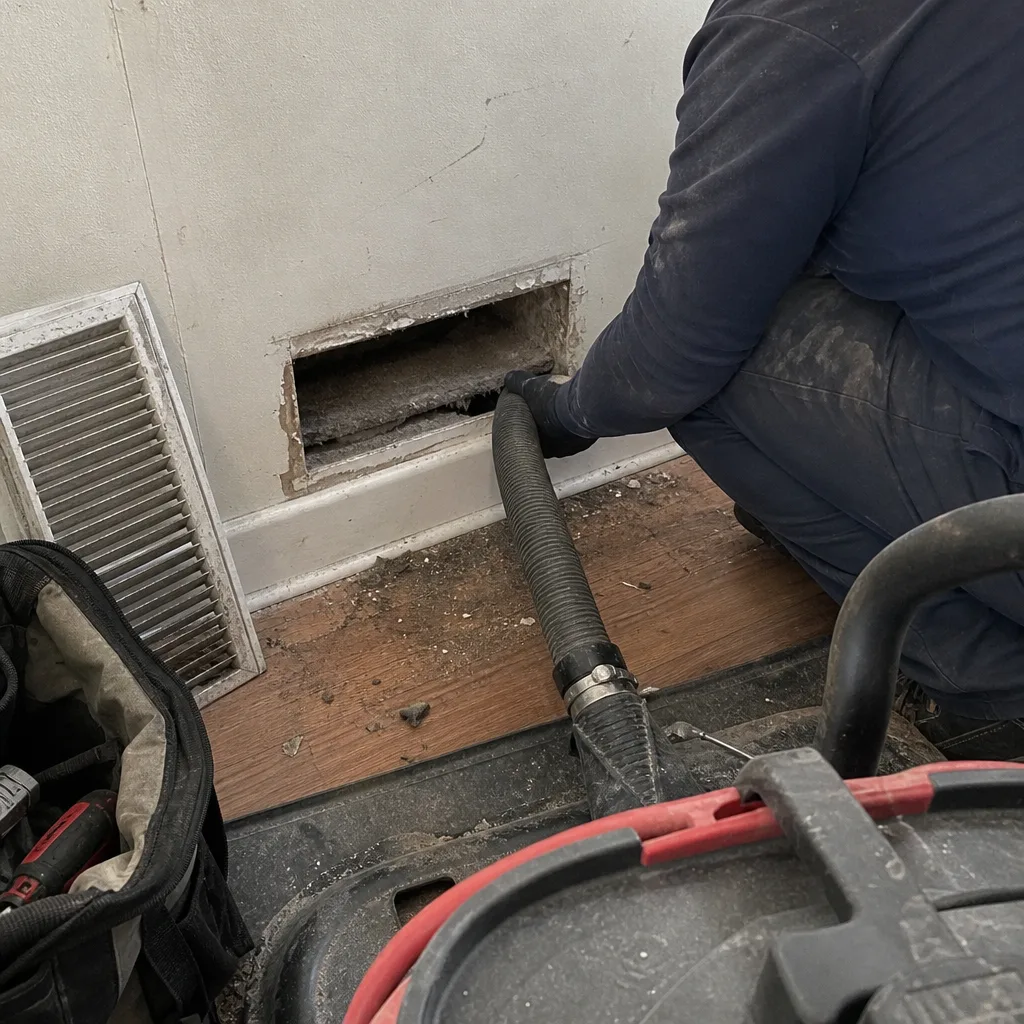
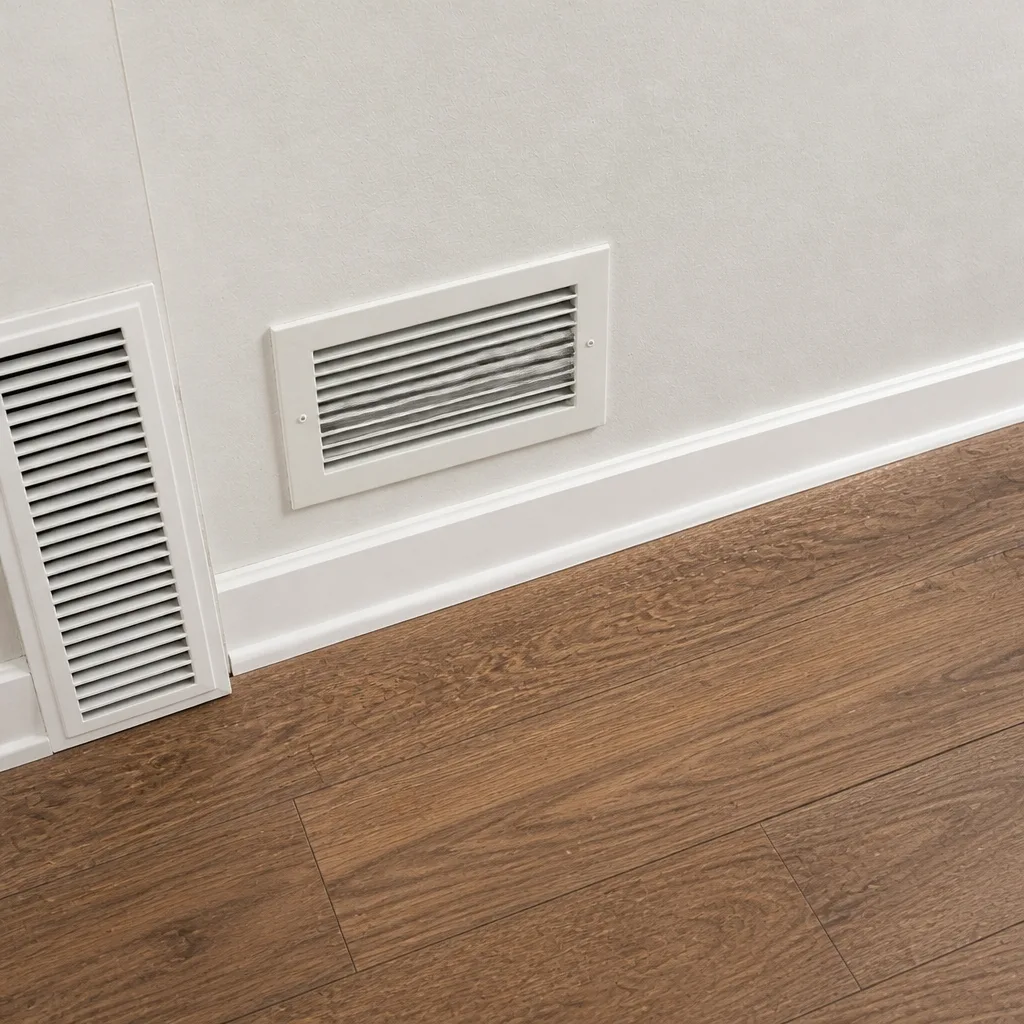
Whole-system duct and dryer vent check with before-and-after photos - you see exactly what came out of your vents
That "$99 whole-house special" is a bait ad - the real number appears once they are in your hallway, or the "clean" is a shop-vac at the register. We photograph the inside of your ducts before and after instead.
Air Duct Cleaning Emergency Preparedness Guide for Anaheim Colony Homes
Most homeowners treat duct cleaning as something they schedule after they notice a problem. With wildfire smoke, that order is backwards. By the time you smell smoke indoors, the particles that matter most have already moved through the filter, settled into duct liner, and started recirculating every time the system cycles. The time to harden a duct system in Anaheim Colony is before fire season, not during a smoke event when every crew in the region is booked. This guide walks through pre-event preparation, what to do while the air outside is bad, and the post-event inspection sequence that tells you whether routine cleaning is enough or whether the system needs remediation. It’s built around how HVAC systems actually behave during air quality emergencies, not around general cleaning advice.
Quick Answer
Preparing an Anaheim Colony home’s ducts for a wildfire smoke emergency means three things: upgrade to a high-MERV filter before fire season, seal the return air path so smoke can’t bypass the filter, and decide in advance when you’ll shut the HVAC off entirely versus run it on recirculation. After a smoke event, have the duct system inspected for ultrafine particle penetration before you assume a standard cleaning will do the job.
Styles & brands we work with
- Whole-home duct cleaning
- Dryer vent cleaning
- Camera inspection
- Sanitizing & deodorizing
Table of Contents
- Why the Duct System Is the Weak Point in a Smoke Event
- Pre-Event Hardening: What to Do Before Fire Season
- During the Event: When to Run the HVAC and When to Shut It Off
- The Filter Upgrade Myth and What Actually Works
- Post-Event Inspection Sequence
- What to Request From a Contractor After Smoke Remediation
- Integrating Duct Prep Into Your Home Emergency Plan
- Common Mistakes to Avoid
Why the Duct System Is the Weak Point in a Smoke Event
Here’s the part that surprises people. During a heavy smoke event, an unsealed home with the HVAC running can end up with indoor particle concentrations that are worse than what’s measured outside. The system is doing exactly what it was designed to do – moving a large volume of air through the house – but it’s pulling that air through leaky returns, gaps at the air handler, and loose duct joints before any filter gets a chance to catch it. The ducts become a concentrator, not a filter.
Anaheim Colony homes sit in a region where wildfire smoke intrusion is a documented seasonal risk. That risk doesn’t come from flames nearby. It comes from smoke plumes that travel miles and settle into valleys and neighborhoods, often on days when the sky looks only slightly hazy. The particles that cause the most trouble are the smallest ones, and those are the ones a standard fiberglass filter was never built to stop. They pass through, ride the airstream, and deposit on duct walls and liner where they stay long after the outdoor air clears.
What makes this an emergency-preparedness issue rather than a cleaning issue is timing. A duct system sealed and filtered before smoke season behaves very differently from one that isn’t. And a duct system that took in smoke during an event needs a different level of service than one that simply accumulated ordinary household dust. Knowing which situation you’re in is the whole point of planning ahead.
- Leaky return ducts pull unfiltered air from attics, garages, and crawl spaces.
- Gaps at the air handler and plenum bypass the filter entirely.
- Ultrafine particles penetrate deeper into duct liner than visible dust does.
- Once deposited, particles re-suspend every time the blower runs.
Pre-Event Hardening: What to Do Before Fire Season
The work that protects an Anaheim Colony home during a smoke event happens in the weeks before fire season, not the day the sky turns orange. Hardware stores sell out of filters fast once a plume is visible on the news. Book the prep work early and you’ll have options.
- Confirm your filter slot can take a higher-MERV filter. Most residential return grilles and air handlers accept a filter upgrade within a range, but the blower has to be able to handle the added static pressure. Check the filter size, note the highest MERV rating your system’s manufacturer lists as acceptable, and don’t exceed it.
- Inspect the return air path for gaps. Look at the return plenum where it meets the air handler, the filter slot frame, and any accessible return duct joints. Smoke doesn’t need a big opening – pinholes and unsealed seams are enough.
- Have accessible duct joints sealed. Duct repair and sealing closes the gaps that let smoke bypass filtration. This is a separate service from cleaning and it’s the step most homeowners skip. If you use air duct cleaning as your starting point, ask specifically whether sealing is included or offered alongside it.
- Decide your shut-off criteria in advance. Write down the outdoor air quality threshold at which you’ll turn the system off entirely. You won’t want to be making that call in the middle of an event.
- Set up a clean room. Pick one room to seal off with weatherstripping and a portable air purifier running on high. This is where the household sleeps if the smoke event is prolonged.
- Photograph your system as it is now. Filter size, filter slot, visible duct runs, air handler model. You’ll want these for a contractor conversation later.
If your home has never had the ducts inspected, this pre-season window is also the right time for a baseline look. Our technicians have up to 9 years of experience reading residential duct systems, and the pre-season inspection is where most of the important findings come out – not during a crisis.
During the Event: When to Run the HVAC and When to Shut It Off
This is the decision homeowners get wrong most often. The instinct is to shut everything off and wait. That’s not always the right call. It depends on what shape your system is in and whether the outdoor smoke is heavy or light.
If the ducts have been sealed and a proper filter is in place, running the system on recirculation with the fresh air intake closed can help by continuously filtering the indoor air. If the ducts are leaky or the filter is a basic fiberglass panel, running the system pulls smoke into the house through the gaps and distributes it. In that case, turning the system off entirely is the safer choice until the outdoor air clears.
Recirculation mode is not a filter. It stops the system from drawing in outdoor air, which helps, but it doesn’t remove what’s already inside. It reduces the rate of new smoke entering; it doesn’t clean the air you have. A standalone HEPA purifier in the room you’re occupying does more for indoor particle counts during an event than recirculation alone.
- Heavy smoke, sealed ducts, upgraded filter: run on recirculation, filter indoor air, seal windows and doors.
- Heavy smoke, leaky ducts or basic filter: shut the system off and use a standalone purifier.
- Light smoke, any system: running with a proper filter is generally fine; monitor indoor air quality.
- Visible ash outside: close fresh air intakes, seal the house, and avoid running bathroom and kitchen exhaust fans that pull air from outside.
If you’re not sure which category your Anaheim Colony home falls into, that’s a sign the pre-event inspection hasn’t happened yet. HVAC cleaning and inspection together give you a clear baseline, and any competent contractor can tell you in one visit whether the system is sealed well enough to run during smoke. Call (844) 625-7366. We answer 24/7. Fast dispatch from 7am to 7pm, Sunday through Friday.
The Filter Upgrade Myth and What Actually Works
Upgrading the filter is the most-repeated advice during smoke events, and it’s only half right. A higher-MERV filter catches more particles, but it can’t catch what flows around it. In a lot of Anaheim Colony homes, the air that reaches the filter slot is only a fraction of the air the blower is moving, because the return path is pulling from leaks downstream of the filter.
What actually works is closing those leaks first. The filter does its job once the air is forced through it. Sealing the return air path and the air handler cabinet means the filter sees the air it’s supposed to filter. That’s a duct repair and sealing job, not a filter swap.
Second, the filter needs to be the right one for the system. A filter that’s too restrictive starves the blower and can cause the evaporator coil to ice over in cooling weather. Stick to the highest MERV rating the equipment manufacturer lists as compatible. If the label or manual is missing, a technician can check the blower’s static pressure rating.
Third, filtration is not remediation. Even with perfect sealing and a properly rated filter, an older duct system that has cycled smoke for a previous season can hold particles in duct liner. Filtration stops new accumulation; it doesn’t remove what’s already there. Those are two different jobs, and conflating them is how homeowners end up disappointed after an expensive filter upgrade. When the ducts need a serious clean, we use Rotobrush and Nikro equipment for agitation and negative-pressure extraction – the same systems specified by commercial HVAC contractors and restoration professionals – and HEPA-level containment from Abatement Technologies to keep the work from contaminating the rooms it’s serving.
Post-Event Inspection Sequence
Once the outdoor air clears, the hard part begins: figuring out whether the smoke event left anything behind in the ducts. Visible dust isn’t the indicator. Ultrafine particles are the ones that travel deep and lodge in liner material, and they’re not visible from the register.
- Check the filter first. A filter that looks dark gray or brown after a smoke event did its job – the question is how much got past it. If the filter is clean and the ducts are well-sealed, the risk is lower. If the filter is dark and the returns are leaky, the risk is higher.
- Look and smell at the registers. Remove a few register covers. A faint smoke odor that persists weeks after the outdoor air clears is a signal. So is visible dark residue on register fins or on the first stretch of duct visible past the boot.
- Inspect accessible duct liner. If any portion of the duct system has internal liner, look for discoloration. Liner material holds particles differently than sheet metal.
- Request a video inspection. A camera run through the main trunk lines shows whether the surface is dusty (routine maintenance clean) or has stained, adhered deposits (remediation-level clean). Any contractor who can’t or won’t run a camera is not giving you the information you need.
- Decide: maintenance clean or remediation. Standard cleaning handles ordinary dust. Post-event remediation handles adhered particulate and may include sanitizing with Guardsman-grade protocols to address odors and microbial concerns.
- Get the report in writing. Before and after photos, a description of what was found, and the scope of work performed. Not a one-line invoice.
What to Request From a Contractor After Smoke Remediation
A legitimate post-event clean looks different from a routine maintenance clean, and the documentation should reflect that. The difference matters if you’re filing a claim, selling the home, or managing a rental in Anaheim Colony where you need to show the unit was remediated after smoke exposure.
Ask for these items before work starts, so there’s no ambiguity later:
- Before-and-after photos of the same duct sections. The same register, the same trunk line, ideally with a scale or label visible.
- A camera inspection recording. Video of the main trunks before and after is the most reliable evidence of what was done.
- The filter MERV rating used during the cleaning. A proper negative-pressure clean uses HEPA-level containment, not a shop-vac setup vented into the room.
- A written scope of work. Cleaning only, or cleaning plus sanitizing, plus any sealing performed. Don’t accept a generic “duct cleaning performed” line.
- The equipment brands used. Rotobrush and Nikro are the industry benchmarks for residential duct agitation and extraction. Knowing that is what sets this work apart from coupon-crew cleaning.
- A recommendation for follow-up. Whether the system needs filter replacement, register cleaning, or further inspection after a period of running.
Any contractor who can’t provide these items after a smoke remediation clean is telling you something useful about the work itself. The right equipment and the right documentation go together – a contractor using professional-grade gear has no reason not to show you the results. If you’ve had a post-event clean done and received only an invoice, that’s a reason to ask questions.
Integrating Duct Prep Into Your Home Emergency Plan
Duct system prep doesn’t live in a vacuum. It’s one piece of a household emergency plan that also covers air purifier placement, generator exhaust management, and how to isolate the HVAC when outdoor conditions get bad. Anaheim Colony households that plan these pieces together end up in much better shape than ones that plan each one separately – the pieces affect each other.
Start with the air purifier. Pick the room it will run in and size it to the room’s square footage. Don’t plan to move it from room to room during an event; pick a bedroom, weatherstrip the door, and commit. It needs to run continuously on high, which means it needs power. During a smoke event, the grid usually stays up, but rolling outages can happen. If you’re running a generator, make sure it’s outside and well away from any fresh air intake, including the HVAC intake and any window or door you plan to open for ventilation.
Generator exhaust is the most common indoor air quality mistake during an emergency. Carbon monoxide from a generator placed near a window or near the HVAC intake can be pulled into the home through the same leaks that let smoke in. Site the generator downwind, distant from openings, and never in a garage or carport.
Finally, write down the HVAC isolation procedure. That means knowing where the system switch is, whether the fresh air intake has a damper, and what to do if the system starts pulling smoke in. Tape a card to the air handler with the steps for your specific unit. The whole plan should fit on one page. If it doesn’t, it’s too complicated to execute under stress. A pre-season visit for dryer vent cleaning is also part of the broader emergency plan – dryer vent fires are a top cause of home fire losses, and clearing lint during the same visit closes a different risk.
Common Mistakes to Avoid
- Buying a high-MERV filter during a smoke event. They sell out fast, and the wrong rating for your blower can cause coil freeze-up. Buy the right filter in the pre-season and keep a spare.
- Assuming the filter catches everything. In leaking duct systems, most of the air bypasses the filter before reaching it. Sealing first, filtering second.
- Running the HVAC on fresh air intake during heavy smoke. Fresh air intakes pull outdoor air into the return – exactly the wrong move when the outdoor air is what’s causing the problem.
- Scheduling a routine cleaning after a smoke event. A routine maintenance clean doesn’t address adhered particulate in duct liner or lingering odors. Post-event remediation is a different scope of work.
- Accepting an invoice with no photos. Documentation is standard for legitimate air quality work. Before-and-after photos of your own ducts are how you know the work happened.
- Skipping dryer vent cleaning during a duct visit. The two jobs belong together. Anaheim Colony homes with older flexible dryer venting are especially at risk.
- Putting a generator near the HVAC intake. Exhaust pulled in through a leaking return plenum is a carbon monoxide hazard. Site the generator downwind and away from any intake.
See the difference
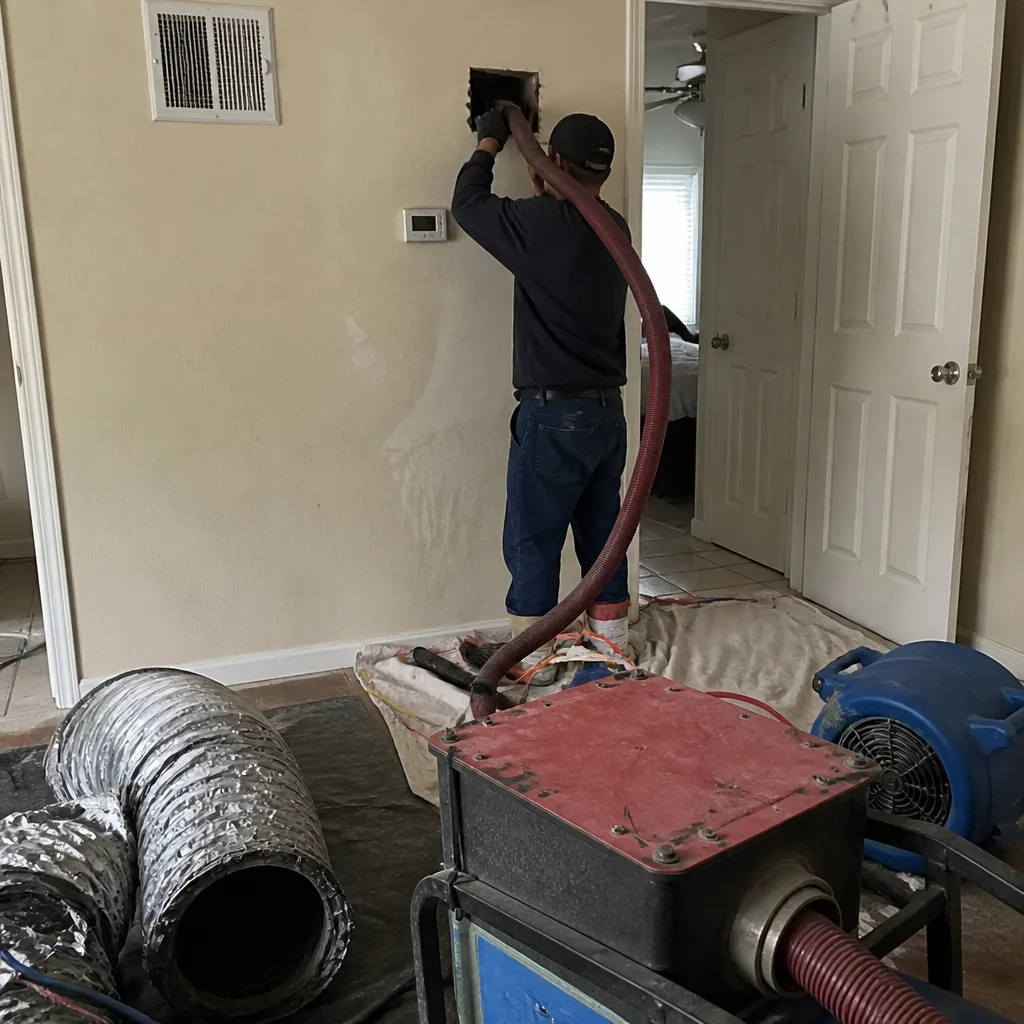 Before
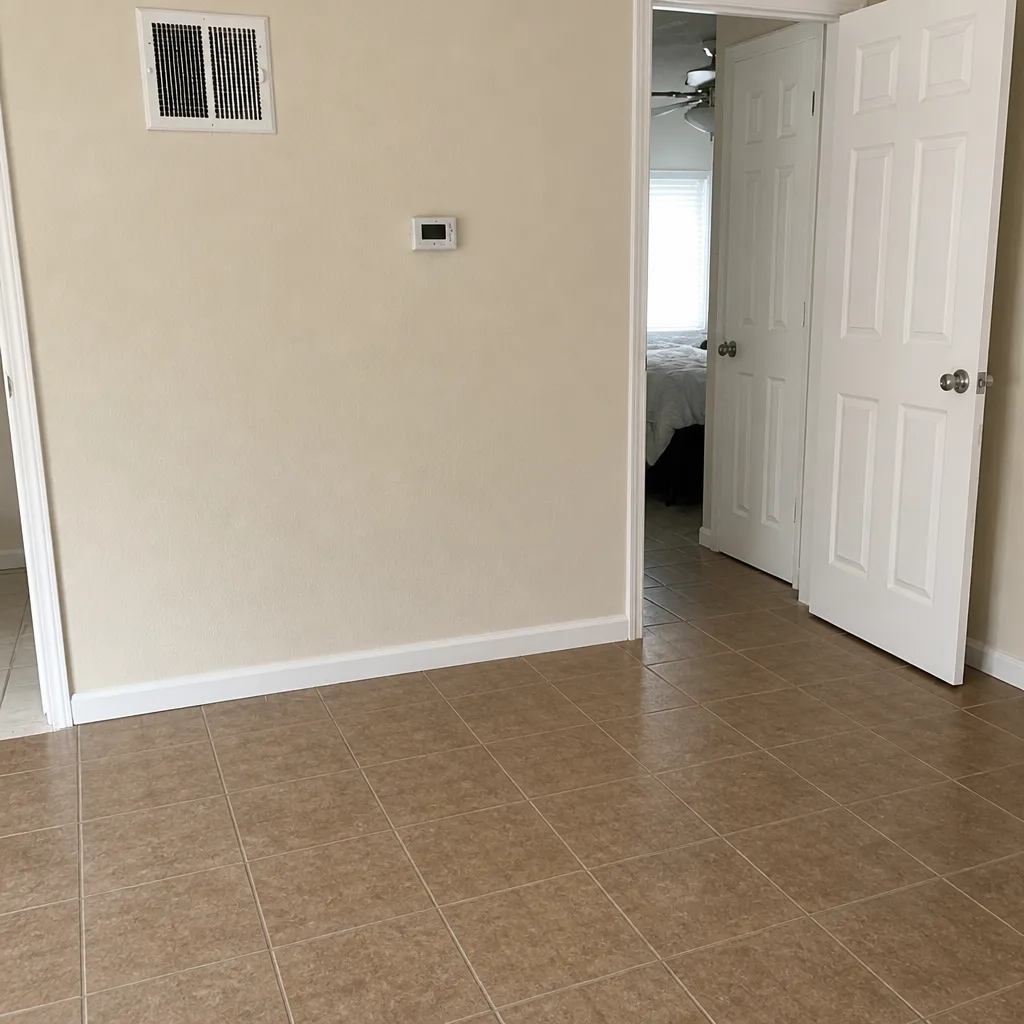 After
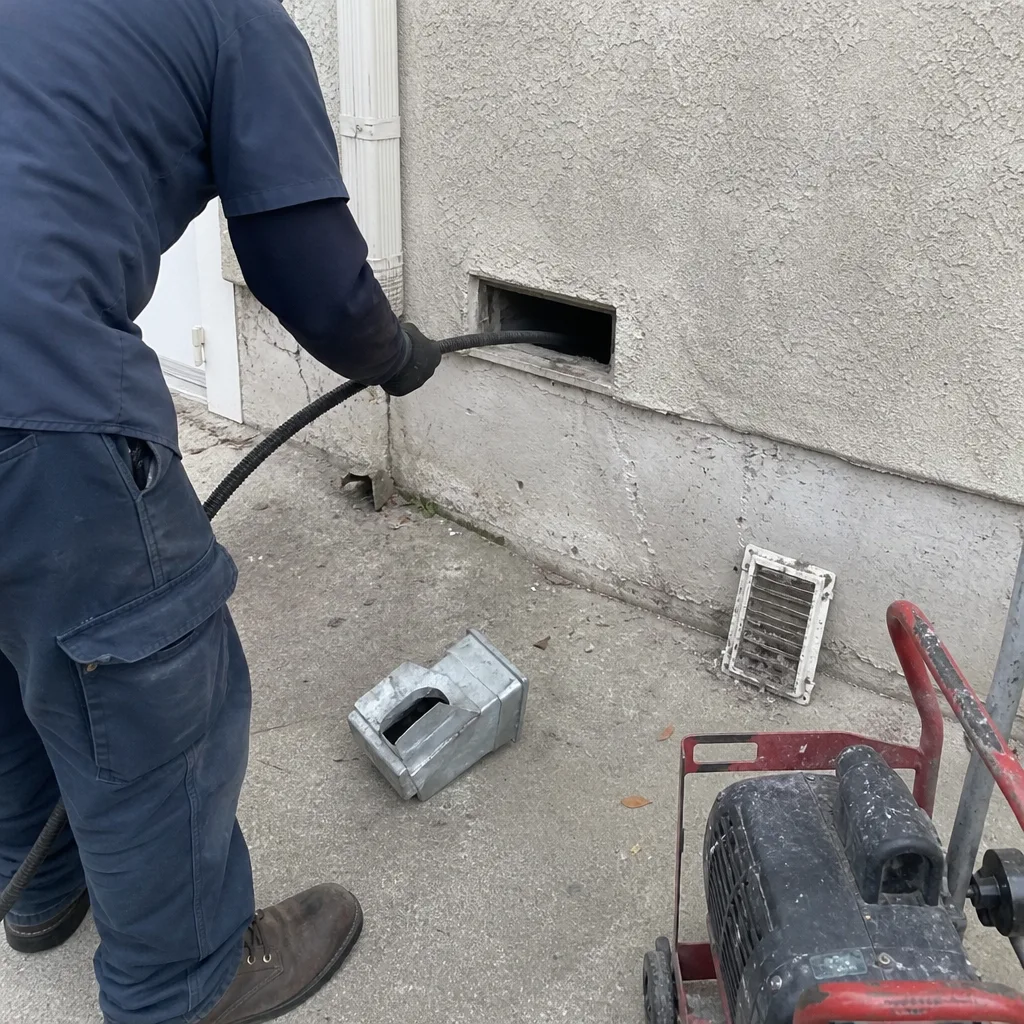 Before
 After
 Before
 After
When to Call a Professional
Call a professional after any significant smoke event if the ducts are older than the current filter system, if there’s any visible residue at the registers, or if a smoke odor lingers more than a couple of weeks after the outdoor air clears. Also call if you’ve never had the ducts inspected and you’re moving into a new home in Anaheim Colony – a baseline inspection plus a sealing assessment gives you a much better starting point for next fire season. If your home has anyone with asthma or allergies, don’t wait for symptoms to prompt a call; the inspection is the cheap part of the equation. Air Duct Cleaning Anaheim Colony offers free estimates in Anaheim Colony – call (844) 625-7366. We answer 24/7. Fast dispatch from 7am to 7pm, Sunday through Friday.
Frequently Asked Questions
Post-event remediation in Anaheim Colony typically runs higher than routine maintenance cleaning because the scope includes a camera inspection, deeper agitation and extraction, and often sanitizing. We don’t quote a price without inspecting the system first, because the difference between a maintenance clean and a remediation clean is what the camera finds. The written estimate you receive before work starts is the price we hold. Call (844) 625-7366 for an exact quote – estimates are free.
Only if the ducts are leaky or your filter is a basic fiberglass panel. If the system has been sealed and has a proper filter, running on recirculation with the fresh air intake closed filters indoor air and is generally safer than leaving the system off. If you don’t know which situation you’re in, treating the system as leaky is the conservative call until it can be inspected.
Camera inspection is the only reliable method. Visible dust at the register and lingering odor are signals, but the particles that matter most are not visible to the eye. A before-and-after camera run through the main trunks tells you whether the duct surface is dusty or has adhered deposits from a smoke event.
No. A purifier handles the air in the room it’s running in. It doesn’t remove particles that have settled into duct liner, and it doesn’t stop the HVAC system from re-suspending them each time the blower cycles. The two work together – purifier for room air during an event, duct service for the system itself afterward.
Cheap quotes usually skip the camera inspection, use consumer-grade extraction instead of professional equipment like Rotobrush or Nikro, and offer no before-and-after documentation. The price is lower because the scope is smaller – often just a surface sweep of the accessible ducts. For a post-event remediation clean, that’s not the work that needs to happen.
Routine cleaning every few years is typical for most homes, but in areas with annual smoke exposure, the more useful schedule is event-driven: inspect after any major smoke event and clean or remediate based on what the camera shows. A pre-season inspection before fire season is also worth doing. Call (844) 625-7366 for a free estimate on the inspection.
The Bottom Line
Duct preparedness in Anaheim Colony is a before-the-event job, not a during-the-event job. Seal the returns, install the right filter, and write down your HVAC shut-off criteria before fire season. During an event, run recirculation if the system is sealed, otherwise shut it off and rely on a standalone purifier. After the event, get a camera inspection before you assume a routine clean will do it – and request before-and-after photos and a written scope of work so you know what was actually done. That’s the sequence that protects the home, and it’s the one most homeowners never get around to planning. For a baseline inspection or a pre-season sealing visit, Air Duct Cleaning Anaheim Colony offers free estimates in Anaheim Colony – call (844) 625-7366. We answer 24/7. Fast dispatch from 7am to 7pm, Sunday through Friday. Visit Air Duct Cleaning Anaheim Colony to see the full service menu, from duct repair and sealing through post-event sanitizing and air quality upgrades.
Written by the team at Air Duct Cleaning Anaheim Colony.