
Last updated November 25, 2026
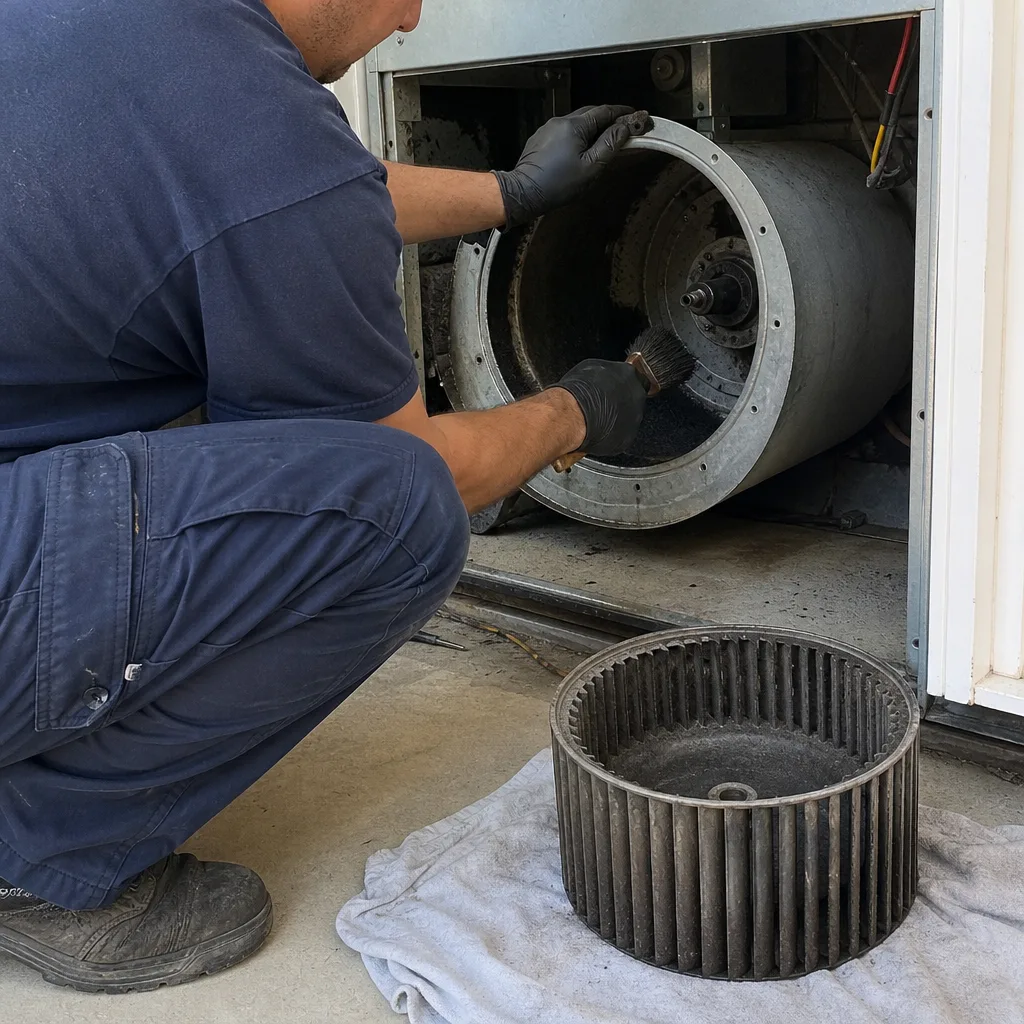
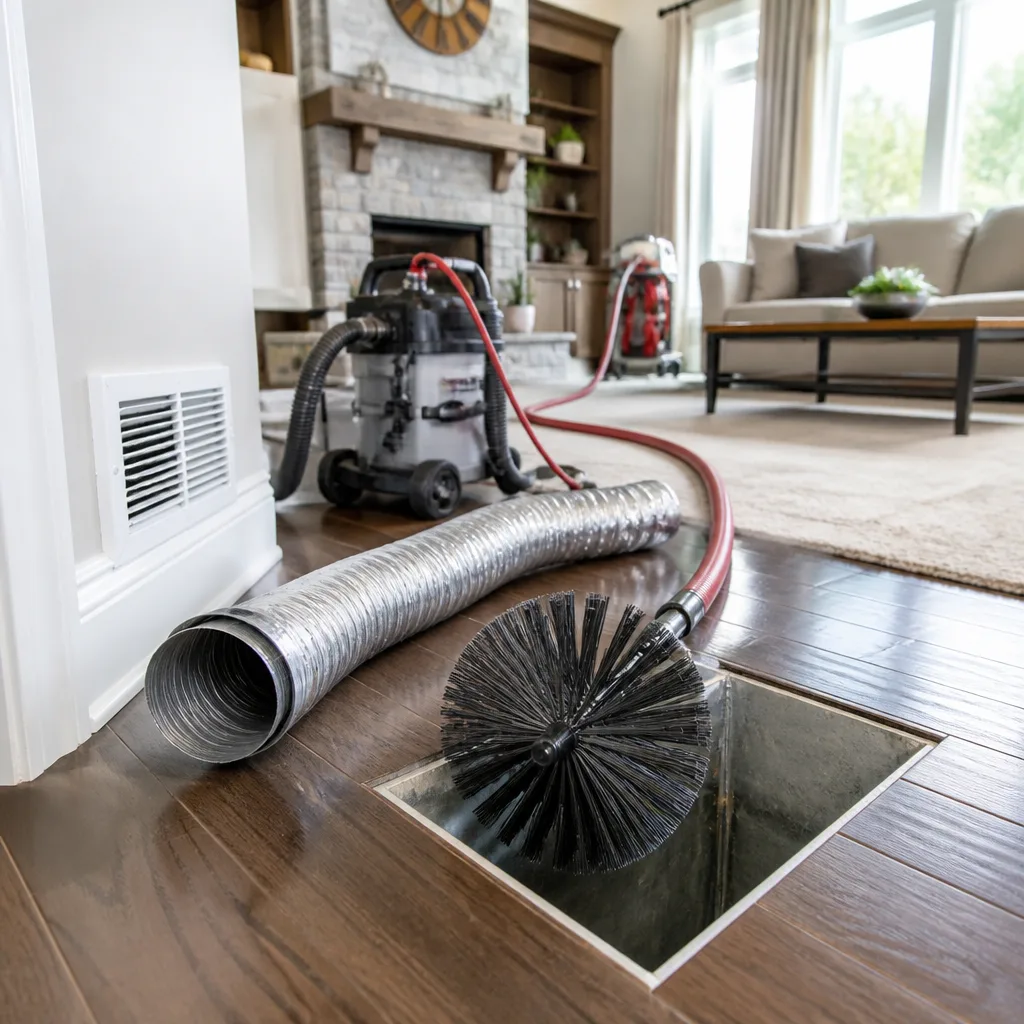 Whole-home duct cleaning
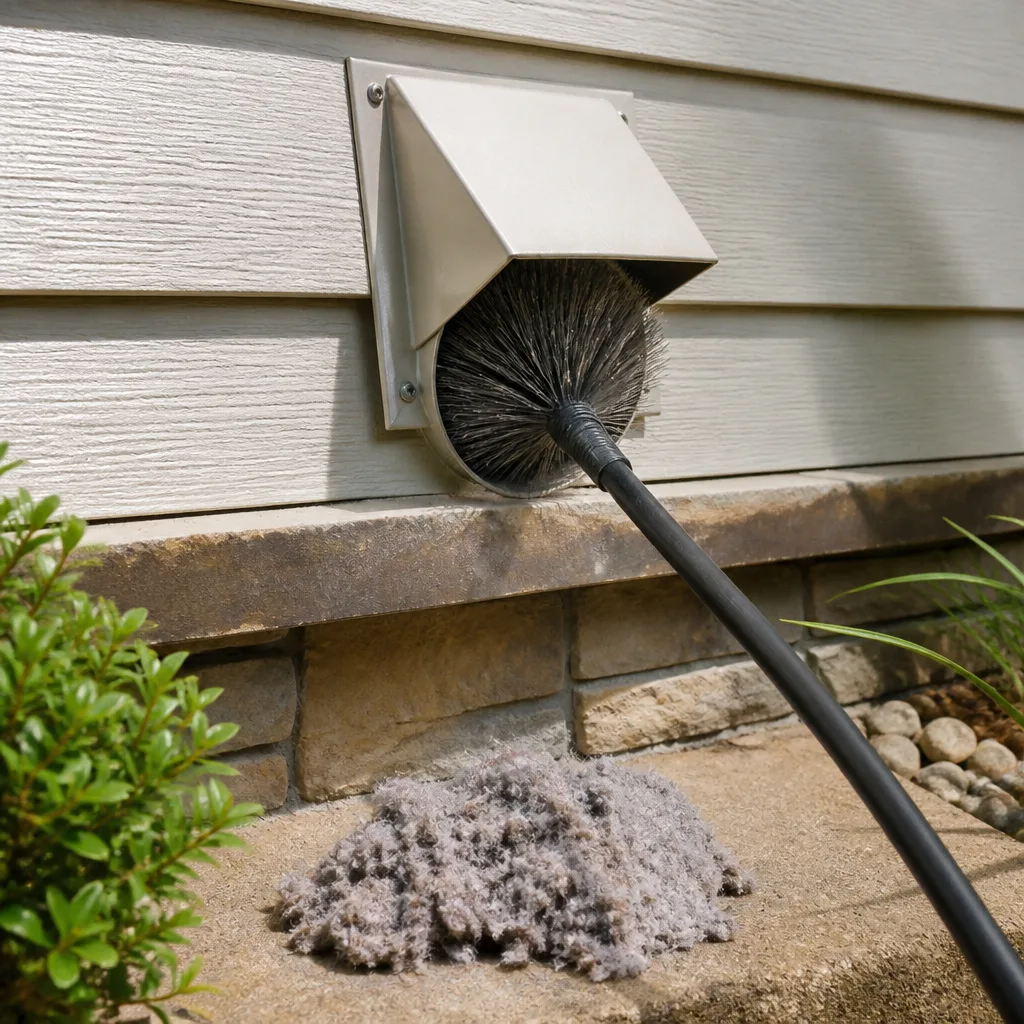 Dryer vent cleaning
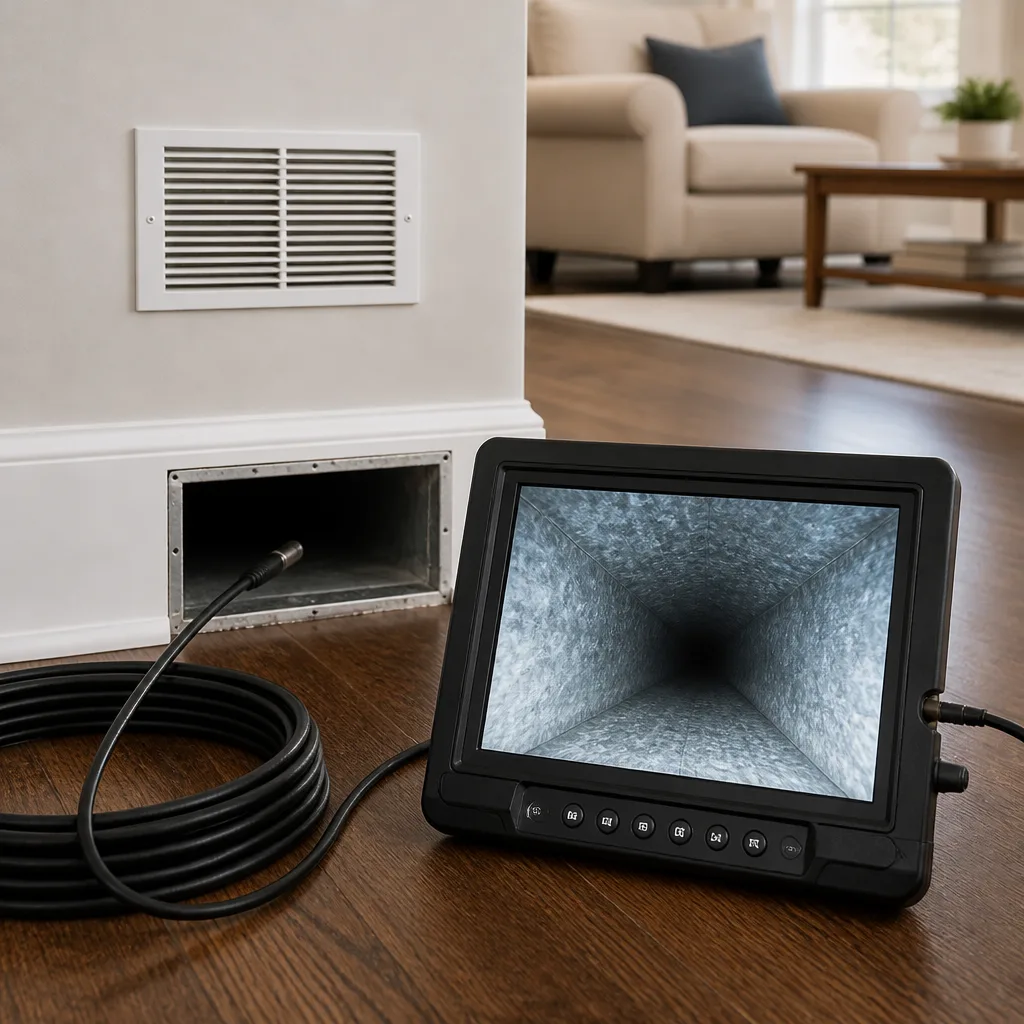 Camera inspection
 Sanitizing & deodorizing
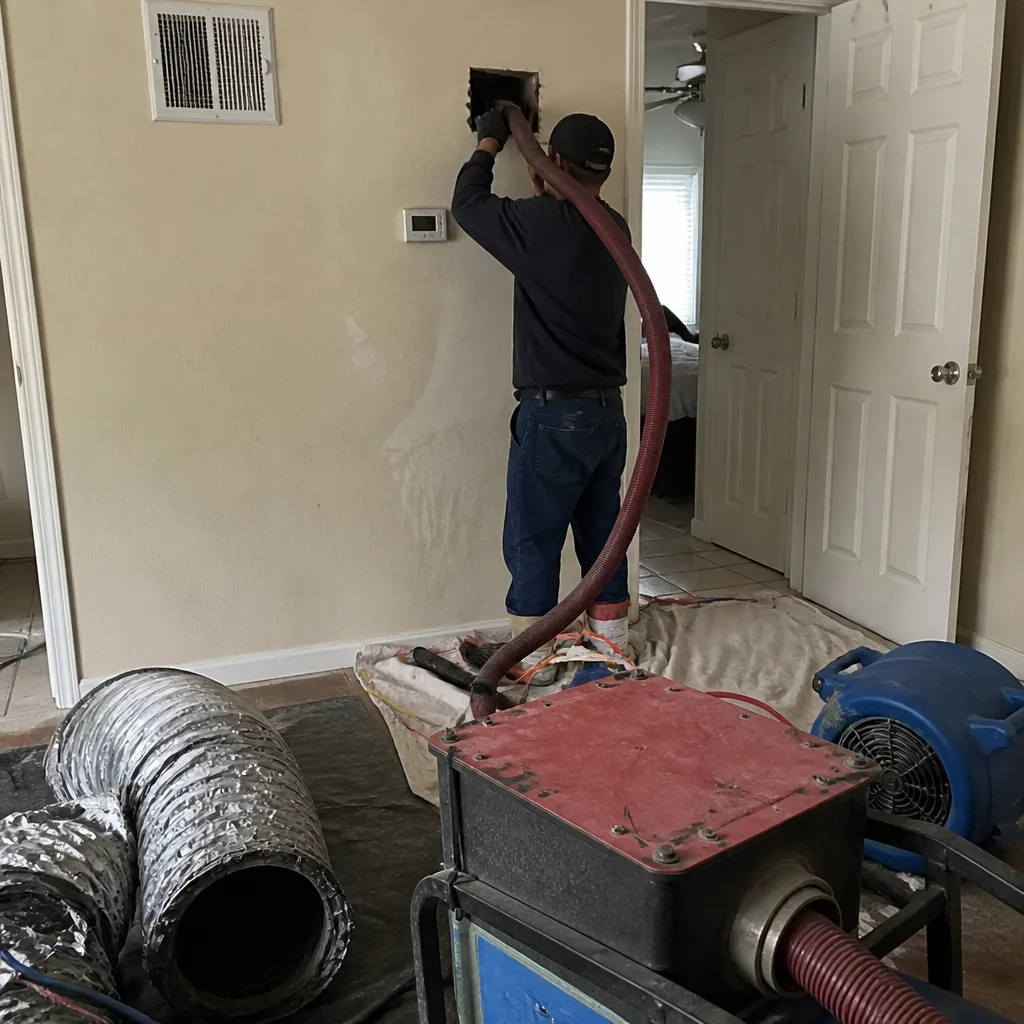
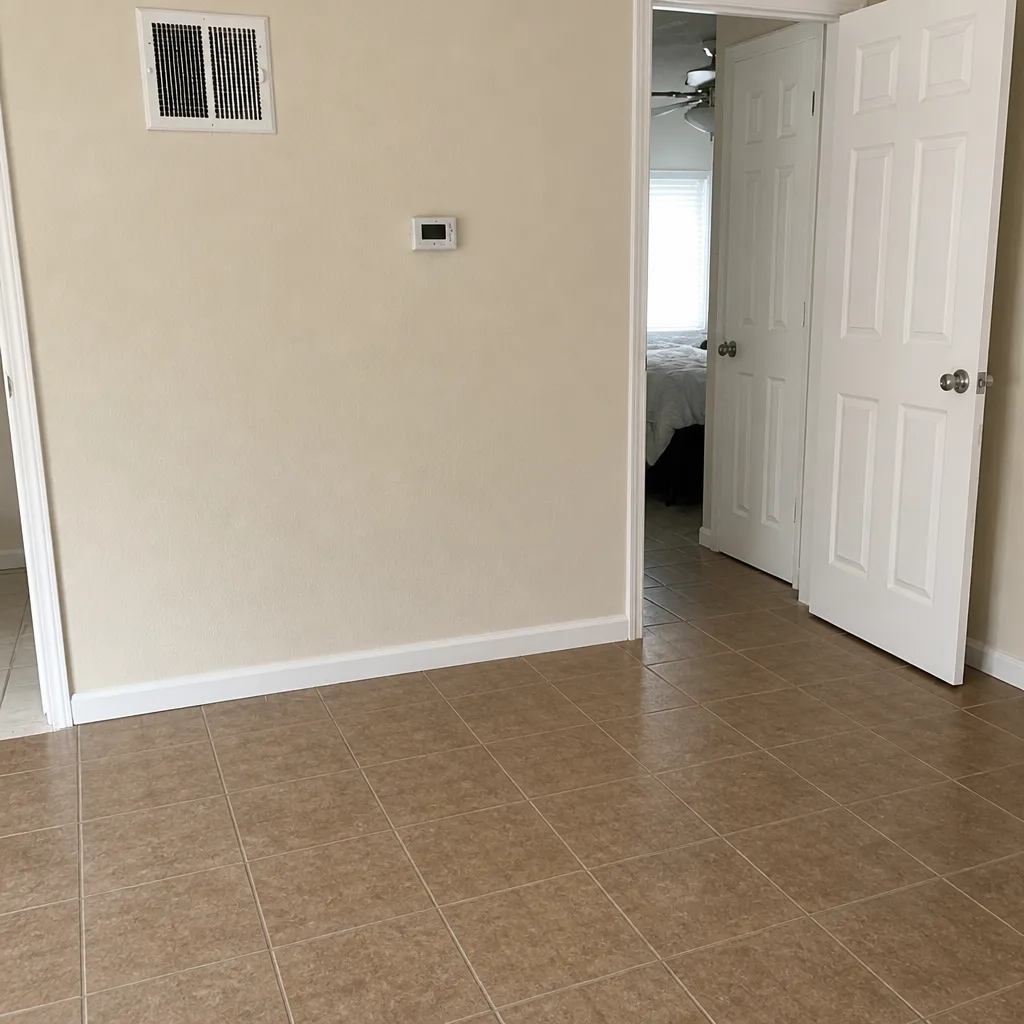
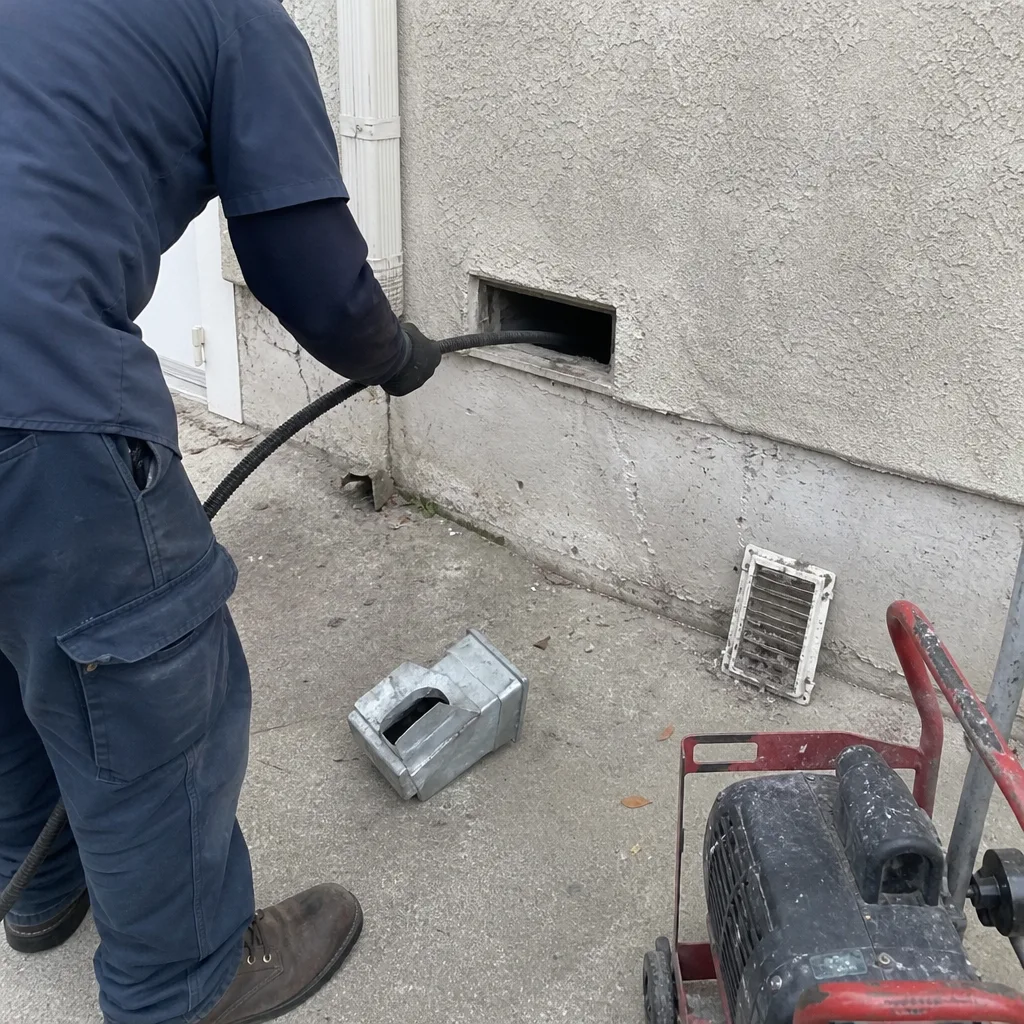
Whole-system duct and dryer vent check with before-and-after photos - you see exactly what came out of your vents
That "$99 whole-house special" is a bait ad - the real number appears once they are in your hallway, or the "clean" is a shop-vac at the register. We photograph the inside of your ducts before and after instead.
Air Duct Cleaning Maintenance Checklist for Anaheim Colony Homeowners
Most homeowners treat duct cleaning as a calendar item: every three to five years, whether the system needs it or not. That interval comes from NADCA guidance written for average conditions, and average conditions are not what most Anaheim Colony homes actually run. A house with two heavy-shedding dogs, a smoker, or a kitchen remodel that just finished drywall work can load a duct system to that threshold in well under eighteen months. So the checklist in this guide isn’t a reminder to book a service. It’s a log you keep, month by month, so you can see the rate at which your own system collects debris and clean on evidence instead of guesswork.
Quick Answer
A workable duct maintenance checklist for an Anaheim Colony home has three layers: monthly visual checks at registers, return grilles, and the filter slot; quarterly tracking of filter weight, filter color, and utility-bill drift as proxies for how much debris the ducts are carrying; and event-triggered inspections after wildfires, Santa Ana wind events, renovation dust, or a new pet. Log all of it on one annual sheet and you’ll know when to clean, not just whether to clean.
Styles & brands we work with
- Whole-home duct cleaning
- Dryer vent cleaning
- Camera inspection
- Sanitizing & deodorizing
Table of Contents
- The Monthly Walk-Through: What to Check Without Opening the System
- The Quarterly Indicators That Signal Accelerated Accumulation
- The Filter Weight and Color Log: A Proxy for Duct Load
- Event-Triggered Checkpoints: Wildfire, Wind, Renovation, and Pets
- The Annual Record Sheet That Gives Any Contractor a Baseline
- Why Anaheim Colony’s Dry, Particulate-Heavy Air Changes the Interval
- What to Do When the Checklist Points to Leaks, Not Just Debris
The Monthly Walk-Through: What to Check Without Opening the System
You don’t need to open a duct, remove a boot, or reach past a register to catch most of what matters. The monthly walk-through takes about ten minutes and happens entirely from the floor. Do it on the same day each month so the readings are comparable, and keep your notes brief. You’re looking for change, not perfection.
Start at your supply registers, the ones that blow air into the rooms. Hold a white paper towel just outside the grille while the system runs for a minute or two, then look at it. A faint gray haze is normal. A visible striping pattern or a mat of dark fibers means the supply run behind that register is shedding debris into the room, and that’s worth flagging in your log. Now look at the louvers themselves from a foot away, with the system off. Dust on the face of the louver is house dust settling; debris caught between the louvers is coming up from the duct.
Move to your return grilles. These are the large intake openings, usually one per floor and often near the thermostat or in a hallway ceiling. Returns carry far more air than supplies and collect far more debris. Look at the grille face and at the visible throat of the return behind it. A gray film on the throat that darkens between checks is a strong signal of ongoing load.
Finally, the filter slot. Check the filter without pulling it out first. Look at the edge facing the return air: if the outer inch is dark and the center is still light, the filter is loading unevenly, which often means air is bypassing the frame instead of passing through the media. Note the condition in your log. More on filter tracking below.
Write down three things each month: the date, which registers looked worse than last month, and whether the filter was dark, light, or in between. That’s the whole monthly entry. In our experience, this small routine catches a stalled system sooner than a homeowner waiting for a utility bill to spike. If you’d rather hand the inspection to a specialist, our air duct cleaning visits include a full register-to-air-handler survey, but the monthly habit is yours to keep either way.
The Quarterly Indicators That Signal Accelerated Accumulation
Monthly checks catch change at a register. Quarterly checks catch change across the whole system. These are the signals that matter most, and each one tells you something specific.
- Pet dander rings around vents. A dark ring or halo on the ceiling or wall paint around a supply register is dander and fine particulate depositing at the airstream edge. One ring is cosmetic. Rings appearing at several registers in the same quarter means the ducts are carrying more animal particulate than the filtration is removing.
- Visible debris on supply louvers. Dust you can see on the louver blades themselves, especially a sandy or fibrous texture, is direct evidence of what’s moving through the branch run behind it.
- Rising utility bills with unchanged habits. A clogged filter, a fouled evaporator coil, or debris-coated duct surfaces all restrict airflow and push the system to run longer. Compare this quarter’s bill to the same quarter last year, not to last month, so seasonal weather doesn’t confuse the picture. Rising usage on the same routine is a real signal.
- Uneven room-to-room comfort. If one bedroom takes noticeably longer to reach temperature than it did a year ago, the branch serving it may be partially restricted, or a joint may have opened.
- New odors when the fan starts. A musty note in the first minute after the system kicks on suggests microbial growth or trapped moisture somewhere in the run, which cleaning alone may not solve.
- Visibly dusty surfaces within days of cleaning. If you dust a room and it’s dusty again within two or three days, the air handler is redistributing debris that’s resting in the ducts.
Two or more of these in the same quarter is your cue to schedule a professional assessment rather than waiting for a calendar date. One indicator alone is not a verdict; it’s a note in the log. The point of tracking quarterly is to see whether the signal persists or clears once conditions change.
The Filter Weight and Color Log: A Proxy for Duct Load
Here’s a method HVAC technicians use that most homeowners never hear about. Your filter is the only component in the system that sees all of the return air, which makes it the best cheap sensor you have. If you track it properly, it tells you how hard your ducts are working.
The color half is easy. Every time you change or check the filter, hold it against a white sheet of paper in daylight and note how far the gray has crept in from the edge. Photograph it next to a coin or a ruler for scale. Standard filters load from the edges inward and go from white to light gray to a darker gray as they collect. The shade itself isn’t the useful part; the rate at which it darkens is. A filter that goes from white to mid-gray in four weeks means the return is pulling heavy particulate, and the ducts downstream are meeting the same air.
The weight half is where it gets interesting. Weigh a new filter of the exact make and model on a kitchen scale before you install it, and write the number on the frame in marker. When you pull it out, weigh it again before you throw it away. The difference, in grams, is the mass of debris that filter captured over that period. Do it two or three times and you’ll have a personal baseline. If the same filter in the same home is gaining significantly more weight per month than it did last year, something has changed: a new pet, a renovation, more open windows during a windy stretch, or a duct joint that’s pulling from an unconditioned space.
This is where the better filter box matters. Filter housings fitted with products from brands like Aprilaire or Honeywell are designed to seal properly around the media, so the weight reading reflects what actually passed through the filter rather than what bypassed it around the edges. If your filter slot is loose or unsealed, your weight log understates duct load, which is worse than no log at all.
Keep the used filter for one day if you like, weigh it, and record the date, model number, weight delta, and shade in your annual sheet. Over two years you’ll have a curve, and that curve is what tells you whether your cleaning interval is three years or eighteen months.
Event-Triggered Checkpoints: Wildfire, Wind, Renovation, and Pets
Calendar intervals miss the events that actually load a duct system fastest. In Anaheim Colony, the event triggers are specific enough to name, and each one deserves its own entry in your log.
- After a wildfire event or a heavy smoke day. Fine ash and combustion particulate are small enough to pass a standard filter and settle throughout the supply runs. Within a week, recheck your register paper-towel test and your filter color. If the filter has darkened sharply since the smoke event, note it and inspect the return throat. Products built around HEPA-level containment, like those from Abatement Technologies, are what a professional brings on-site to keep disturbed debris from re-entering the home during cleaning, and there are times when an added filtration step is worth discussing.
- After a Santa Ana wind event. The dry, gusty offshore winds that move through the region push particulate through every open window and door gasket. Two to three days after the wind dies, walk the registers and note anything new. If your home has any gaps at the return plenum, this is when they’ll show up as obvious dust streaking.
- After renovation, sanding, drywall, or painting. This is the single fastest way to load a residential duct system. Cover registers before demo, but assume some dust got in anyway. Log the dates of the work, then recheck registers and filter weight within two weeks of completion. If the system ran during sanding, note that too, because the air handler will have pulled fine gypsum dust through the coil and into the ducts.
- When a new pet joins the home. Start a fresh dander check at all registers on the same day the pet arrives, then recheck monthly for the first six months. That gives you a personal rate of accumulation rather than a guess based on the pet’s coat type.
- After any flooding, roof leak, or moisture intrusion. Water in a duct system is a microbial issue, not a dust issue. Inspect returns and any low-lying runs immediately, and note whether you can smell anything musty. If you can, it’s time for a professional sanitizing assessment using something like Guardsman-grade protocols rather than a standard cleaning pass.
Each of these events gets a single dated line in your log. You’re not trying to solve anything at the moment it happens; you’re capturing the trigger so the pattern is visible later.
The Annual Record Sheet That Gives Any Contractor a Baseline
This is the piece most homeowners skip, and it’s the one that pays off the most on the first professional visit. A one-page annual sheet, kept alongside your HVAC service records, gives any contractor a data baseline before they’ve opened a single access panel. Here’s what to put on it.
- System basics. Make and model of the air handler, the number of supply and return registers, the approximate age of the system, and the square footage of the home.
- Filter log. Filter make and model, MERV rating, install date, removal date, weight delta in grams, and shade (white, light gray, mid gray, dark).
- Monthly register notes. A simple table: check date, register location, and a one-word rating (clean, light, moderate, heavy) for each.
- Quarterly signals. Tick boxes for each of the six quarterly indicators, plus the utility-bill comparison for the same quarter last year.
- Event dates. Wildfire events, wind days, renovation start and end, pet arrival dates, water intrusion, and the date each was logged.
- Prior cleaning records. Date of last professional cleaning, who performed it, what equipment was used, and before-and-after documentation if it exists.
When a technician arrives with a log like this, the inspection moves faster and the recommendations get more specific. Our own technicians have up to 9 years of experience walking Anaheim Colony homes, and the first question they’ll ask is what the system has been seeing, because the answers shape the job. If you haven’t kept records yet, start the sheet today and fill in what you can remember; even a rough year-one sheet is more useful than a clean slate.
Why Anaheim Colony’s Dry, Particulate-Heavy Air Changes the Interval
NADCA’s three-to-five-year recommendation was written for average conditions, and Anaheim Colony is not average. The regional climate is dry for long stretches, with dust and fine particulate in the air for much of the year, punctuated by Santa Ana wind events that drive even more of it indoors. That closes the window on a standard cleaning interval. A home here with pets, a smoker, or recent renovation work can hit the upper end of that NADCA recommendation in eighteen months or less. Three or four years is the ceiling, not the target.
The dry climate also changes what the debris does once it’s inside. In more humid regions, dust in a duct tends to clump and stick to surfaces, which makes it visible on a camera inspection. In dry air, fine particulate stays loose and moves easily from return to supply, so it can turn up on your registers and filter for a long time before it settles anywhere a camera can see. That’s why the filter weight log matters more here than it does in a wetter climate: it’s measuring what the system carried, not what’s stuck to the walls.
Anaheim Colony’s housing stock adds its own wrinkle. Many homes in the neighborhood have envelope and HVAC configurations that aren’t identical across the block, so two houses with the same square footage can have wildly different duct layouts and return sizes. A log built for your specific house, on your specific system, is the only reliable baseline. Comparisons to a neighbor’s cleaning schedule are interesting at best.
The good news is that the corrected interval is not aggressive. What it changes is when you start looking, not how often you actually clean. A home with a well-sealed duct system, a properly fitted high-MERV filter, and no smoking or heavy-shedding pets may stay comfortably in the four-to-five-year range even here. The log tells you which house you have.
What to Do When the Checklist Points to Leaks, Not Just Debris
Some of the quarterly signals on this checklist point to debris. Others point to leaks. Distinguishing the two matters, because a cleaning alone won’t fix a leaky duct. Air that’s escaping through a joint into a wall cavity or attic bypasses the filter for part of the run, so the filter log under-reports the load while the supply registers still show debris arriving from the uncovered return. Rising utility bills with a clean filter and a stable filter-weight log are a strong hint that the system is losing conditioned air, not collecting more dust.
When the log shows that pattern, the next step is a leak assessment, not another cleaning pass. Sealing the joints and reseating the register boots keeps a cleaned system clean and keeps the conditioned air where it belongs, and it changes the read on every subsequent filter weight entry. Air Duct Cleaning Anaheim Colony handles duct repair and sealing alongside cleaning so that a single visit can turn a diagnostic finding into a fix, which is different from what a cleaning-only provider can do. From the register to the air handler, our HVAC cleaning visits also include a look at the coil and drain pan, because a fouled coil is another common cause of the airflow restriction that shows up in the log as unexplained bill creep.
The dryer side of the checklist is worth a quiet mention here too. Dryer vent cleaning is part of the same air-safety picture in the home, and the NFPA links clogged dryer vents directly to dryer-related home fires, so the duct maintenance log is a good moment to add the vent to your seasonal checks. Our dryer vent cleaning page covers what a proper vent inspection looks for.
Common Mistakes to Avoid
- Cleaning on a calendar instead of a log. Booking service every three years regardless of what your own filter and register data say leads to either premature cleanings or overdue ones. Let the log set the interval.
- Replacing filters without checking the frame. A filter that doesn’t seal around its edge lets air bypass the media entirely. If you can see daylight around the frame edge, the filter isn’t doing its job and your duct load reading is wrong.
- Running the air handler during a renovation. Sanding dust and drywall particulate pulled through the system will settle through every supply run and may foul the coil. Shut the system down during heavy dust phases, and log the event so a professional knows what they’re looking at later.
- Treating a dander ring as a paint problem. Clearing the ceiling around a register with a damp cloth doesn’t clean the duct behind it. Rings returning within a quarter mean the source is still running.
- Assuming a musty smell is house-wide and unsolvable. A musty note that only appears when the fan starts is a specific local signal. Cleaning without a sanitizing step may not resolve it, and a sanitizing step without identifying the moisture source may not either. Address both.
- Relying on the neighbor’s cleaning schedule. Two Anaheim Colony homes of similar size can have very different duct layouts, return configurations, and filtration equipment. Your own log is the only baseline that transfers.
- Accepting a cleaning without addressing leaks. A cleaned system with an open duct joint re-contaminates itself as the air handler continues pulling unfiltered air from the cavity. If the log suggests a leak, plan for repair and sealing, not just a sweep.
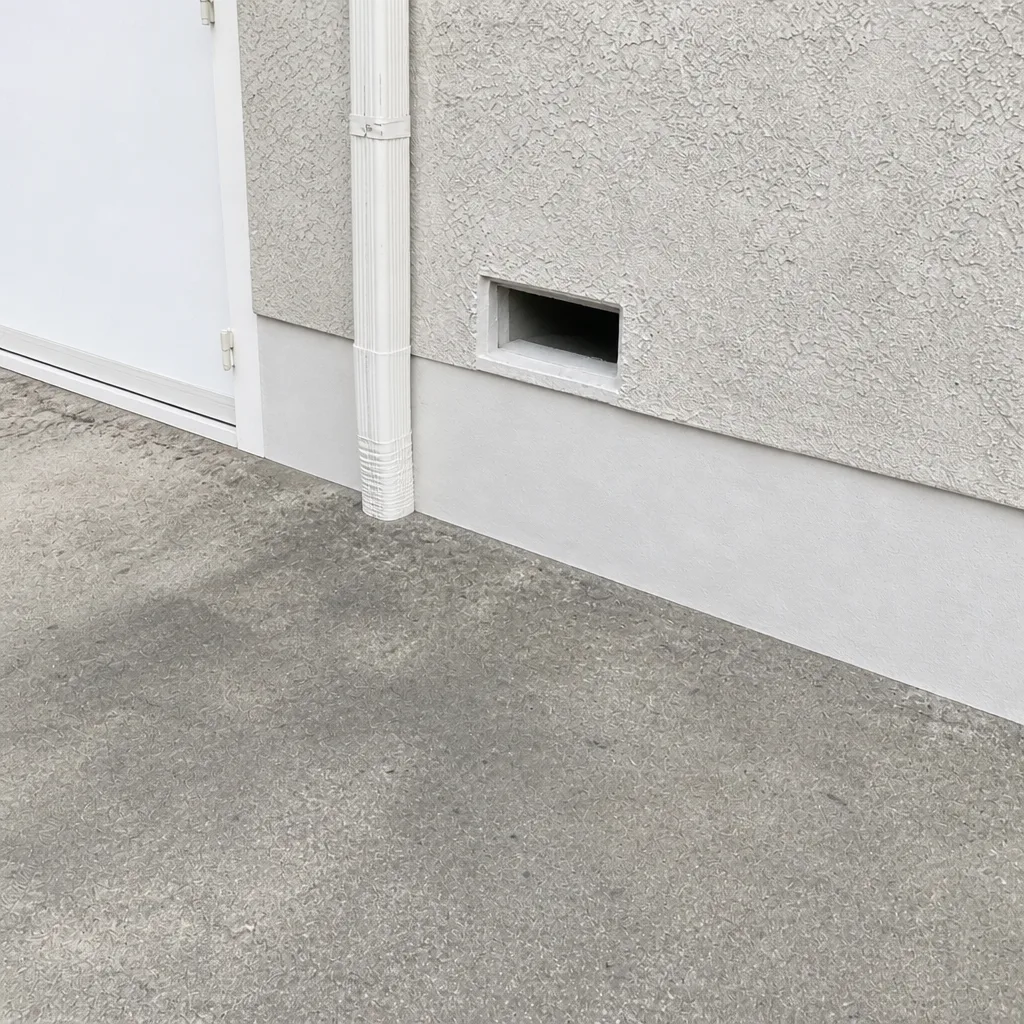
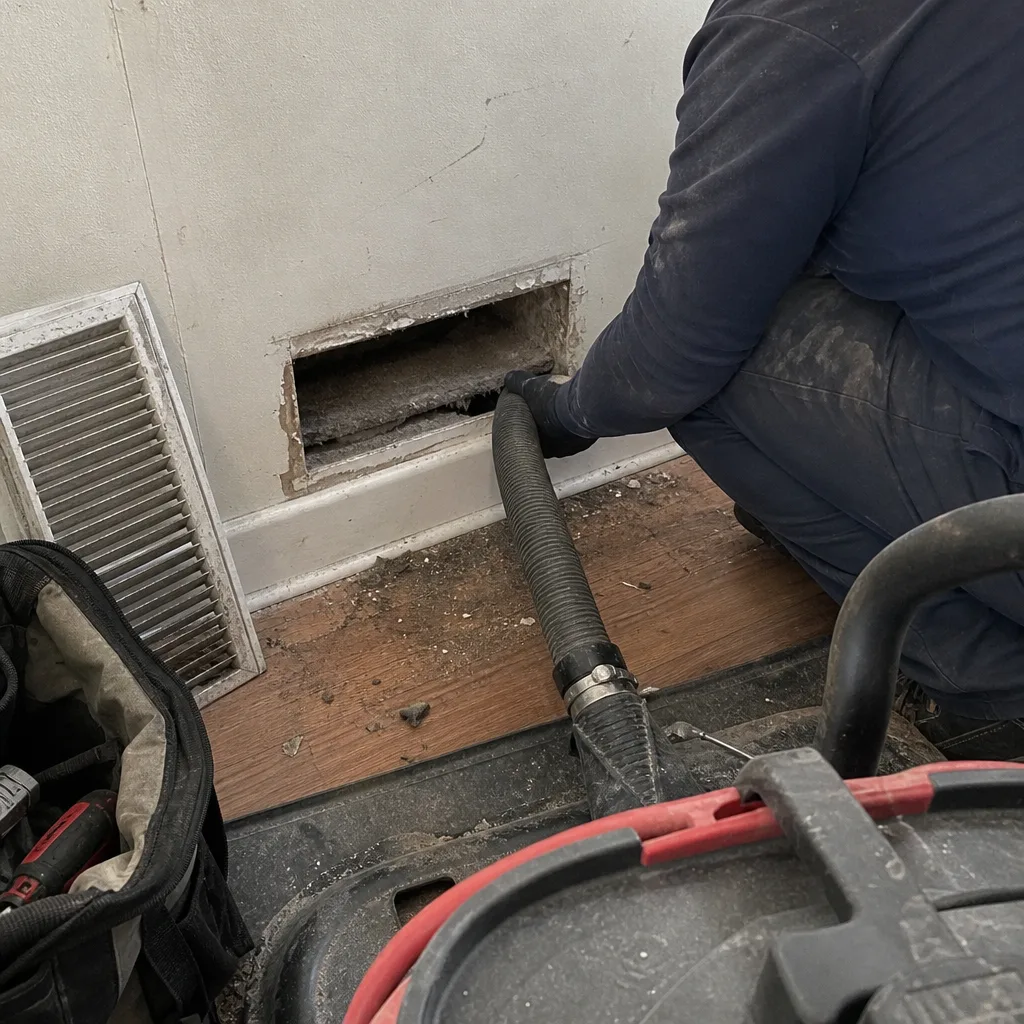
See the difference
 Before
 After
 Before
 After
 Before
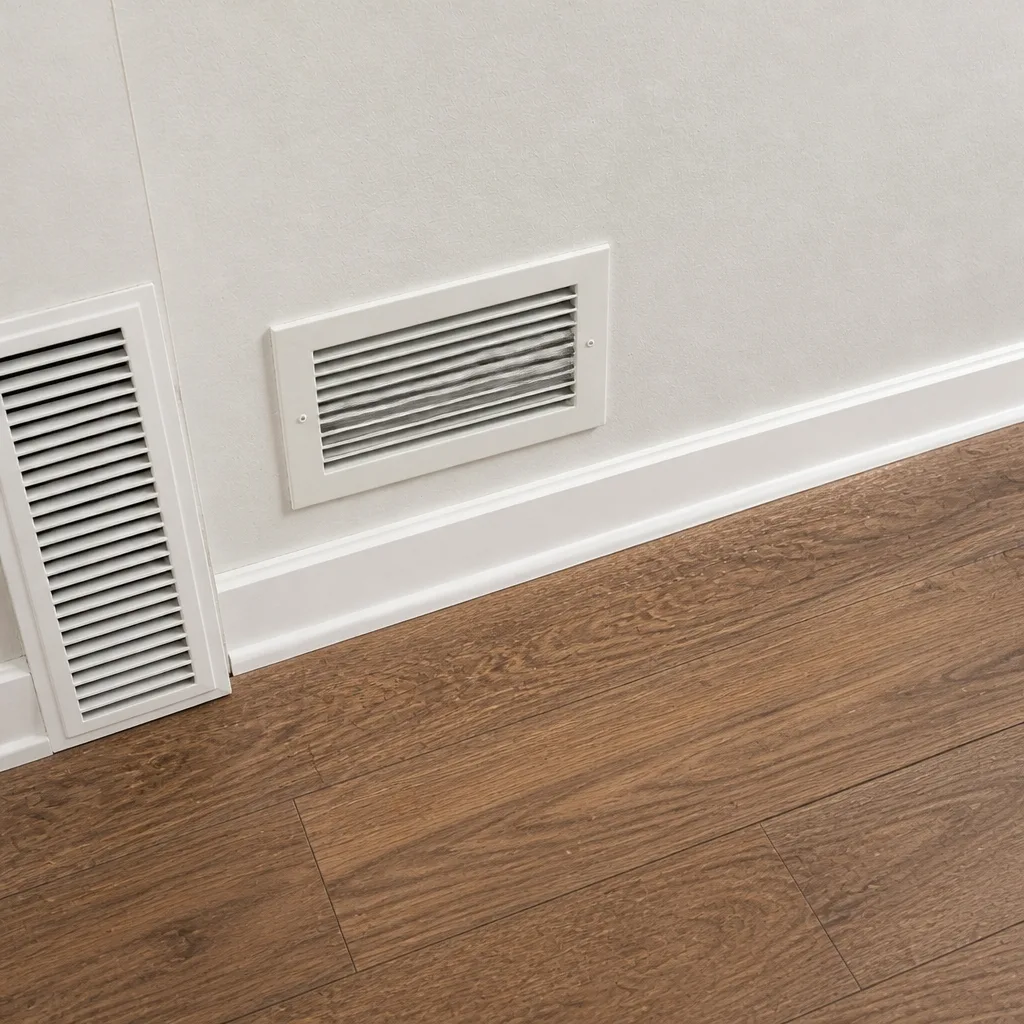 After
When to Call a Professional
Most of this checklist you can run yourself. A handful of situations should go to a professional quickly. Any musty odor that persists more than a week, any visible debris or standing water inside the return throat or at an access panel, any rise in utility bills that persists after a clean filter and a clear filter-weight log, and any indicator that a duct joint has opened or a plenum is unsealed. After a wildfire event or a renovation that ran the system for days, a professional inspection is worth scheduling on the log alone. Air Duct Cleaning Anaheim Colony offers free estimates in Anaheim Colony. Call (844) 625-7366. We answer 24/7. Fast dispatch from 7am to 7pm, Sunday through Friday.
Frequently Asked Questions
Three to five years is the NADCA baseline for average conditions, but homes in Anaheim Colony with pets, smokers, or recent renovation work often hit the threshold in under eighteen months because of the dry, particulate-heavy local air. The right interval for your home is what your own log shows, so track filter weight and register condition for the first year and let that set the schedule. Call (844) 625-7366 for an exact quote based on your system – the estimate is free.
Start with the supply registers using the white paper-towel test while the system is running. A faint gray haze on the towel is normal; a striping pattern or a mat of dark fibers means a branch run is shedding debris into the room. Then glance at the return throat and the filter edge and write a single line in your log.
Two or more quarterly indicators appearing together in the same period is the usual trigger: dander rings at registers, visible debris on louvers, rising utility bills on the same habits, uneven room comfort, or a musty note at fan start. One indicator alone is just a note. Two together is your cue to call a specialist.
The filter is the best cheap sensor you own because it sees all the return air before the ducts do. Weighing a clean filter and weighing it again at removal, then logging the gram difference, gives you a personal baseline for how much debris your system carries per month. It’s a proxy, not a clean-now signal, but a rising weight curve over two years is a reliable interval-setter.
The dry climate means fine particulate stays loose and mobile in the ducts rather than clumping against surfaces, so a visual camera inspection can under-report what’s actually moving through the system. The filter weight log is the more reliable measure here. Homes with well-sealed systems and proper filtration can stay comfortably in the four-to-five-year range even in this climate.
Costs depend on the number of registers, system size, and whether repair or sealing is included, so the honest answer is a written estimate per system, not a per-vent teaser price. A quote that comes in much lower than others usually reflects gaps: fewer access points, a shop-vac setup instead of negative-pressure extraction, or cleaning without addressing leaks. Call (844) 625-7366 for an exact quote – estimates are free.
The Bottom Line
The best duct maintenance checklist for an Anaheim Colony home is the one you actually keep. Monthly register checks, quarterly signal tracking, a filter weight and color log, event triggers for wildfire, wind, renovation, and pets, and a single annual record sheet that carries all of it. That record turns a general recommendation into a specific interval for your specific house, and it gives any technician a running baseline on the first visit. Clean ducts start with the right data, and professional-grade equipment from brands like Rotobrush and Nikro does the rest. Breathe the difference.
Call (844) 625-7366 for a free estimate. We answer 24/7. Fast dispatch from 7am to 7pm, Sunday through Friday. You can also explore our full range of air-quality services at Air Duct Cleaning Anaheim Colony.
Written by the team at Air Duct Cleaning Anaheim Colony.